In this collection of almost sixty tales, Indians themselves—Cherokees, Chickasaws, Choctaws, Creeks, Seminoles, and others—tell us about their beliefs, their traditions, and their history, in myths and legends that cover the classic themes of world mythology. Most of the stories were recorded in the late nineteenth century, at a time when Indian myth-keepers who remembered the tribal tales were still alive. Notes and introductory comments throughout the book provide background information for the stories. Editors Virginia Pounds Brown and Laurella Owens bring these stories together for the first time in one volume. This collection makes enjoyable and significant reading for adults as well as young people.
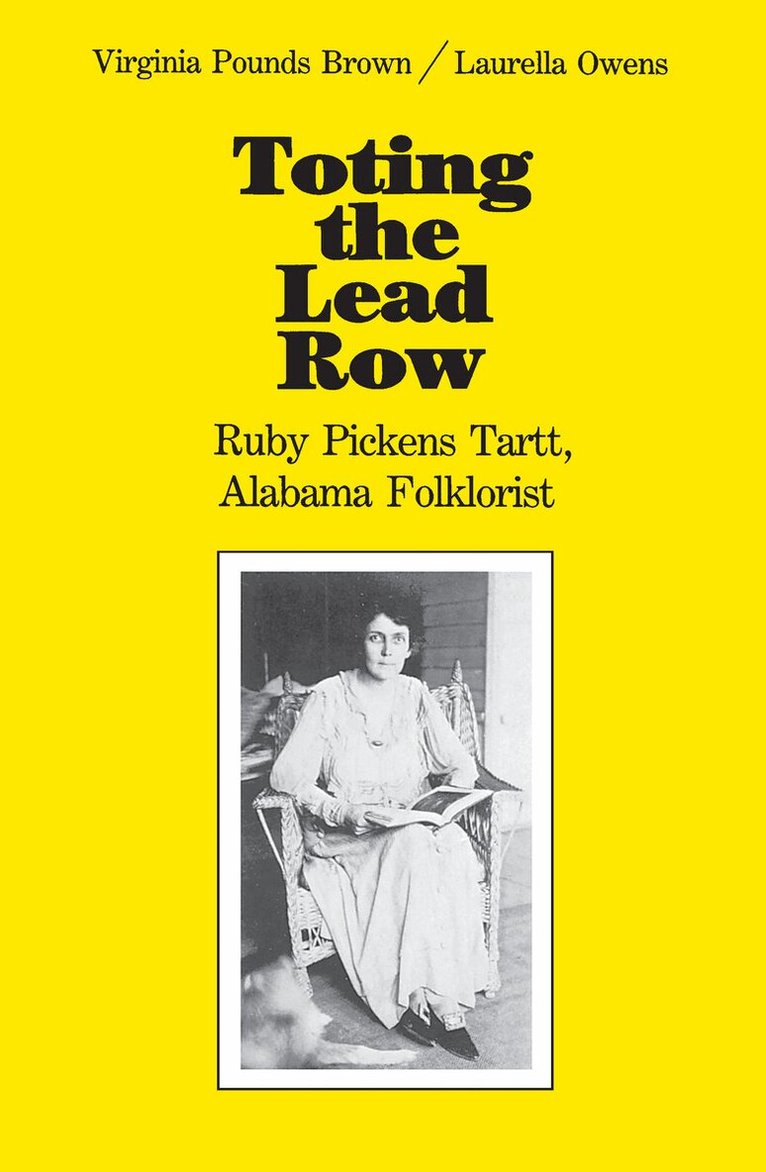
“You recall the expression ‘toting the lead row’, don’t you? In chopping cotton or corn there is always a leader, one who can chop the fastest of them all. When he finishes his row, he goes back and helps the other choppers finish theirs. The one who totes the lead row takes the lead place in the next row.”—Ruby Pickens Tartt As a young woman growing up in Livingston in the Black Belt region of Alabama, Ruby Pickens Tartt developed a keen interest in the stories, songs, and folklore of rural blacks. Born in 1880, this remarkable woman lived through 94 years of dramatic change for blacks and whites alike. She was certain that the very essence of her native Sumter County lay on the back roads, in the cabins hidden nearby, and with the black people who lived there. Their singing and their stories captivated her; the preservation of their heritage became life-long commitment. In her collection work, including service with the WPA Writers’ Project, Ruby Pickens Tartt worked with and assisted other collectors of folklore, notably Carl Carmer and John Lomax; indeed, her Livingston home became a mecca for folklorists and writers. In helping them all, truly Mrs. Tartt was “toting the lead row”. Toting the Lead Row is divided into two major parts. The first is biographical and told in detail is her work during the Depression with the Federal Writers’ Project, collecting folk songs and life histories and gathering folklore. The second part contains selecting writings of Ruby Pickens Tartt: 18 life histories and stories and 12 slave narratives.