2 618 kr
Skickas inom 10-15 vardagar
2 618 kr
Skickas inom 10-15 vardagar
2 581 kr
Skickas inom 7-10 vardagar
2 861 kr
Skickas inom 10-15 vardagar
668 kr
Skickas inom 10-15 vardagar
935 kr
Skickas inom 10-15 vardagar
660 kr
Skickas inom 10-15 vardagar
1 099 kr
Läs direkt efter köp
1 088 kr
Läs direkt efter köp
768 kr
Läs direkt efter köp
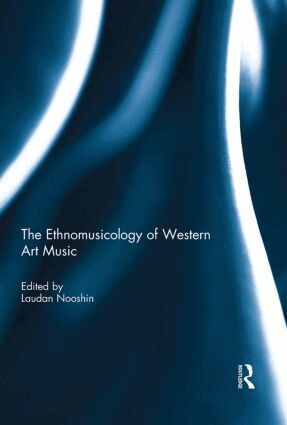
Since the late 1980s, the boundaries between the ‘musicologies’ have become increasingly blurred. Most notably, a growing number of musicologists have become interested in the ideas and methodologies of ethnomusicology, and in particular, in applying one of the central methodological tools of ethnomusicology – ethnography – to the study of Western ‘art’ music, a tradition which had previously been studied primarily through scores, recordings and other historical sources. Alongside this, since the 1970s a small number of ethnomusicologists have also written about Western art music, thus complicating the idea of ethnomusicology as the study of ‘other’ music. Indeed, there has been a growth in this area of scholarship in recent years.
Approaching western art music through the perspectives of ethnomusicology can offer new and enriching insights to the study of this musical tradition, as shown in the writings presented in this book. The current volume is the first collection of essays on this topic and includes work by authors from a range of musicological and ethnomusicological backgrounds, exploring a variety of issues including music in orchestral outreach programmes, new audiences for classical music concerts, music and conflict transformation, ethnographic study of the rehearsal process, and the politics of a high-profile music festival.
This book was originally published as a special issue of Ethnomusicology Forum.
779 kr
Läs direkt efter köp
Since the late 1980s, the boundaries between the ‘musicologies’ have become increasingly blurred. Most notably, a growing number of musicologists have become interested in the ideas and methodologies of ethnomusicology, and in particular, in applying one of the central methodological tools of ethnomusicology – ethnography – to the study of Western ‘art’ music, a tradition which had previously been studied primarily through scores, recordings and other historical sources. Alongside this, since the 1970s a small number of ethnomusicologists have also written about Western art music, thus complicating the idea of ethnomusicology as the study of ‘other’ music. Indeed, there has been a growth in this area of scholarship in recent years.
Approaching western art music through the perspectives of ethnomusicology can offer new and enriching insights to the study of this musical tradition, as shown in the writings presented in this book. The current volume is the first collection of essays on this topic and includes work by authors from a range of musicological and ethnomusicological backgrounds, exploring a variety of issues including music in orchestral outreach programmes, new audiences for classical music concerts, music and conflict transformation, ethnographic study of the rehearsal process, and the politics of a high-profile music festival.
This book was originally published as a special issue of Ethnomusicology Forum.
750 kr
Läs direkt efter köp
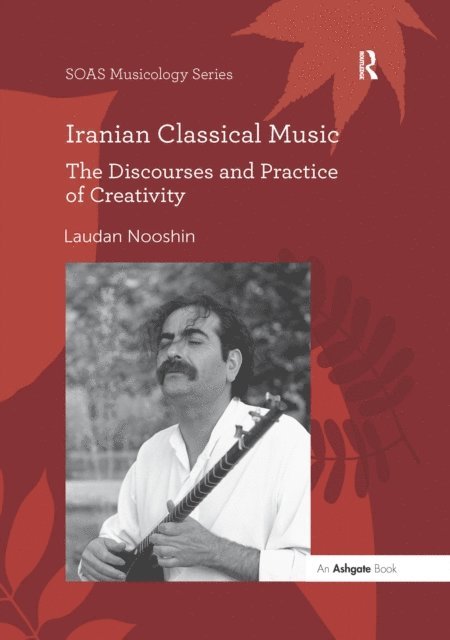
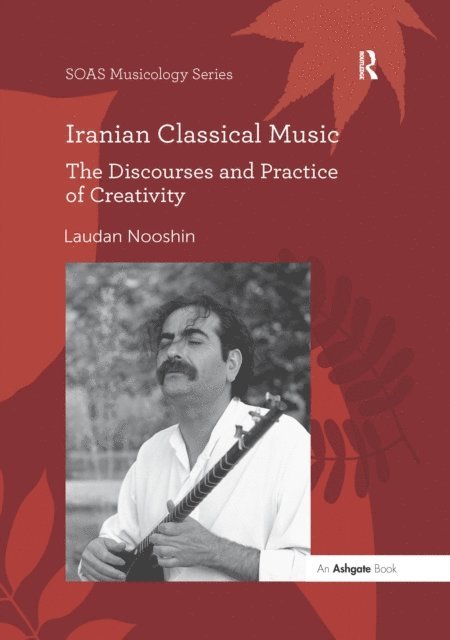
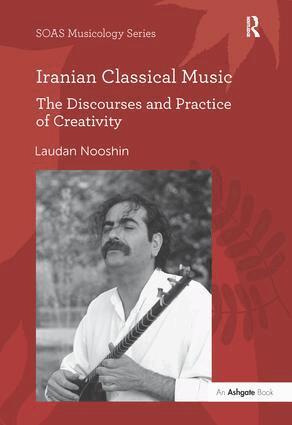
Questions of creativity, and particularly the processes which underlie creative performance or ’improvisation’, form some of the central areas of interest in current musicology. Yet the predominant discourses on which musicological thought in this area are based have rarely been challenged. In this book Laudan Nooshin interrogates musicological discourses of creativity from the perspective of critical theory and postcolonial studies, examining their ideological underpinnings, the relationships of alterity which they sustain, and the profound implications for our understanding of creative processes in music. The repertoire which forms the book’s main focus is Iranian classical music, a tradition in which the performer plays a central creative role. Addressing a number of issues regarding the nature of musical creativity, the author explores both the discourses through which ideas about creativity are constructed, exchanged and negotiated within this tradition, and the practice by which new music comes into being. For the latter she compares a number of performances by musicians playing a range of instruments and spanning a period of more than 30 years, focusing on one particular section of repertoire, dastgāh Segāh, and providing transcriptions of the performances as the basis for analytical exploration of the music’s underlying compositional principles. This book is about understanding musical creativity as a meaningful social practice. It is the first to examine the ways in which ideas about tradition, authenticity, innovation and modernity in Iranian classical music form part of a wider social discourse on creativity, and in particular how they inform debates regarding national and cultural identity.
762 kr
Läs direkt efter köp
Questions of creativity, and particularly the processes which underlie creative performance or ’improvisation’, form some of the central areas of interest in current musicology. Yet the predominant discourses on which musicological thought in this area are based have rarely been challenged. In this book Laudan Nooshin interrogates musicological discourses of creativity from the perspective of critical theory and postcolonial studies, examining their ideological underpinnings, the relationships of alterity which they sustain, and the profound implications for our understanding of creative processes in music. The repertoire which forms the book’s main focus is Iranian classical music, a tradition in which the performer plays a central creative role. Addressing a number of issues regarding the nature of musical creativity, the author explores both the discourses through which ideas about creativity are constructed, exchanged and negotiated within this tradition, and the practice by which new music comes into being. For the latter she compares a number of performances by musicians playing a range of instruments and spanning a period of more than 30 years, focusing on one particular section of repertoire, dastgāh Segāh, and providing transcriptions of the performances as the basis for analytical exploration of the music’s underlying compositional principles. This book is about understanding musical creativity as a meaningful social practice. It is the first to examine the ways in which ideas about tradition, authenticity, innovation and modernity in Iranian classical music form part of a wider social discourse on creativity, and in particular how they inform debates regarding national and cultural identity.
1 282 kr
Kommande