

Svenska, 2023
144 kr
Skickas inom 5-8 vardagar
144 kr
Skickas inom 5-8 vardagar
143 kr
Skickas inom 7-10 vardagar
165 kr
Skickas
277 kr
Skickas inom 3-6 vardagar
256 kr
Skickas inom 3-6 vardagar

456 kr
Skickas inom 7-10 vardagar

301 kr
Skickas

249 kr
Skickas inom 3-6 vardagar
197 kr
Skickas

447 kr
Läs direkt efter köp

450 kr
Läs direkt efter köp

605 kr
Skickas inom 5-8 vardagar
584 kr
Skickas inom 10-15 vardagar

653 kr
Läs direkt efter köp
But it was as a columnist for the famous African-American newspaper the Chicago Defender that Hughes chronicled the hopes and despair of his people. For twenty years, he wrote forcefully about international race relations, Jim Crow, the South, white supremacy, imperialism and fascism, segregation in the armed forces, the Soviet Union and communism, and African-American art and culture. None of the racial hypocrisies of American life escaped his searing, ironic prose.
This is the first collection of Hughes''s nonfiction journalistic writings. For readers new to Hughes, it is an excellent introduction; for those familiar with him, it gives new insights into his poems and fiction.
322 kr
Skickas inom 7-10 vardagar

266 kr
Skickas inom 10-15 vardagar

208 kr
Läs direkt efter köp
87 kr
Läs direkt efter köp
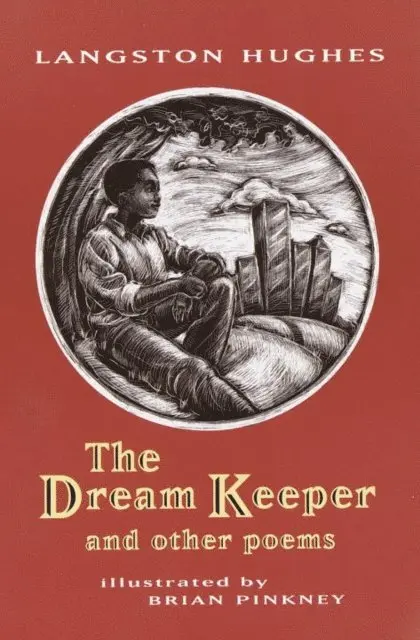
125 kr
Läs direkt efter köp
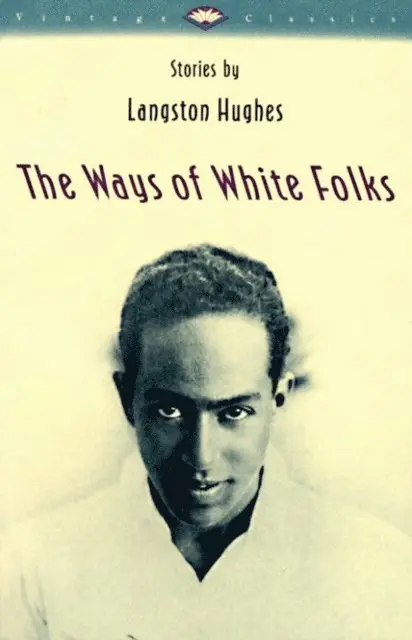
191 kr
Läs direkt efter köp

94 kr
Läs direkt efter köp
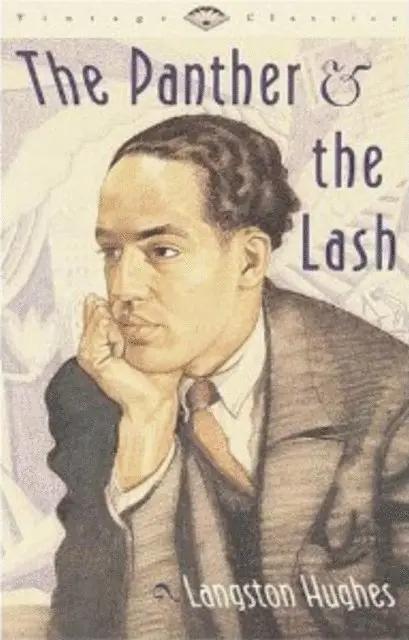
95 kr
Läs direkt efter köp
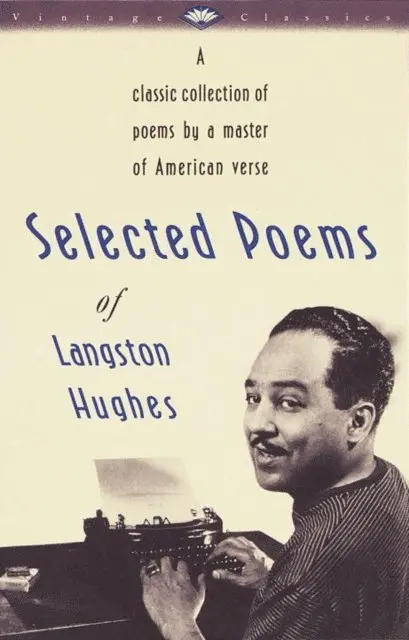
172 kr
Läs direkt efter köp
386 kr
Skickas inom 3-6 vardagar
122 kr
Skickas inom 3-6 vardagar
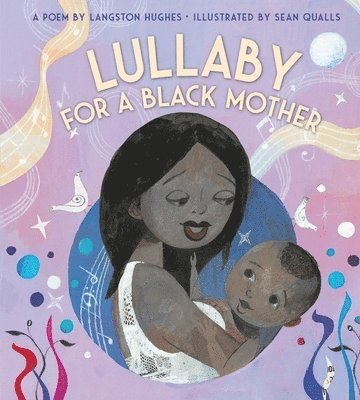
This beloved poem by Langston Hughes, illustrated by the award-winning Sean Qualls, is an irresistible celebration of the love between mother and baby, now available in board book format.
Award-winning illustrator Sean Qualls’s painted and collaged artwork captures universally powerful maternal moments with tenderness. In the end, readers will find a rare photo of baby Hughes and his mother, a biographical note, further reading, and the complete lullaby. Like little love-ones, this beautiful book is a treasure.
“My little dark baby, / My little earth-thing, / My little love-one, / What shall I sing / For your lullaby?"

274 kr
Skickas inom 3-6 vardagar
Langston Hughes's stories about Jesse B. Semple--first composed for a weekly column in the Chicago Defender and then collected in Simple Speaks His Mind, Simple Takes a Wife, and Simple Stakes a Claim--have been read and loved by hundreds of thousands of readers. In The Best of Simple, the author picked his favorites from these earlier volumes, stories that not only have proved popular but are now part of a great and growing literary tradition.Simple might be considered an Everyman for black Americans. Hughes himself wrote: "...these tales are about a great many people--although they are stories about no specific persons as such. But it is impossible to live in Harlem and not know at least a hundred Simples, fifty Joyces, twenty-five Zaritas, and several Cousin Minnies--or reasonable facsimiles thereof."As Arnold Rampersad has written, Simple is "one of the most memorable and winning characters in the annals of American literature, justly regarded as one of Hughes's most inspired creations."
297 kr
Skickas inom 3-6 vardagar

304 kr
Skickas inom 3-6 vardagar

369 kr
Skickas inom 3-6 vardagar

142 kr
Läs direkt efter köp
Nearly ninety years after its first publication, this celebratory edition of The Weary Blues reminds us of the stunning achievement of Langston Hughes, who was just twenty-four at its first appearance. Beginning with the opening “Proem” (prologue poem)—“I am a Negro: / Black as the night is black, / Black like the depths of my Africa”—Hughes spoke directly, intimately, and powerfully of the experiences of African Americans at a time when their voices were newly being heard in our literature. As the legendary Carl Van Vechten wrote in a brief introduction to the original 1926 edition, “His cabaret songs throb with the true jazz rhythm; his sea-pieces ache with a calm, melancholy lyricism; he cries bitterly from the heart of his race . . . Always, however, his stanzas are subjective, personal,” and, he concludes, they are the expression of “an essentially sensitive and subtly illusive nature.” That illusive nature darts among these early lines and begins to reveal itself, with precocious confidence and clarity. In a new introduction to the work, the poet and editor Kevin Young suggests that Hughes from this very first moment is “celebrating, critiquing, and completing the American dream,” and that he manages to take Walt Whitman’s American “I” and write himself into it. We find here not only such classics as “The Negro Speaks of Rivers” and the great twentieth-century anthem that begins “I, too, sing America,” but also the poet’s shorter lyrics and fancies, which dream just as deeply. “Bring me all of your / Heart melodies,” the young Hughes offers, “That I may wrap them / In a blue cloud-cloth / Away from the too-rough fingers / Of the world.”
From the Hardcover edition.