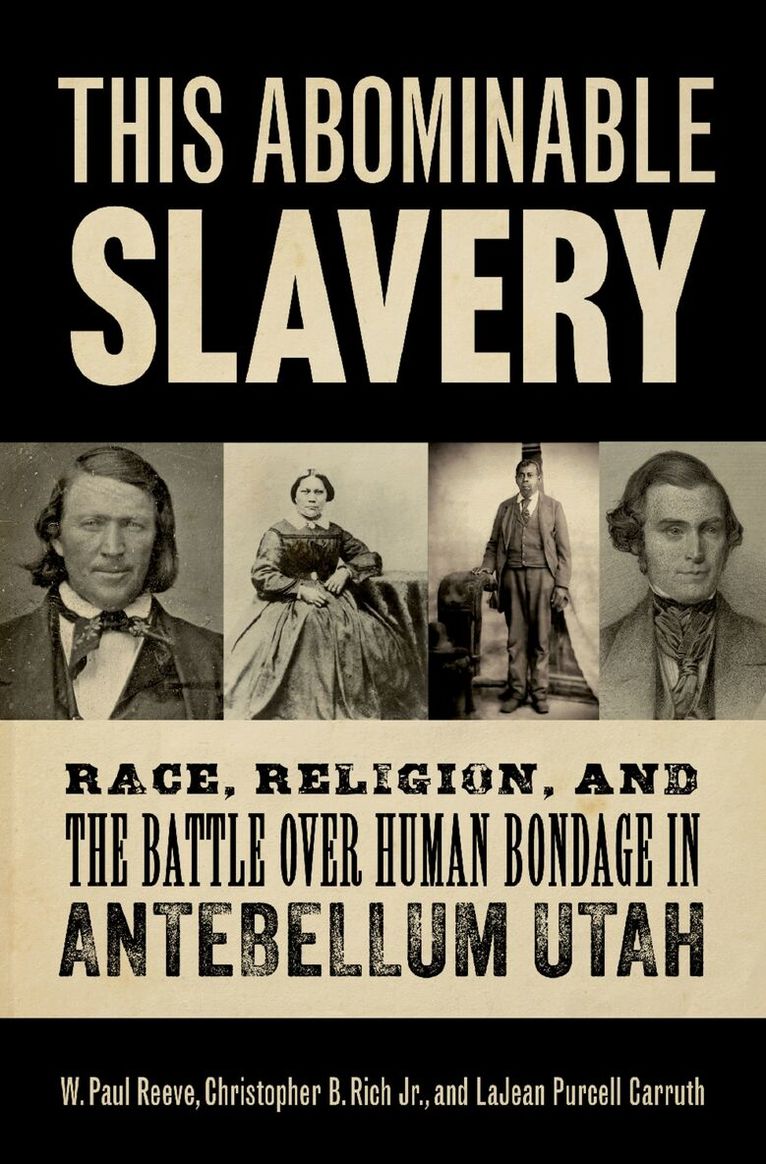
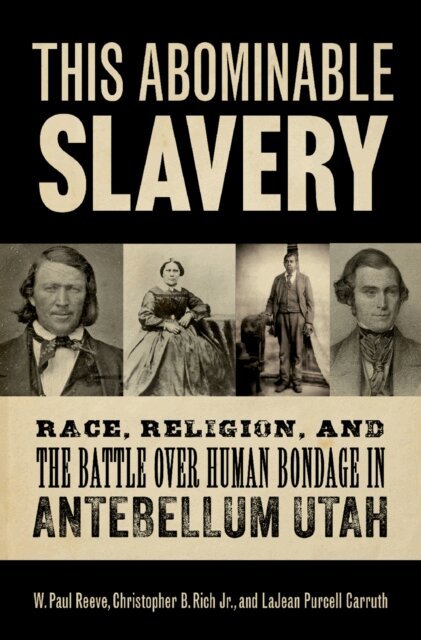
On July 22, 1847, a group of about forty refugees entered the Salt Lake Valley. Among them were three enslaved men, two of whom shared the religion, Mormonism, that had caused them to flee. The valley was also home to members of the Ute tribe, who would sometimes barter captive women and children to Spanish colonizers. Thus, the question of whether the Latter-day Saints would accept or reject slavery in their new Zion confronted them on the day they first arrived. Five years later, after Utah had become an American territory, its legislature was prodded to take up the question then roiling the nation: would they be slave or free? George D. Watt, the official reporter for the 1852 legislative session, reported debates and speeches in Pitman shorthand. They remained in their original format, virtually untouched, for more than one hundred and fifty years, until LaJean Purcell Carruth transcribed them. In this eye-opening volume, Carruth, Christopher Rich, and W. Paul Reeve draw extensively on these new sources to chronicle the session, during which the legislature passed two important statutes: one that legally transformed African American slaves into "servants" but did not pass the condition of servitude on to their children and another that authorized twenty-year indentures for enslaved Native Americans. This Abominable Slavery places these debates within the context of the nation's growing sectional divide and contextualizes the meaning of these laws in the lives of Black enslaved people and Native American indentured servants. In doing so, it sheds new light on race, religion, slavery, and unfree labor in the antebellum period.
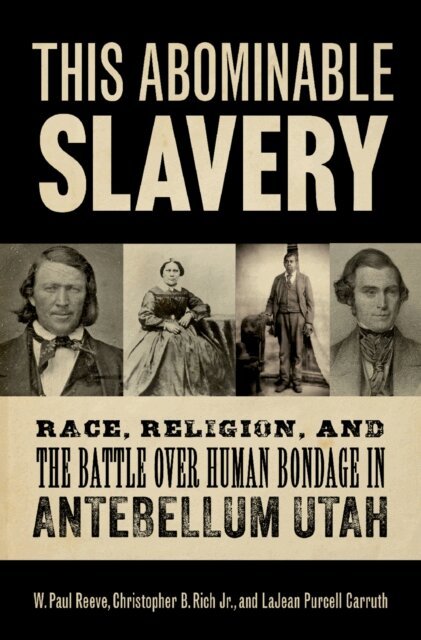
On July 22, 1847, a group of about forty refugees entered the Salt Lake Valley. Among them were three enslaved men, two of whom shared the religion, Mormonism, that had caused them to flee. The valley was also home to members of the Ute tribe, who would sometimes barter captive women and children to Spanish colonizers. Thus, the question of whether the Latter-day Saints would accept or reject slavery in their new Zion confronted them on the day they first arrived. Five years later, after Utah had become an American territory, its legislature was prodded to take up the question then roiling the nation: would they be slave or free? George D. Watt, the official reporter for the 1852 legislative session, reported debates and speeches in Pitman shorthand. They remained in their original format, virtually untouched, for more than one hundred and fifty years, until LaJean Purcell Carruth transcribed them. In this eye-opening volume, Carruth, Christopher Rich, and W. Paul Reeve draw extensively on these new sources to chronicle the session, during which the legislature passed two important statutes: one that legally transformed African American slaves into "servants" but did not pass the condition of servitude on to their children and another that authorized twenty-year indentures for enslaved Native Americans. This Abominable Slavery places these debates within the context of the nation''s growing sectional divide and contextualizes the meaning of these laws in the lives of Black enslaved people and Native American indentured servants. In doing so, it sheds new light on race, religion, slavery, and unfree labor in the antebellum period.
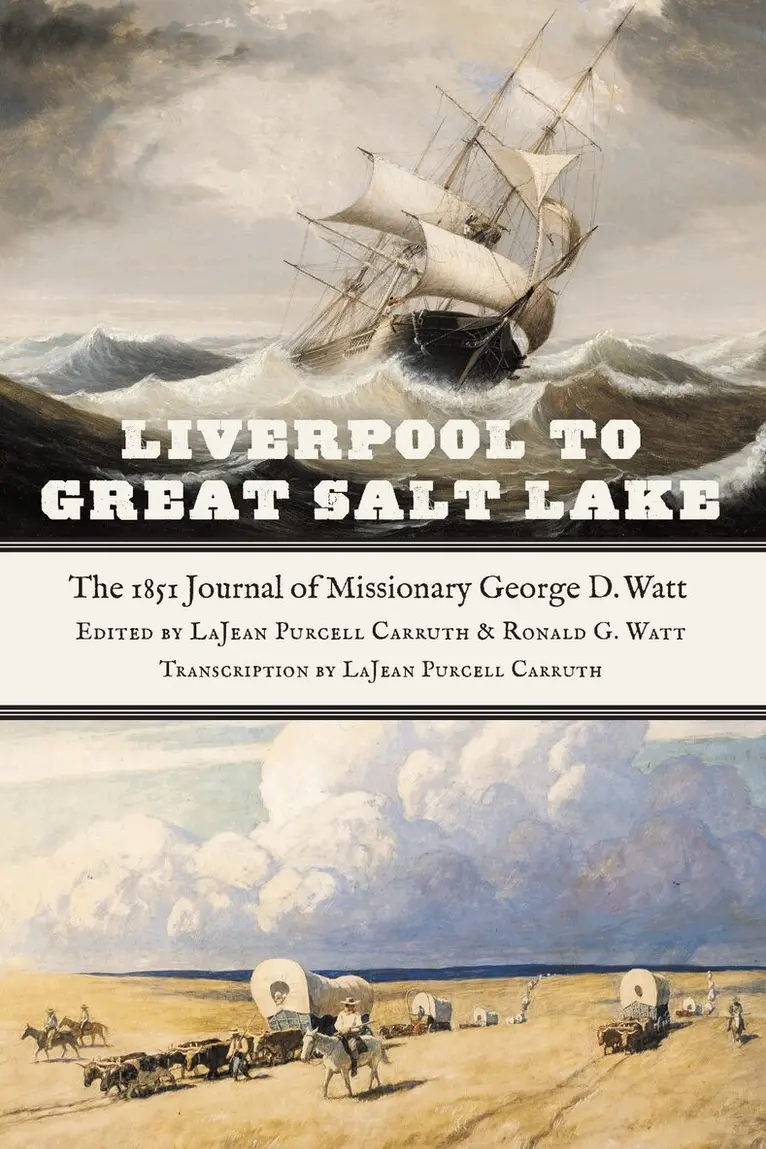
George Darling Watt was the first convert of the Church of Jesus Christ of Latter-day Saints baptized in the British Isles. He emigrated to Nauvoo, Illinois, in 1842. He returned to the British Isles in 1846 as a missionary, accompanied by his wife and young son. He remained there until 1851, when he led a group of emigrant converts to Salt Lake City, Utah. Watt recorded his journey from Liverpool to Chimney Rock in Pitman shorthand. Remarkably, his journal wasn’t discovered until 2001-and is transcribed and appearing for the first time in this book.Watt’s journal provides an important glimpse into the transatlantic nature of Latter-day Saint migration to Salt Lake City. In 1850 there were more Latter-day Saints in England than in the United States, but by 1890 more than eighty-five thousand converts had crossed the Atlantic and made their way to Salt Lake City. Watt’s 1851 journal opens a window into those overseas, riverine, and overland journeys. His spirited accounts provide wide-ranging details about the births, marriages, deaths, Sunday sermons, interpersonal relations, weather, and food and water shortages of the journey, as well as the many logistical complexities.
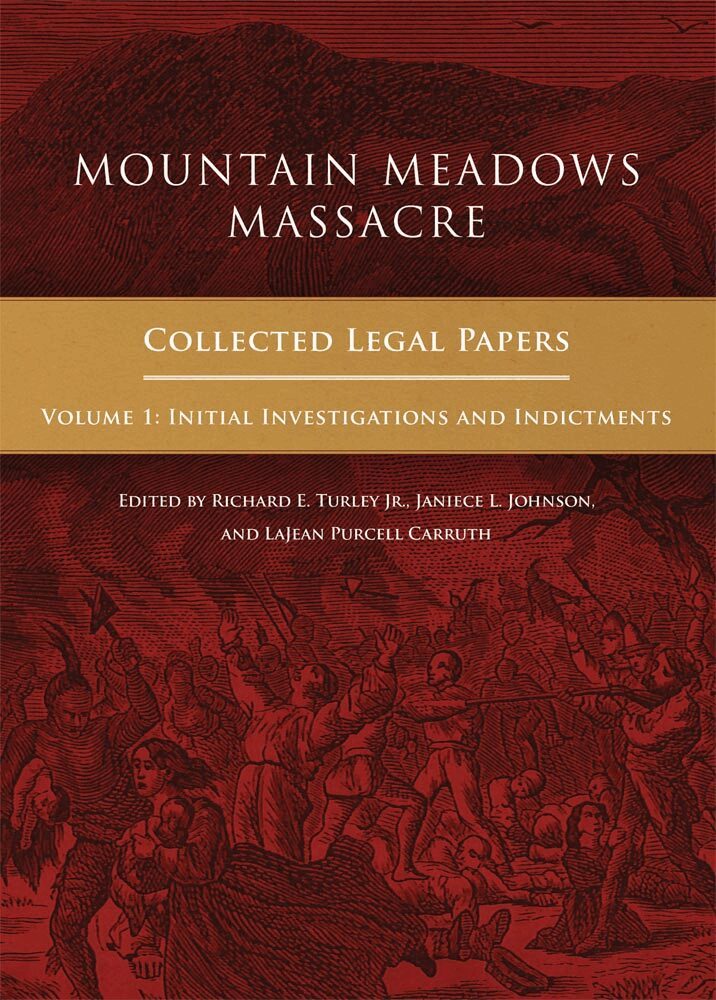
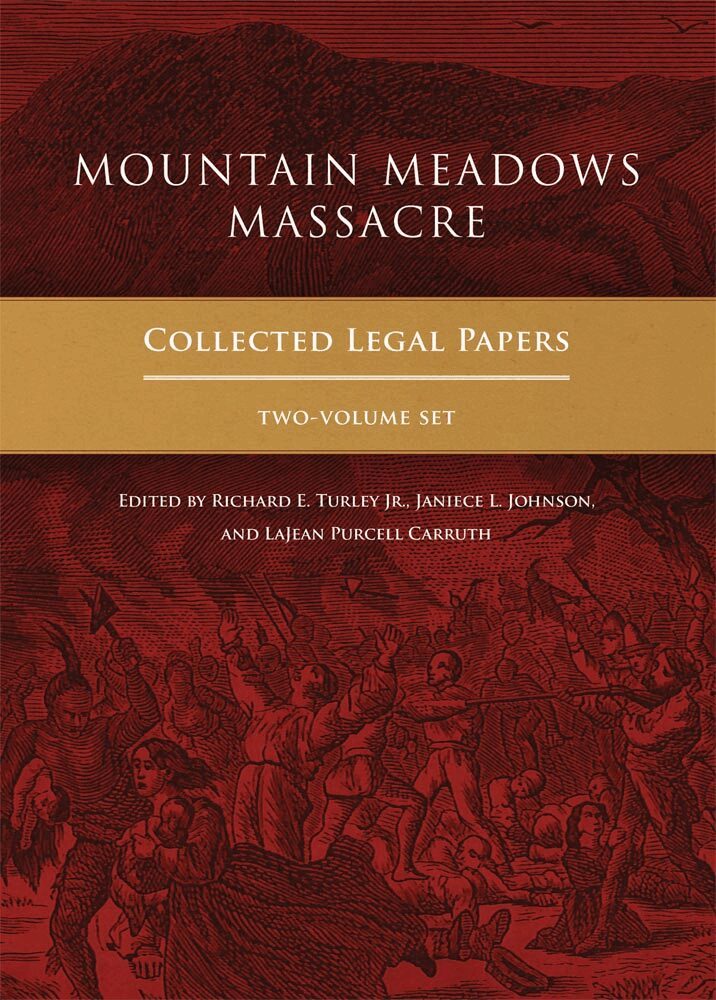
On September 11, 1857, a group of Mormons aided by Paiute Indians brutally murdered some 120 men, women, and children traveling through a remote region of southwestern Utah. Within weeks, news of the atrocity spread across the United States. But it took until 1874 - seventeen years later - before a grand jury finally issued indictments against nine of the perpetrators. Mountain Meadows Massacre chronicles the prolonged legal battle to gain justice for the victims.The editors of this two-volume collection of documents have combed public and private manuscript collections from across the United States to reconstruct the complex legal proceedings that occurred in the massacre's aftermath. This exhaustively researched compilation covers a nearly forty-year history of investigation and prosecution - from the first reports of the massacre to the dismissal of the last indictment in 1896. Volume 1 contains the first half of the story: the records of the official investigations into the massacre and transcriptions of all nine indictments. Eight of those indictments never resulted in a trial conviction, but the one that did is documented extensively in Volume 2.Historians have long debated the circumstances surrounding the Mountain Meadows Massacre, one of the most disturbing and controversial events in American history, and painful questions linger to this day. This invaluable, exhaustively researched collection allows readers the opportunity to form their own conclusions about the forces behind this dark moment in western U.S. history.
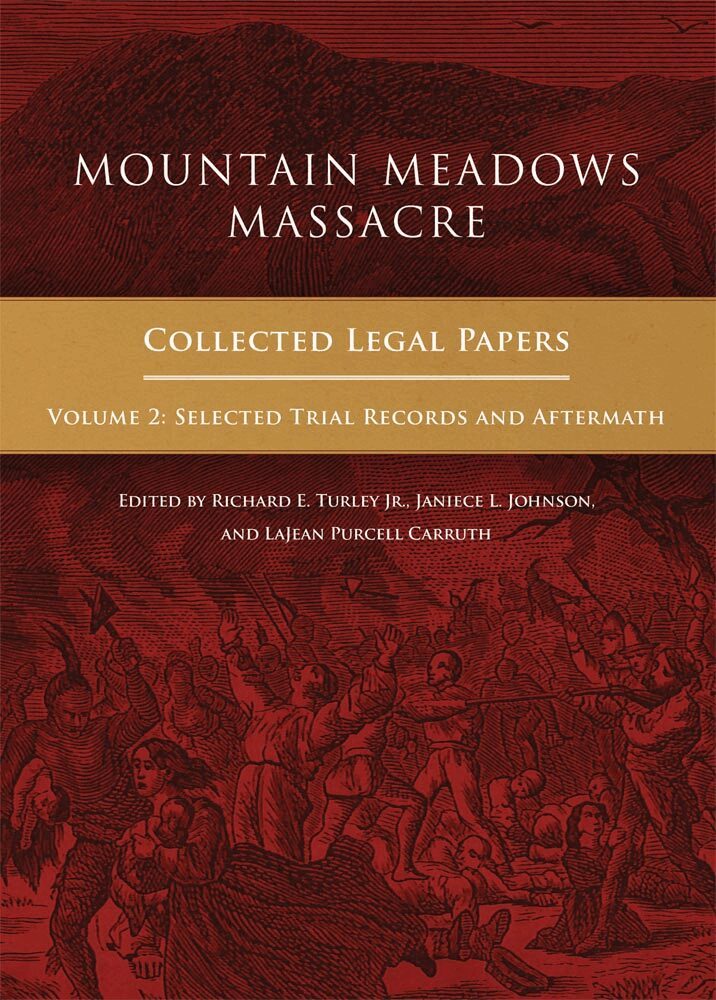
On September 11, 1857, a group of Mormons aided by Paiute Indians brutally murdered some 120 men, women, and children traveling through a remote region of southwestern Utah. Within weeks, news of the atrocity spread across the United States. But it took until 1874 - seventeen years later - before a grand jury finally issued indictments against nine of the perpetrators. Mountain Meadows Massacre chronicles the prolonged legal battle to gain justice for the victims.The editors of this two-volume collection of documents have combed public and private manuscript collections from across the United States to reconstruct the complex legal proceedings that occurred in the massacre's aftermath. This exhaustively researched compilation covers a nearly forty-year history of investigation and prosecution - from the first reports of the massacre to the dismissal of the last indictment in 1896. Of special importance in Volume 2 are the transcripts of legal proceedings against John D. Lee - many of which the editors have transcribed anew from the shorthand. The two trials against Lee led to his confession, conviction, and ultimately his execution on the massacre site in 1877, all documented in this volume.Historians have long debated the circumstances surrounding the Mountain Meadows Massacre, one of the most disturbing and controversial events in American history, and painful questions linger to this day. This invaluable, exhaustively researched collection allows readers the opportunity to form their own conclusions about the forces behind this dark moment in western U.S. history.
On September 11, 1857, a group of Mormons aided by Paiute Indians brutally murdered some 120 men, women, and children traveling through a remote region of southwestern Utah. Within weeks, news of the atrocity spread across the United States. But it took until 1874 - seventeen years later - before a grand jury finally issued indictments against nine of the perpetrators. Mountain Meadows Massacre chronicles the prolonged legal battle to gain justice for the victims.The editors of this two-volume collection combed public and private manuscript collections across the United States to reconstruct the complex legal proceedings that occurred in the massacre's aftermath. The documents they unearthed, transcribed and presented here, cover a nearly forty-year history of investigation and prosecution - from the first reports of the massacre in 1857 to the dismissal of the last indictment against a perpetrator in 1896. Volume 1 tells the first half of the story: the records of the investigations into the massacre and transcriptions of all nine indictments, eight of which never resulted in a trial conviction. Volume 2 details the legal proceedings against the one man indicted to go to trial, John D. Lee. Lee's trials led to his confession and conviction, and ultimately to his execution on the massacre site in 1877, all documented in Volume 2.Historians have long debated the circumstances surrounding the Mountain Meadows Massacre, one of the most disturbing and controversial events in American history, and painful questions linger to this day. This invaluable, exhaustively researched collection allows readers the opportunity to form their own conclusions about the forces behind this dark moment in western U.S. history.