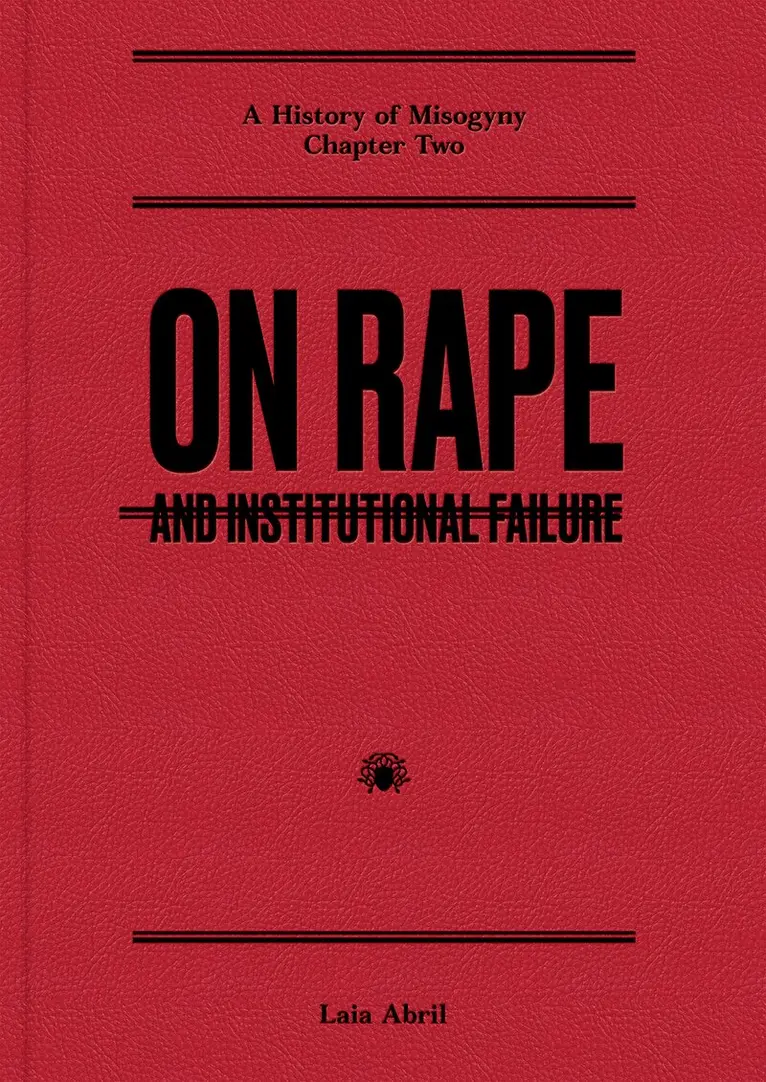
Laia Abri's On Rape is a visualisation of the origin of gender-based stereotypes and myths, as well as the failing structures of law and order, that continue to perpetuate rape culture. Abril collates and interweaves compiled testimonies, political proclamations, historical archives, popular and traditional beliefs, as well as society's structural failures to deal with sexual violence. To avoid feeding the systemic victim-blaming society, Abril switches the visual narrative from the survivors to the institu tions, allowing her opportunity to address transgenerational trauma and social accountability. 'On Rape' is the second chapter of Laia Abril's long-term project 'A History of Misogyny', a visual research through his torical and contemporary comparisons of the systemic control of women in the world. Laia Abril is a research-based artist working with photography, text and sound. She focusses on long-term projects on uneasy and hidden realities about women rights, grief and bio-politics. She is the author of several award winning books: The Epilogue (2014, Dewi Lewis), Lobismuller (2016, RM) and On Abortion (2018 Dewi Lewis) nominated for the Deutsche Bêrse Prize and the winner of the Aperture-Paris Photo Best Book Award. She has exhibited in more than 15 countries and her work is in collections such as the Centre Pompidou, FRAC, Musee de l'Elysee, Fotomuseum Winterthur, MoCP and MNAC. Her career has been recognized with the Prix de la Photo in Arles, The Hood Medal in London and the FOAM Paul Huf Award in Amsterdam, among others. Abril is represented by the Parisian gallery Les Filles du Calvaire.
With this new issue entitled “(After)care“, The Eyes explores the methods and approaches of photographers who address the most traumatic chapters of our individual and collective histories. After collaborating with SMITH (Transgalactic, 2020) and Johny Pitts (B-Side, 2021), we invited the Spanish artist Laia Abril to take over the content of the magazine. This issue explores the role of responsibility in the process of photography. Many questions are raised in this issue: how do we portray our deepest wounds? What is the significance of vulnerability in the creation of photographs? How can we ensure that the violence of the world is not repeated through the violence of images? This issue of The Eyes features a variety of works and books by artists who all represent, in their own way, a practice of “photographic care”. The works address subjects as diverse as colonial wars, natural disasters, sexual and gender violence, and disability. Texts and interviews with researchers and artists broaden the reflection on this subject, which is as yet little discussed. TEXTS (AFTER)CARETaous DahmaniHistorian of photography and member of the editorial board of The Eyes THE ORGANIC METHODLaia AbrilArtist, researcher and guest curator of The Eyes #13 (AFTER)CARE Daniela Vicherat MattarCare expert, associate professor of sociology at Leiden University in The Hague. HOW WOULD YOU CONSIDER AFTERCARE IN YOUR WORK ?The artists published in the magazine give their views on the notion of aftercare in their artistic practice. Ana Vallejo, Hayley Millar Baker, Hoda Afshar, Kitra Cahana, Margo Ovcharenko, Max Pinckers, Robert Andy Coombs, Masina & Gal, Jérémie Danon. NETWORKS OF MUTUAL CAREA conversation between the two artists, Carmen Winant and Laia Abril PHOTOCAPTIONISTLetizia Lopreiato x Laia AbrilFederica Chiocchetti proposes in these pages a dialogue between the unpublished images of Laia Abril and the poet Letizia Lopreiato. PORTFOLIOS12 ARTISTS PORTFOLIOS Hoda AfsharRobert Andy Coombs Kitra CahanaJoana ChoumaliJe?re?mie DanonMasina & GalHayley Millar BakerMargo OvcharenkoMax PinckersAida SilvestriAna VallejoCarmen Winant
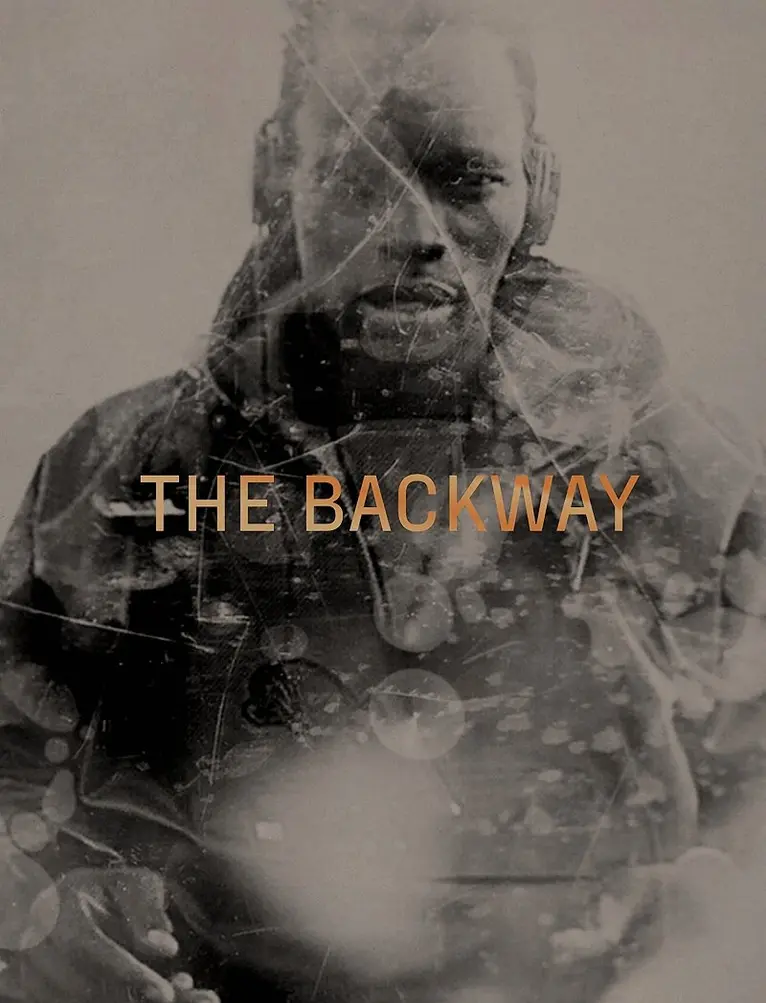
Documenting the harrowing journey taken by migrants from West Africa to EuropePublished with RUIDO Photo.Over four years, a group of journalists and photographers walked the main route taken by migrants between West Africa and Europe. This project documents their journey, revealing abuse, injustice and death along the way and leading the authors to grapple with the morality of their professions.