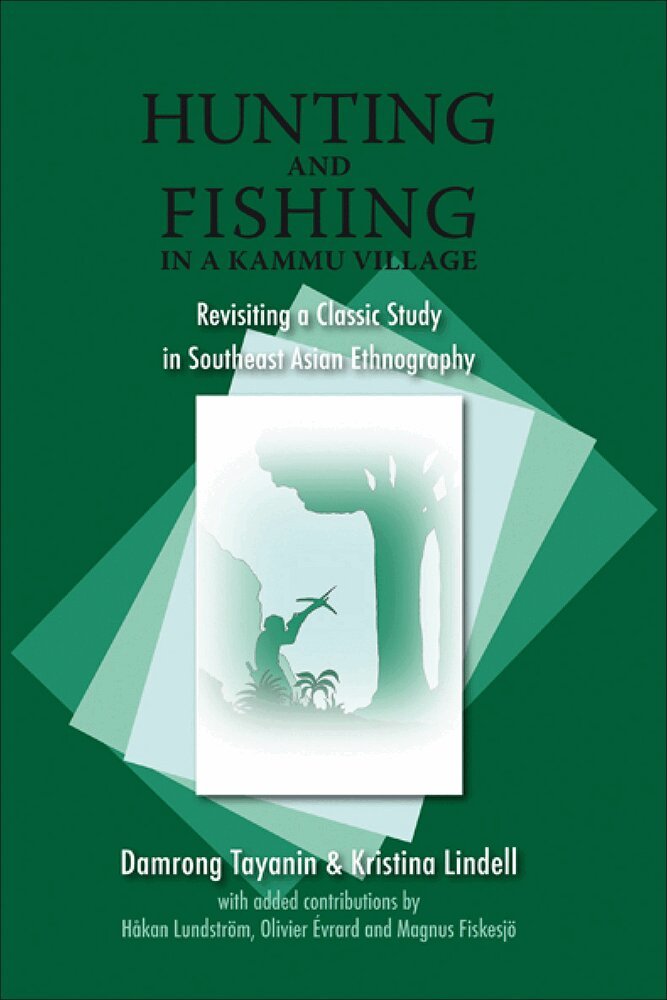
Hailed on its first publication as 'an outstanding contribution to Southeast Asian ethnography - highly recommended not only for specialists in traditional hunting and fishing but also for those readers who wish to gain some insight from the native's point of view - into a fascinating tribal minority culture of highland Southeast Asia' (Roland Mischung, Asian Folklore Studies).This reproduction of the 1991 edition is augmented by new material on food cultivation and its preparation among the Kammu by Kam Raw (Damrong Tayanin) and an essay by Hakan Lundstrom.
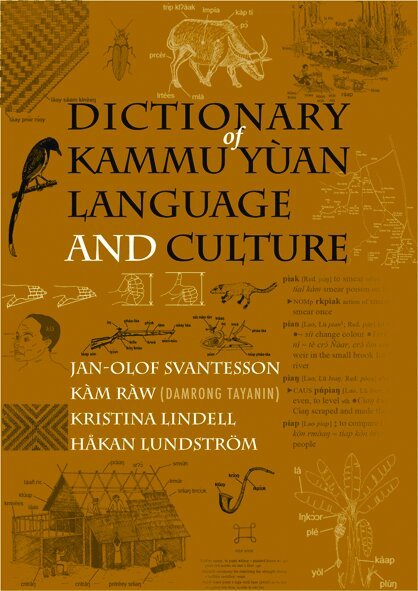
By retaining their orally based culture through to the present day, the Kammu of northern Laos and adjacent parts of Vietnam, Thailand and China have long been recognised as a repository for much that has been lost or ignored in the literate cultures of their lowland neighbours. Many studies of Kammu folklore, music and society have been published as a result. Arguably, its crowning achievement is finally to appear.Ostensibly, this is a dictionary of the Yuan dialect of Kammu but the reality is far more: a vast, encyclopaedic reference work that details not only some 13,000 words but also describes all aspects of Kammu life, including rites and ceremonies, implements, plants and animals. The richness of this detail is largely based on author Kam Raw's personal knowledge and experience as a Kammu hunter, swidden farmer and shaman. The result is an essential reference work that not only details the life, language and culture of the Kammu but also offers a rich insight into the worlds of minority peoples elsewhere in upland Southeast Asia and southern China.