2 151 kr
Skickas inom 3-6 vardagar
2 151 kr
Skickas inom 3-6 vardagar
1 643 kr
Läs direkt efter köp
2 564 kr
Skickas inom 7-10 vardagar
731 kr
Skickas inom 10-15 vardagar
582 kr
Skickas inom 7-10 vardagar
754 kr
Skickas inom 7-10 vardagar
1 559 kr
Skickas inom 7-10 vardagar
1 677 kr
Skickas inom 7-10 vardagar
305 kr
Läs direkt efter köp
310 kr
Läs direkt efter köp
559 kr
Läs direkt efter köp
559 kr
Läs direkt efter köp
564 kr
Skickas inom 7-10 vardagar
654 kr
Läs direkt efter köp
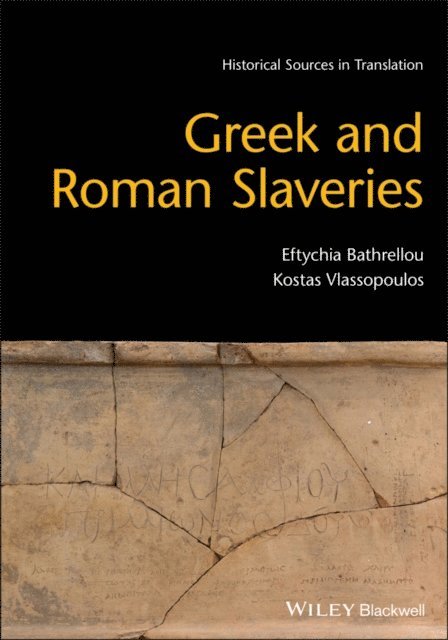
Greek and Roman Slaveries
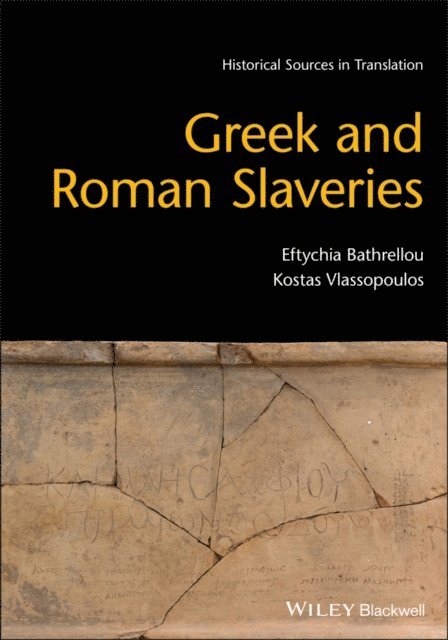
Slavery was foundational to Greek and Roman societies, affecting nearly all of their economic, social, political, and cultural practices. Greek and Roman Slaveries offers a rich collection of literary, epigraphic, papyrological, and archaeological sources, including many unfamiliar ones. This sourcebook ranges chronologically from the archaic period to late antiquity, covering the whole of the Mediterranean, the Near East, and temperate Europe.
Readers will find an interactive and user-friendly engagement with past scholarship and new research agendas that focuses particularly on the agency of ancient slaves, the processes in which slavery was inscribed, the changing history of slavery in antiquity, and the comparative study of ancient slaveries.
Perfect for undergraduate and graduate students taking courses on ancient slavery, as well as courses on slavery more generally, this sourcebook''s questions, cross-references, and bibliographies encourage an analytical and interactive approach to the various economic, social, and political processes and contexts in which slavery was employed while acknowledging the agency of enslaved persons.
856 kr
Läs direkt efter köp
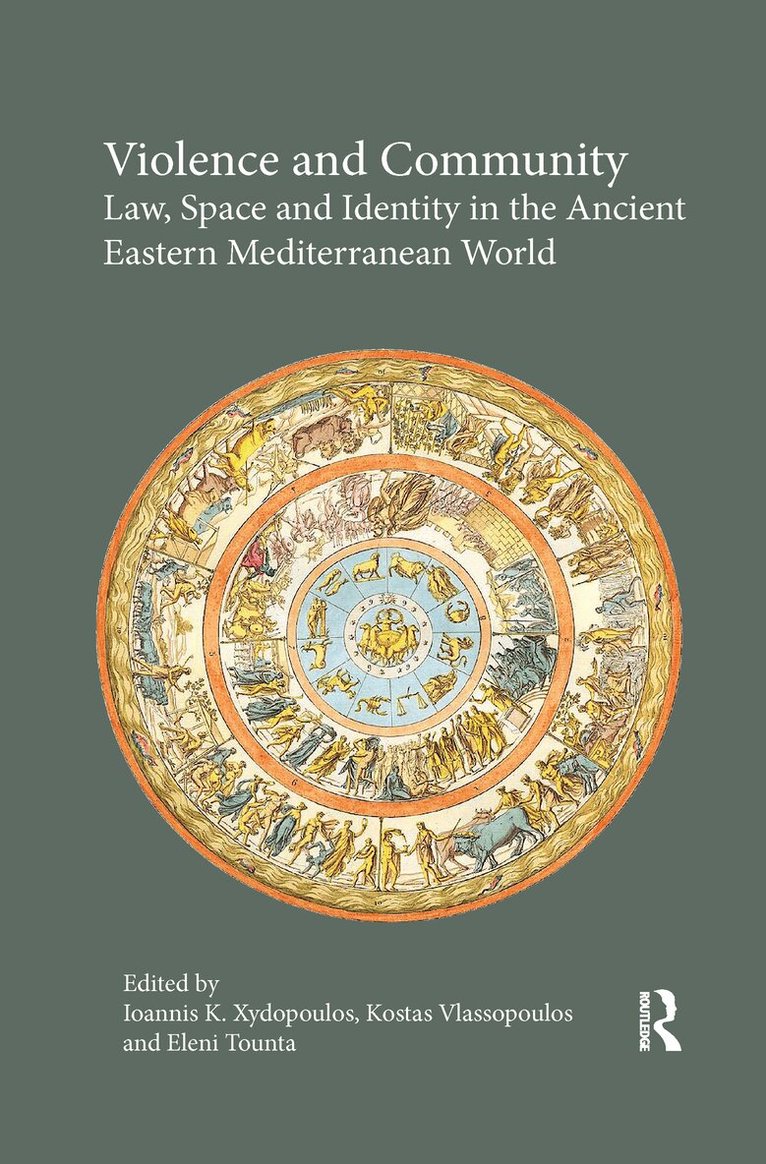
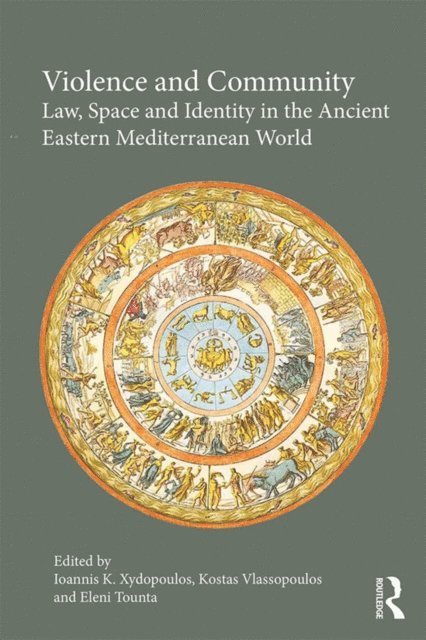
Violence and community were intimately linked in the ancient world. While various aspects of violence have been long studied on their own (warfare, revolution, murder, theft, piracy), there has been little effort so far to study violence as a unified field and explore its role in community formation. This volume aims to construct such an agenda by exploring the historiography of the study of violence in antiquity, and highlighting a number of important paradoxes of ancient violence. It explores the forceful nexus between wealth, power and the passions by focusing on three major aspects that link violence and community: the attempts of communities to regulate and canalise violence through law, the constitutive role of violence in communal identities, and the ways in which communities dealt with violence in regards to private and public space, landscapes and territories. The contributions to this volume range widely in both time and space: temporally, they cover the full span from the archaic to the Roman imperial period, while spatially they extend from Athens and Sparta through Crete, Arcadia and Macedonia to Egypt and Israel.
838 kr
Läs direkt efter köp
Violence and community were intimately linked in the ancient world. While various aspects of violence have been long studied on their own (warfare, revolution, murder, theft, piracy), there has been little effort so far to study violence as a unified field and explore its role in community formation. This volume aims to construct such an agenda by exploring the historiography of the study of violence in antiquity, and highlighting a number of important paradoxes of ancient violence. It explores the forceful nexus between wealth, power and the passions by focusing on three major aspects that link violence and community: the attempts of communities to regulate and canalise violence through law, the constitutive role of violence in communal identities, and the ways in which communities dealt with violence in regards to private and public space, landscapes and territories. The contributions to this volume range widely in both time and space: temporally, they cover the full span from the archaic to the Roman imperial period, while spatially they extend from Athens and Sparta through Crete, Arcadia and Macedonia to Egypt and Israel.
2 577 kr
Skickas inom 10-15 vardagar
360 kr
Skickas
1 422 kr
Skickas inom 10-15 vardagar
290 kr
Skickas inom 10-15 vardagar