
Häftad, Engelska, 2020
564 kr
Skickas inom 7-10 vardagar
564 kr
Skickas inom 7-10 vardagar
633 kr
Skickas inom 7-10 vardagar
691 kr
Skickas inom 7-10 vardagar
1 169 kr
Skickas inom 7-10 vardagar
492 kr
Läs direkt efter köp
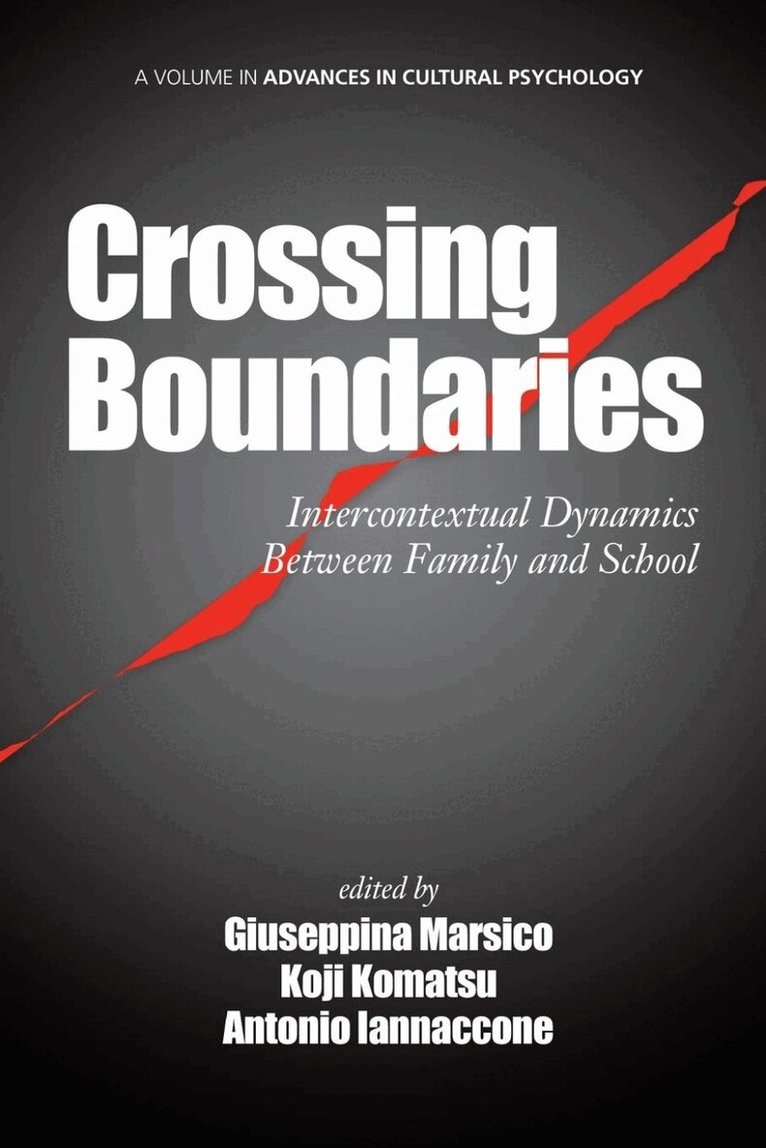
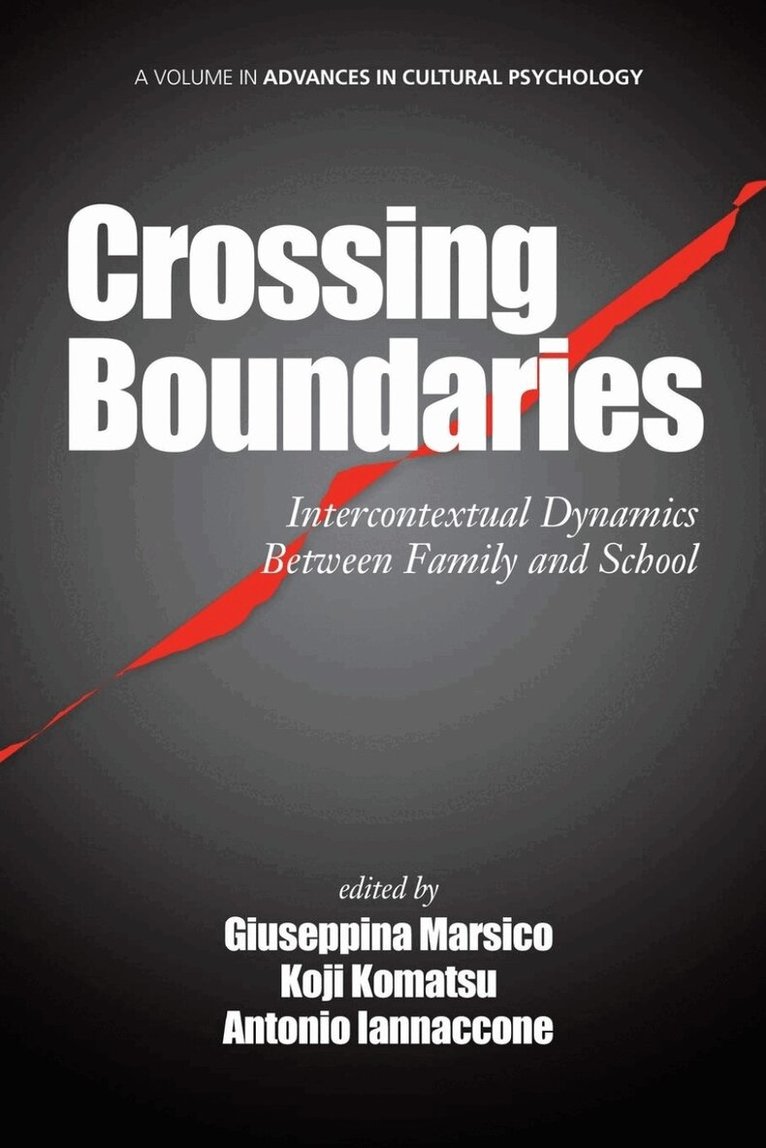
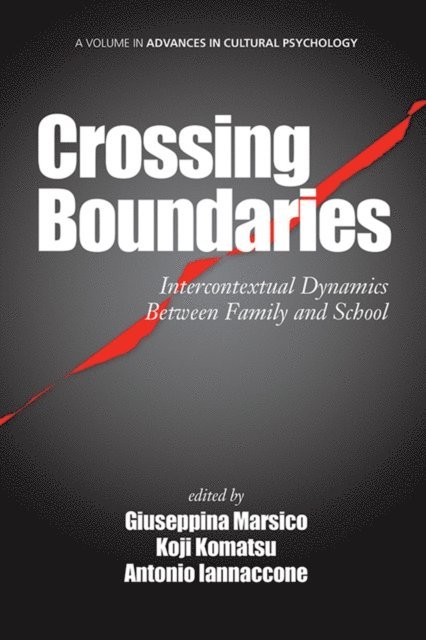
This book brings in the focus on the borders between different contexts that need to be crossed, in the process of education.
Despite the considerable efforts of various groups of researchers all over the World, it does not seem that traditional educational psychology has succeeded in illuminating the complex issues involved in the schoolfamily relationship. From a methodological perspective, there is no satisfactory explanation of the connection between representations and actual practice in educational contexts.
Crossing Boundaries is an invitation to cultural psychology of educational processes to overcome the limits of existing educational psychology.
Eemphasizing social locomotion and the dynamic processes, the book try to capture the ambiguous richness of the transit from one context to another, of the symbolic perspective that accompanies the dialogue between family and school, of practices regulating the interstitial space between these different social systems.
How family and school fill, occupy, circulate, avoid or strategically use this space in between? What discourses and practices saturate this Border Zone and/or cross from one side to the other?
Crossing Boundaries gathers contributions with the clear aim of documenting and analysing what happens at points of contact between family culture and scholastic/educational culture from the perspective of everyday life.
This book is in itself an attempt to cross the border between the "theorizing on the borders" (and how “the outside world” and “the others” are perceived from a certain point of view) and “the practices" that characterize the school-home interaction.
581 kr
Läs direkt efter köp

738 kr
Läs direkt efter köp
224 kr
Skickas inom 10-15 vardagar
584 kr
Skickas inom 7-10 vardagar
1 090 kr
Skickas inom 7-10 vardagar
515 kr
Läs direkt efter köp
This volume attempts to delineate the construction of the self in institutional settings of the contemporary world, with the topics ranging from young children to adults and from the micro level to the macro level of human development. The chapters focus on the activities or practices that characterize institutional settings, stressing their dialogical nature that enables understanding human development and the self as what emerge from the dialectic tension of these events—that is, conflicts or contradictions.
Discussions included in this volume are different from the principal ways of evaluating institutions in the modern world—i.e., quantitative reports of achievements or merits—but strongly promote further dialogue among researchers and practitioners. This volume offers a new perspective to anyone who are interested in how we psychologically and socially develop in contemporary society, including teachers or practitioners who actually work with children and youths.