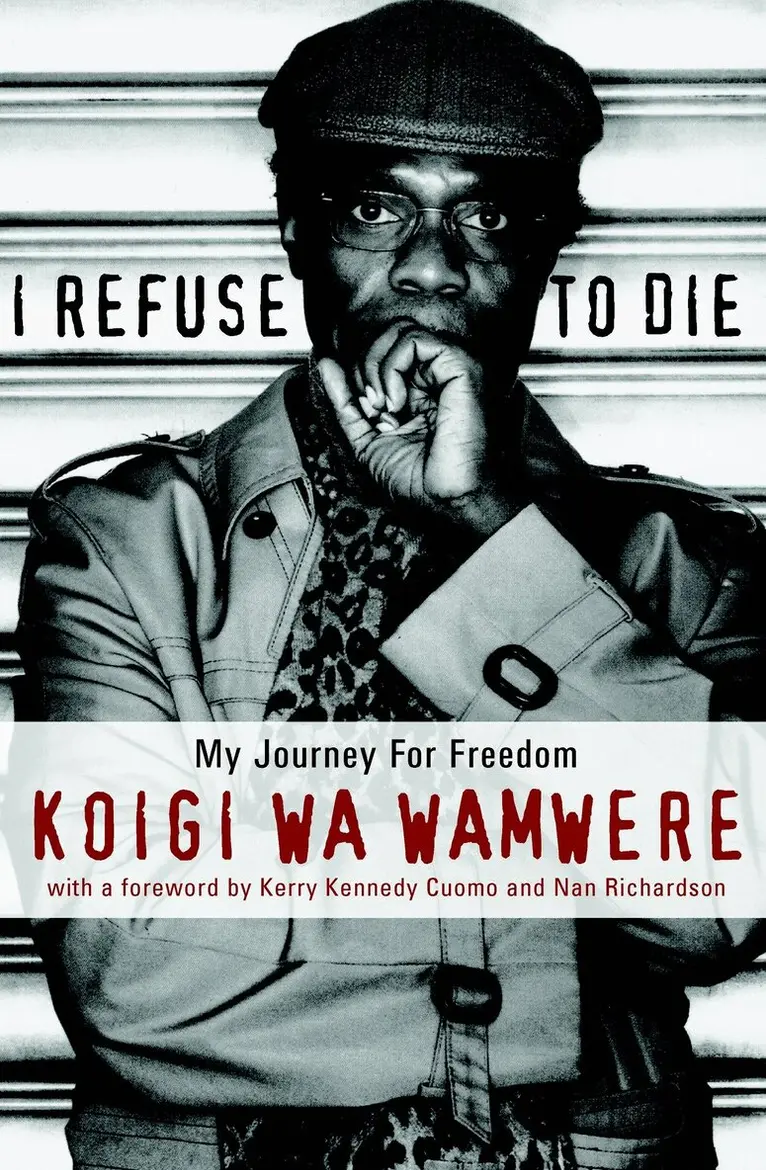
Introduction by Kerry Kennedy Cuomo In this startlingly direct autobiography, Kenyan human rights activist Koigi wa Wamwere documents the brutality of the colonial years, speaking of the physical and emotional abuse his parents and others suffered at the plundering hands of the British. Offering a historical, personal account of the major events in recent Kenyan politics, he tells how in 1979 he won a seat in the parliament, only to be imprisoned and tortured by the Kenyatta and Moi regimes for more than 13 years. A history filled with pain, insight and burning hope.
An extraordinary account of how a laborer's son rose to challenge the power of despots, I Refuse to Die is both the autobiography of one gifted man who rose above the horrors of colonization, and an uncensored history of modern Kenya. The book is infused with the freedom songs of the Kenyan people, as well as dream prophecy and folk tales that are part of Kenya's rich storytelling tradition. Tracing the roots of the Mau Mau rebellion, wa Wamwere follows the evolution and degeneration of Jomo Kenyatta and the rise of Daniel arap Moi.In 1979, wa Wamwere won a seat in the parliament, where he represented the economically depressed Nakuru district for three years. An outspoken activist and journalist, wa Wamwere was framed and detained on three separate instances, spending thirteen years in prison, where he was tortured but not broken. His mother and others led a hunger strike to free him and fellow political prisoners. Their efforts brought about a show trial at which Koigi was sentenced to four more years in prison and "six strokes of the cane," and escaped Kenya—and probably execution—only through the exertions of human rights groups and the government of Norway.
An extraordinary account of how a laborer''s son rose to challenge the power of despots, I Refuse to Die is both the autobiography of one gifted man who rose above the horrors of colonization, and an uncensored history of modern Kenya. The book is infused with the freedom songs of the Kenyan people, as well as dream prophecy and folk tales that are part of Kenya''s rich storytelling tradition. Tracing the roots of the Mau Mau rebellion, wa Wamwere follows the evolution and degeneration of Jomo Kenyatta and the rise of Daniel arap Moi.In 1979, wa Wamwere won a seat in the parliament, where he represented the economically depressed Nakuru district for three years. An outspoken activist and journalist, wa Wamwere was framed and detained on three separate instances, spending thirteen years in prison, where he was tortured but not broken. His mother and others led a hunger strike to free him and fellow political prisoners. Their efforts brought about a show trial at which Koigi was sentenced to four more years in prison and "six strokes of the cane," and escaped Kenya—and probably execution—only through the exertions of human rights groups and the government of Norway.
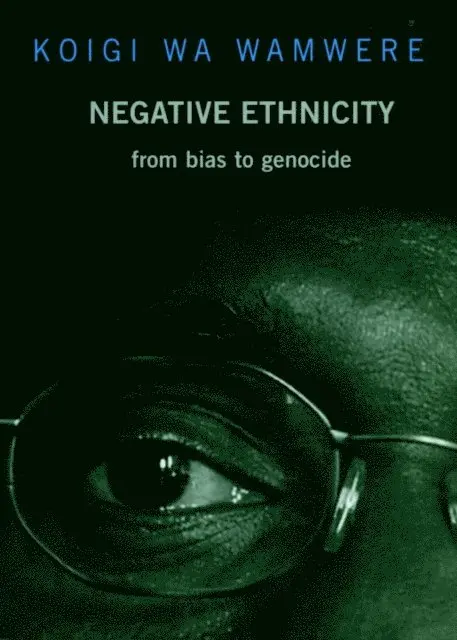
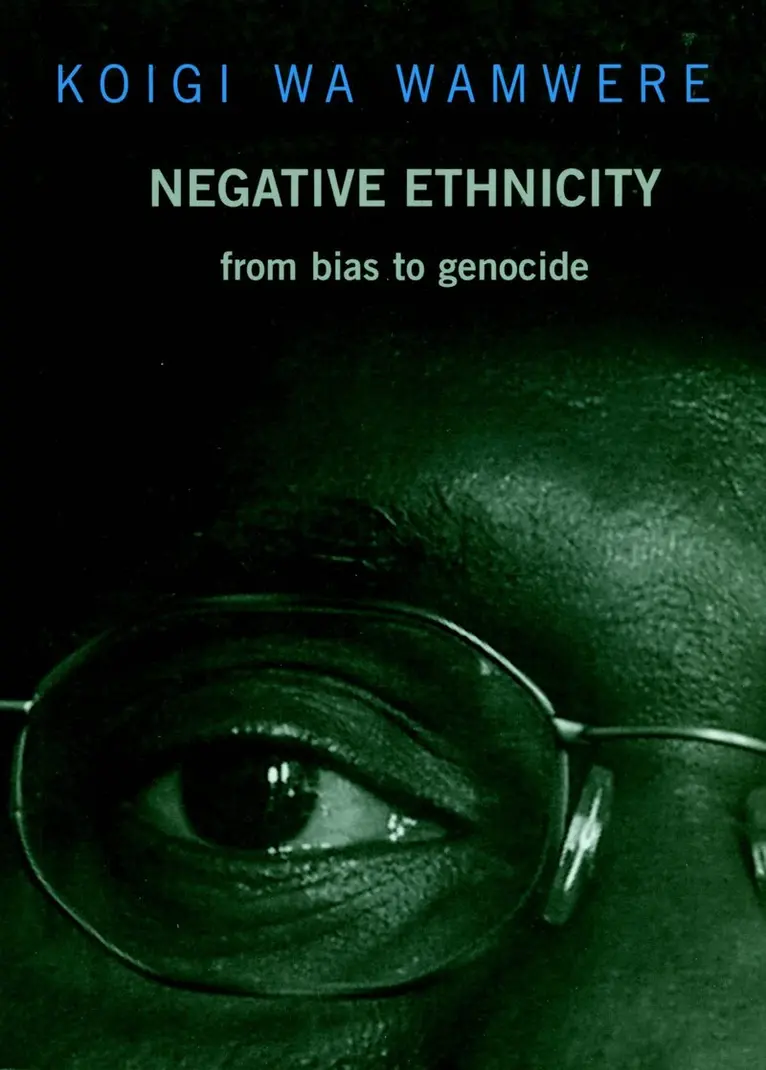
"Negative ethnicity" is Koigi wa Wamwere’s name for the deep-seated tensions in Africa that the world has seen flare so terrifyingly. The genocide in Rwanda and "ethnic" killing in the Democratic Republic of Congo, Nigeria, and elsewhere stand out as examples. Wa Wamwere argues that these clashes cannot properly be described as ethnically motivated; ethnicity, a positive distinction, has nothing of the hatred here at work. Negative Ethnicity gives a new picture of the force behind untold deaths on the continent, dispelling the myth of an intractable conflict waged along simple, ancient lines.Negative Ethnicity explains the roots, colonial and pre-colonial, of the current "ethnic" tensions. It goes on to describe how, for most Africans, ethnic identity is ambiguous, and analyzes why that fact is obscured. The culprits are many: chronic poverty, a broken education system, preying dictators, corrupt officials, the colonial legacy of hate, the ongoing exploitation of the West.Negative Ethnicity is both a history and a manual for change, intended to introduce Westerners to the crisis and to give Africans a new understanding of it. Perhaps never before has the problem been addressed with such clarity and insight.
"Negative ethnicity" is Koigi wa Wamwere’s name for the deep-seated tensions in Africa that the world has seen flare so terrifyingly. The genocide in Rwanda and "ethnic" killing in the Democratic Republic of Congo, Nigeria, and elsewhere stand out as examples. Wa Wamwere argues that these clashes cannot properly be described as ethnically motivated; ethnicity, a positive distinction, has nothing of the hatred here at work. Negative Ethnicity gives a new picture of the force behind untold deaths on the continent, dispelling the myth of an intractable conflict waged along simple, ancient lines.Negative Ethnicity explains the roots, colonial and pre-colonial, of the current "ethnic" tensions. It goes on to describe how, for most Africans, ethnic identity is ambiguous, and analyzes why that fact is obscured. The culprits are many: chronic poverty, a broken education system, preying dictators, corrupt officials, the colonial legacy of hate, the ongoing exploitation of the West.Negative Ethnicity is both a history and a manual for change, intended to introduce Westerners to the crisis and to give Africans a new understanding of it. Perhaps never before has the problem been addressed with such clarity and insight.