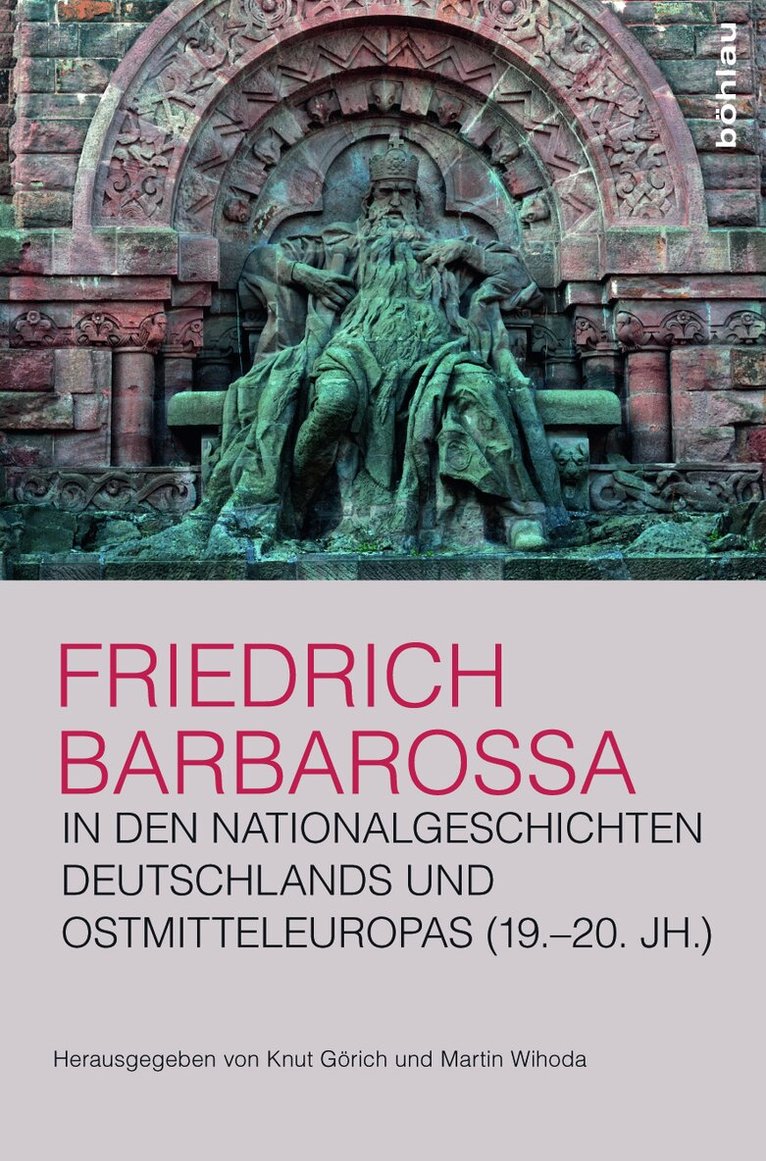
Manche Kapitel der mittelalterlichen Geschichte des Reichs und des slawischen Ostmitteleuropas waren lange Zeit in besonderem Maße der nationalen Sinnstiftung verpflichtet: sie schienen die Konfliktlagen vorwegzunehmen, in denen sich die Nationalstaaten des 19. und 20. Jahrhunderts bewegten. Während der langen Regierungszeit des Staufers Friedrich I. Barbarossa gab es sowohl friedliche wie auch kriegerische Anlässe, Beziehungen besonderer Art zwischen dem Reich, den Přemysliden in Böhmen und den piastischen Herrschern in Polen anzuknüpfen. Die Deutung dieser historischen Sachverhalte ist bis in die Gegenwart von den Traditionen und dominierenden Geschichtsbildern der jeweiligen Nationalgeschichte stark beeinflusst. Die narrative Erzeugung der Nationen seit dem 19. Jahrhundert verlangte eine national bewertete und staatlich konzipierte Darstellung des historischen Geschehens auch und gerade des Mittelalters. Dieser Band versammelt Beiträge deutscher, polnischer und tschechischer Historiker, die 2015 in Brno/Brünn nach Stellenwert, Bedeutung und Instrumentalisierung des ersten Stauferkaisers in der deutschen und ostmitteleuropäischen Historiographie des 19. und 20. Jahrhunderts fragten.
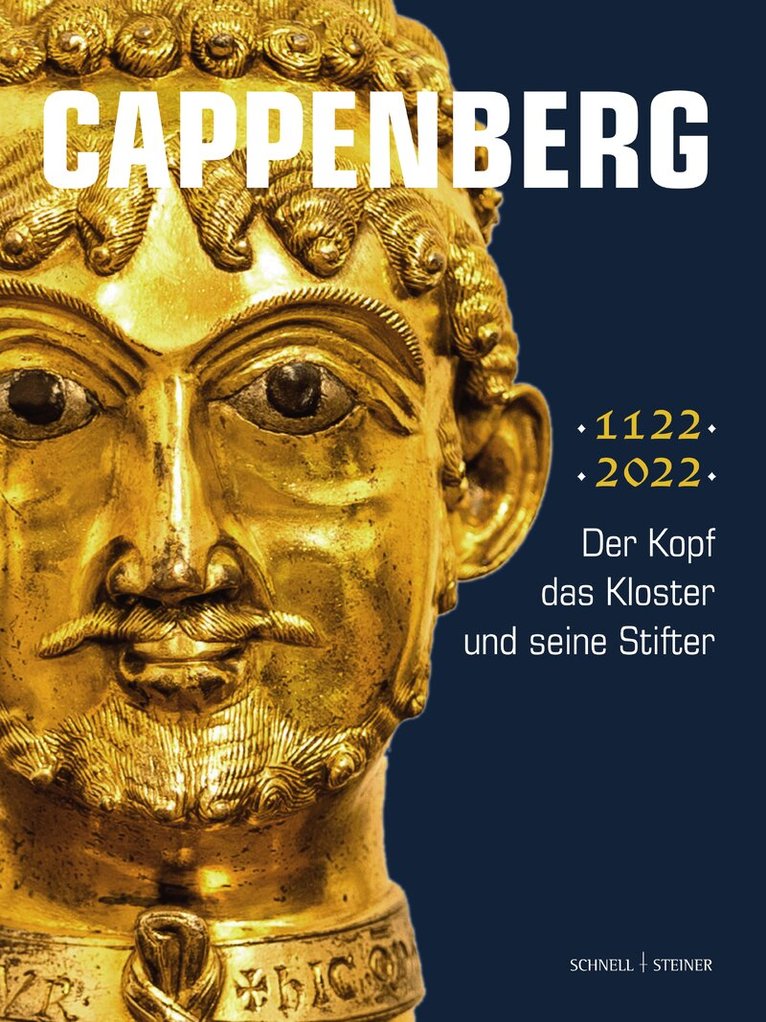
The so-called Cappenberger Barbarossakopf is one of the most famous and well-known monuments of 12th century art. It is now kept in the former monastery church of the Premonstratensian monastery of Cappenberg, the collegiate church of St. John the Evangelist. This book sheds new light on the importance of Cappenberg for the spread of the Premonstratensians, but above all it explains the origin, function and significance of the Cappenberg head.The head raises many questions: Who does the head actually represent? What is its liturgical function? How can the head be historically contextualized? How can the identification of the head with the Hohenstaufen Emperor Frederick Barbarossa be explained? Does this attribution still hold true? A conference in Cappenberg in 2019 attempted to answer these questions; this book publishes the papers presented at that conference.The head has long been regarded as a portrait of the Hohenstaufen Emperor Frederick I Barbarossa (1122–1190). However, previously unpublished results of a material engineering investigation from 1977/78 require a new definition of the context in which the work was created. What are the consequences for the understanding of the head? In addition to the consistent reference to the object, the foundation of the Premonstratensian monastery of Cappenberg is the focus of many of the contributions to the book. What influence did Otto von Cappenberg’s godparenthood of Friedrich Barbarossa have on the furnishings of the monastery? The contributions shed new light on the importance of Cappenberg for the spread of the Premonstratensians.