486 kr
Läs direkt efter köp
486 kr
Läs direkt efter köp
886 kr
Läs direkt efter köp
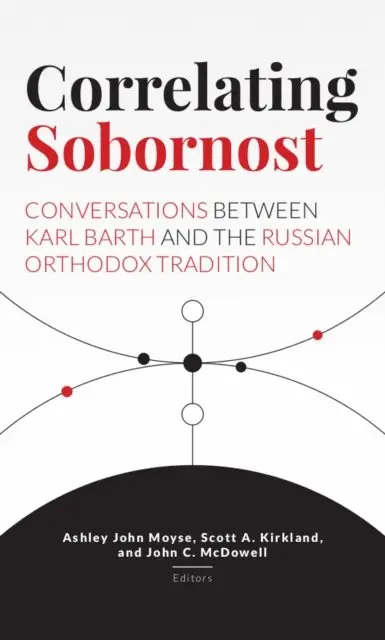
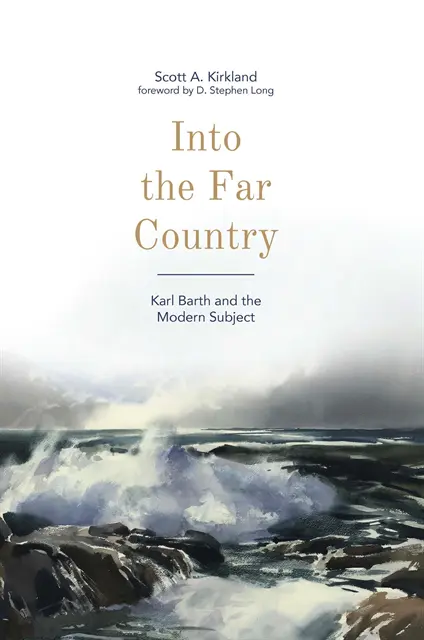
The diaspora of scholars exiled from Russia in 1922 offered something vital for both Russian Orthodoxy and for ecumenical dialogue. Under new conditions, liberated from scholastic academic discourse, and living and writing in new languages, the scholars set out to reinterpret their traditions and to introduce Russian Orthodoxy to the West. Yet, relatively few have considered the works of these exiles, particularly insofar as they act as critical and constructive conversation partners. This project expands upon the relatively limited conversation between such thinkers with the most significant Protestant theologian of the last century, Karl Barth. Through the topic and in the spirit of sobornost, this project charters such conversation. The body of Russian theological scholarship guided by sobornost challenges Barth, helping us to draw out necessary criticism while leading us toward unexpected insight, and vice versa. Going forward, this volume demonstrates that there is space not only for disagreement and criticism, but also for constructive theological dialogue that generates novel and creative scholarship. Accordingly, this collection will not only illuminate but also stimulate interesting and important discussions for those engaged in the study of Karl Barths corpus, in the Orthodox tradition, and in the ecumenical discourse between East and West.
474 kr
Läs direkt efter köp
199 kr
Läs direkt efter köp
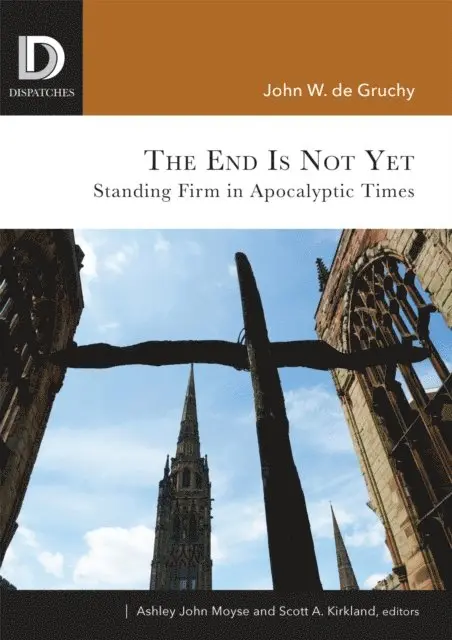
The title of this book comes from Matthew‘s Gospel: "You will hear of wars and rumors of wars; see that you are not alarmed; for this must take place, but the end is not yet. . . . There will be famines and earthquakes in various places: all this is but the beginning of the birth pangs." (24:6-8). This locates The End Is Not Yet within popular religious rhetoric about the "end time" and more sophisticated theological discourse on eschatology or Christian hope for a better world premised on faith in God. But is such faith still justified? And if so, how are we to describe and embody it in the life of the world? The framework of the book is the current global historical context with a particular focus on the West, and especially the political and social issues that have been highlighted by the election of Donald Trump. Among these are totalitarianism and democracy, right-wing nationalism, apocalypticism and patriotism, globalization and economic injustice, terrorism and warmongering, and political and prophetic leadership.
167 kr
Läs direkt efter köp
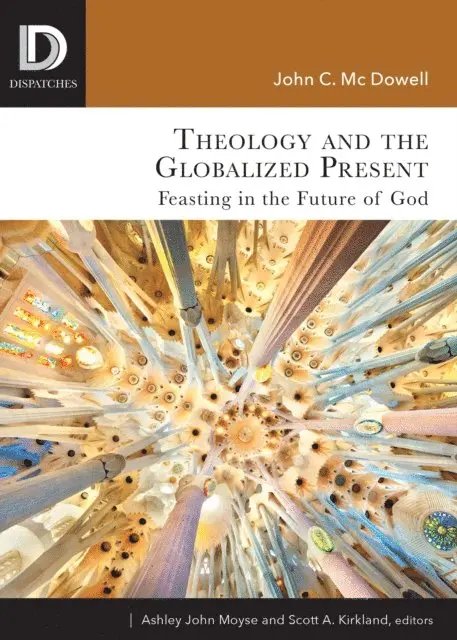
Theology and the Globalized Present focuses on the world''s future in God and God''s creativeness. In response to a globalized economy that reconfigures time to the detriment of human flourishing, McDowell presents a re-imagined theological vision of eschatological memory and Eucharistic performance. This entails not so much a dreaming of a different world as a dreaming of this world differently. The theological materials offer a temporality that is hope-generating, critically attentive to the inequitable character of features of our world, and educative of ethical wisdom in a self-regulating and emancipatory witness of remembering and anticipating the transformative presence of God.
215 kr
Läs direkt efter köp
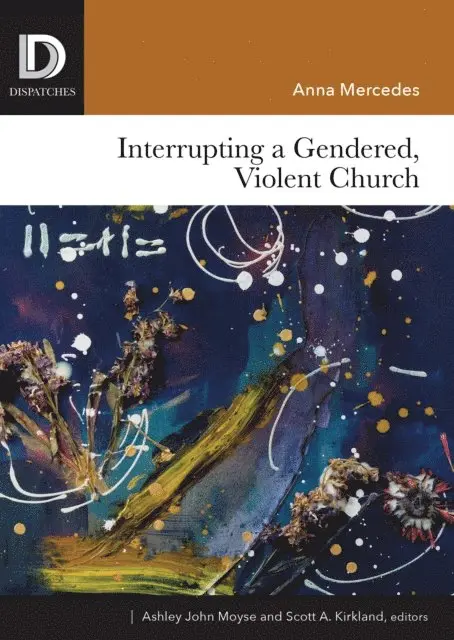
This project brings readers into conversation at the intersections of gender studies and Christian theology--particularly diverse feminist and queer theologies. Interrupting a Gendered, Violent Church develops over three parts to an extended essay that points to the real ways churches foster violence around gender. This volume discusses this violent reality while also exploring church as a nexus for resistance to gender-based violence and sketches the contours of a Christian theology mapped apart from patriarchal heteronormativity's hold on late modern Christian life.
The goal of the Dispatches series is to offer a genuinely creative and disruptive theological-ethical ressourcement for church in the present moment. Volumes illuminate and explore, creatively and concisely, the implications and relevance of theology for the global crises of late modernity. Our authors have been invited to introduce succinct and provocative arguments intended to provoke dialogue and exchange of ideas, while setting in relief the implications of theology for political and moral life.
167 kr
Läs direkt efter köp
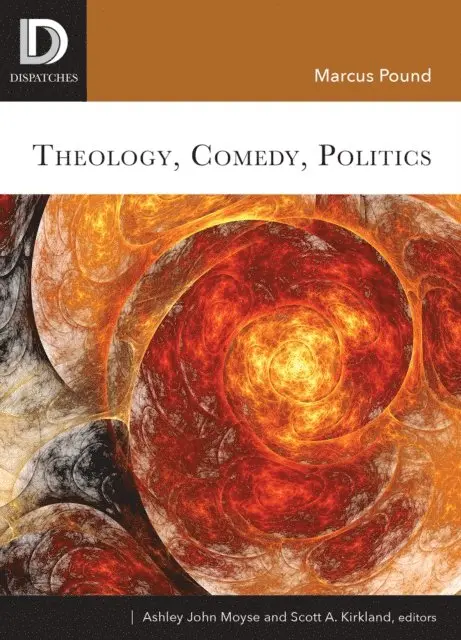
What relevance has comedy for the global crises of late-modernity and the theological critique thereof? Coming out of the experience of war, a generation of modern theologians such as Donald MacKinnon, Hans Urs von Balthasar, and, more recently, Rowan Williams, in their accommodation to literature, choose tragedy as the paradigm for theological understanding and ethics. By contrast, this book develops recent philosophical, anthropological, and psychoanalytical studies of humor to develop a theology of comedy. By deconstructing secular accounts of comedy it advances the argument that comedy is not only participatory of the divine, but that it should inform our thinking about liturgical, sacramental, and ecclesial life if we are to respond to the postmodern age in which having fun is an ideological imperative of market forces.
167 kr
Läs direkt efter köp
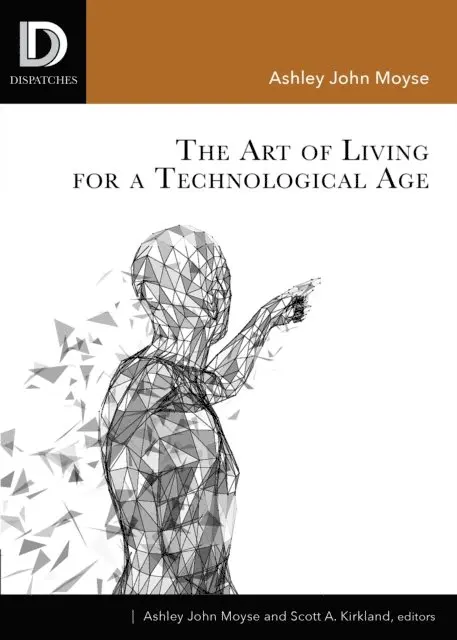
The Art of Living for A Technological Age sketches the crisis of our late modern age, where persons are enamored by the promises of progress and disciplined to form by the power of technology--the ontology of our age. Yet, it also offers a response, attending to those performative activities, educative and transformative social practices that might allow us to live humanly and bear witness to human being (becoming) for a technological age. As such, it is an exemplary example of the goals and outcomes of the Dispatches series, the individual volumes of which draw on diverse theological resources in order to offer urgent responses to contemporary crises. Authors in the series introduce succinct and provocative arguments intended to provoke dialogue and exchange of ideas, while setting in relief the implications of theology for political and moral life.