2 526 kr
Skickas inom 10-15 vardagar
2 526 kr
Skickas inom 10-15 vardagar
813 kr
Läs direkt efter köp
Most of South Asia’s tourism is based upon the region’s pervasive religious heritage. This book provides a descriptive and conceptual examination of religious heritage in South Asia and how this tangible and intangible heritage is utilized as one of the region’s most significant tourism assets.
The book covers the living and built cultural heritage of South Asia’s main religions, both those that originated in the region and those introduced from outside. In particular, it focuses on the cultural past and present of Hinduism, Islam, Buddhism, Sikhism, Jainism, and Christianity, as well as other spiritualities and faith traditions that combine to create a unique and engaging religious heritagescape, which is a crucial part of the tourism product in all seven countries of the region. Pilgrimage mobilities, religious tourism, spiritual architecture and built environments, tantric practices, marketing and management principles and challenges, heritage development, market demand, conservation, death and dying, sacred geographies, and many other principles form the core of the book.
This collection of essays and cases aims to provide native perspectives on the challenges and opportunities of religious tourism in South Asia. As such, it appeals to researchers and upper-level students of tourism, geography, religious and heritage studies, anthropology, and South Asian studies.
826 kr
Läs direkt efter köp
Most of South Asia’s tourism is based upon the region’s pervasive religious heritage. This book provides a descriptive and conceptual examination of religious heritage in South Asia and how this tangible and intangible heritage is utilized as one of the region’s most significant tourism assets.
The book covers the living and built cultural heritage of South Asia’s main religions, both those that originated in the region and those introduced from outside. In particular, it focuses on the cultural past and present of Hinduism, Islam, Buddhism, Sikhism, Jainism, and Christianity, as well as other spiritualities and faith traditions that combine to create a unique and engaging religious heritagescape, which is a crucial part of the tourism product in all seven countries of the region. Pilgrimage mobilities, religious tourism, spiritual architecture and built environments, tantric practices, marketing and management principles and challenges, heritage development, market demand, conservation, death and dying, sacred geographies, and many other principles form the core of the book.
This collection of essays and cases aims to provide native perspectives on the challenges and opportunities of religious tourism in South Asia. As such, it appeals to researchers and upper-level students of tourism, geography, religious and heritage studies, anthropology, and South Asian studies.
1 558 kr
Skickas inom 11-20 vardagar
1 673 kr
Läs direkt efter köp
1 673 kr
Läs direkt efter köp
1 594 kr
Skickas inom 7-10 vardagar
449 kr
Läs direkt efter köp
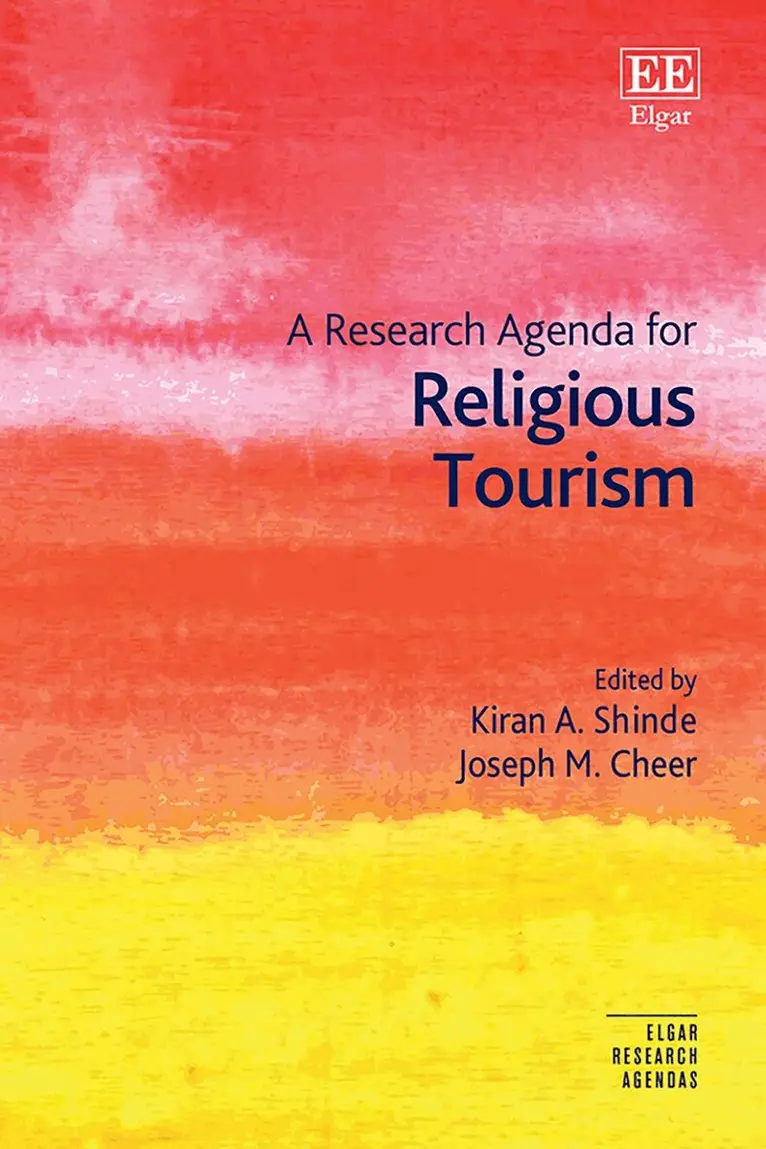
Incisive and interdisciplinary, this Research Agenda broaches topics that have been under-researched within religious tourism, including: place attachment and marketing; memory and modification of sacred landscapes for tourism needs; the darker sides of religious tourism; multi-stakeholder governance; mission-trips; and allied forms of tourism.
With contributions from top scholars, the book includes cases from across Europe and Asia, exploring pilgrimage sacred landscapes for different religions. Building on emerging themes including the importance of governance, conflicts associated with pilgrimage and religious tourism, gender and gendered dimensions, resilience in the wake of the recent pandemic, and newer ways of performing religious tourism such as virtual reality, it sets a research agenda for future inquiry.
This thought-provoking Research Agenda will be a valuable resource for scholars of tourism, human geography, heritage studies, anthropology, and religious studies.