This guide to Finnegans Wake is the first to focus exclusively on the multiple meanings and voices in Joyce''s notoriously intricate diction--the Wake''s central experimental technique. Renowned Joyce scholars explore the polyvocality of individual chapters using game theory, ecocriticism, psychoanalysis, historicism, myth, philosophy, genetic studies, feminism, and other critical frameworks. They set in motion cross-currents and radiating structures of meaning that permeate the entire text and open up satisfying readings of the Wake for novices and seasoned readers alike.
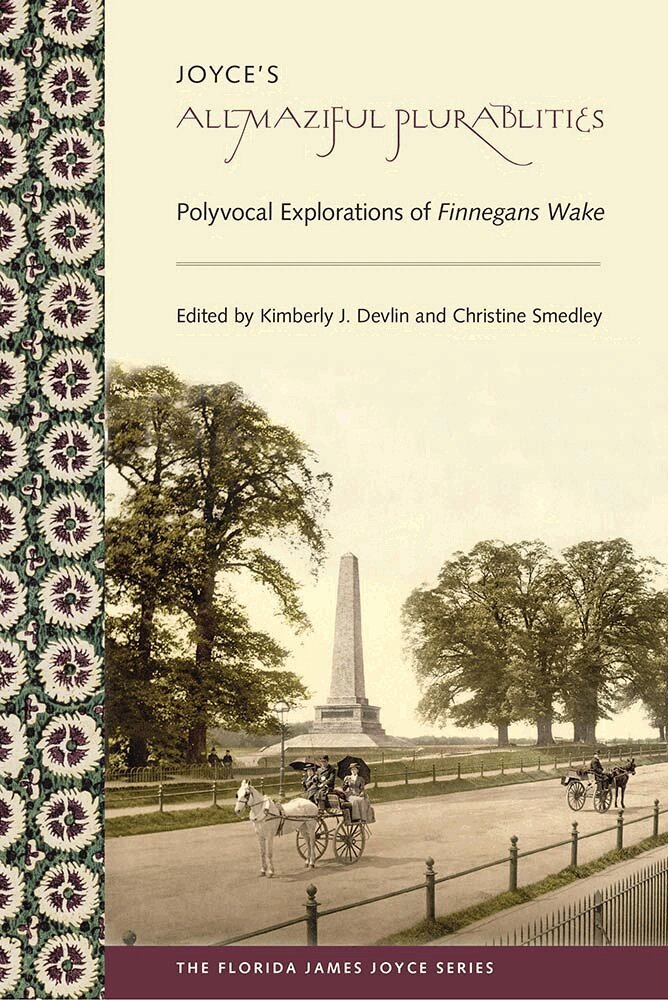
This guide to Finnegans Wake is the first to focus exclusively on the multiple meanings and voices in Joyce’s notoriously intricate diction - the Wake’s central experimental technique. Renowned Joyce scholars explore the polyvocality of individual chapters using game theory, ecocriticism, psychoanalysis, historicism, myth, philosophy, genetic studies, feminism, and other critical frameworks. They set in motion cross-currents and radiating structures of meaning that permeate the entire text and open up satisfying readings of the Wake for novices and seasoned readers alike.
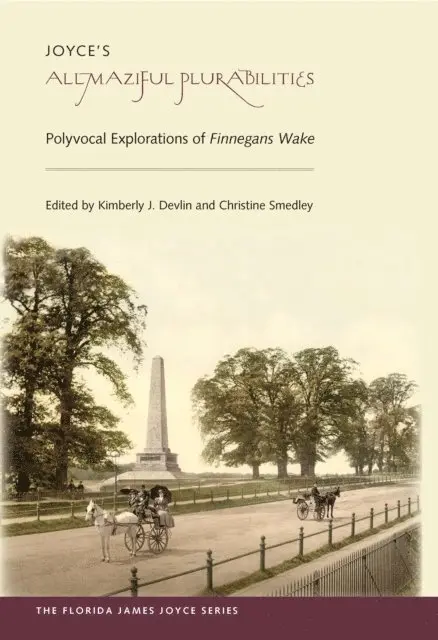
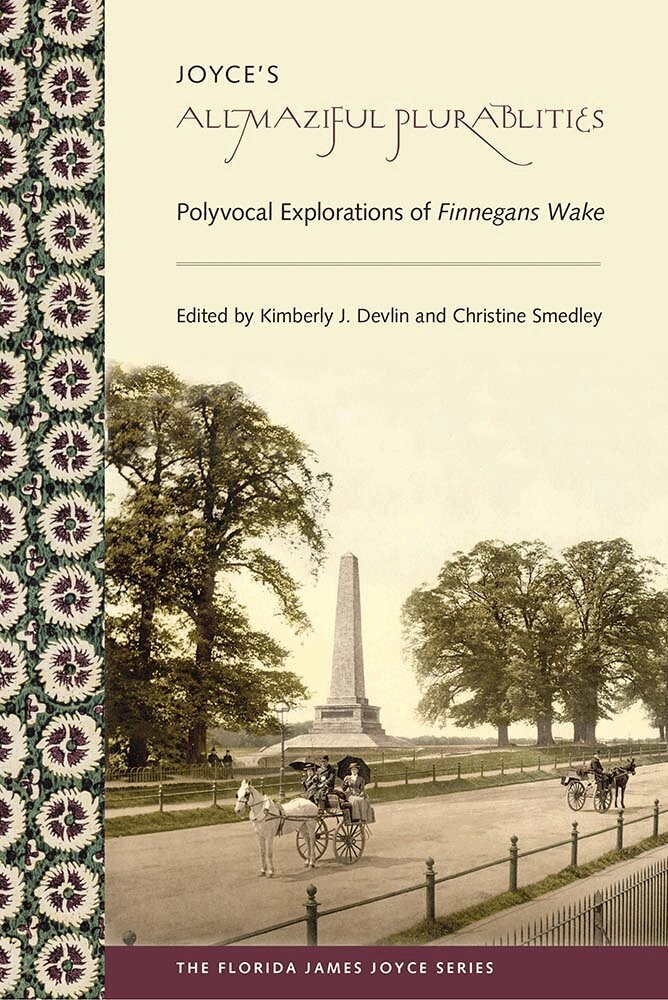
“A brilliantly collaged snapshot of the variety and wealth of literary criticism, and Joyce studies, today.”—Tony Thwaites, author of Joycean Temporalities “Celebrates the multiplicity and sheer rampant excess of Joyce’s prodigally polysemous text with seventeen different scholars employing a likewise prodigal range of critical methodologies.”—Patrick O’Neill, author of Impossible Joyce: Finnegans Wakes “Each of the scholars involved is at the top of his and her game. Their commitment and excitement about the task at hand is evident on virtually every page. This book makes the Wake relevant and accessible to a whole new generation of readers.”—Garry Leonard, author of Advertising and Commodity Culture in Joyce This is the first Finnegans Wake guide to focus exclusively on the multiple meanings and voices in Joyce’s notoriously intricate diction. Rather than leveling the text it illuminates many layers of puns, wordplay, and portmanteaus, celebrating the Wake’s central experimental technique. Renowned Joyce scholars explore the polyvocality of individual chapters using game theory, ecocriticism, psychoanalysis, historicism, myth, philosophy, genetic studies, feminism, and other critical frameworks. They set in motion cross-currents and radiating structures of meaning that permeate the entire text and open up satisfying readings of the Wake for novices and seasoned readers alike.A volume in the Florida James Joyce Series, edited by Sebastian D. G. Knowles
This is the first Finnegans Wake guide to focus exclusively on the multiple meanings and voices in Joyce’s notoriously intricate diction. Rather than leveling the text it illuminates many layers of puns, wordplay, and portmanteaus, celebrating the Wake’s central experimental technique.Renowned Joyce scholars explore the polyvocality of individual chapters using game theory, ecocriticism, psychoanalysis, historicism, myth, philosophy, genetic studies, feminism, and other critical frameworks. They set in motion cross-currents and radiating structures of meaning that permeate the entire text and open up satisfying readings of the Wake for novices and seasoned readers alike.
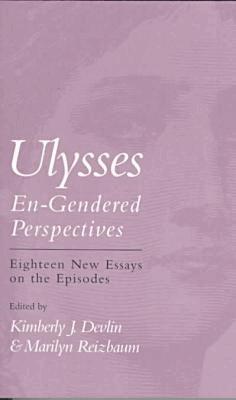
A collection of 18 essays, each of which offers commentary on one of the episodes in ""Ulysses"". Throughout, the common critical concern is with varying articulations of ""femininities"" and ""masculinities"" in Joyce's modernist epic. Each contributor attends to the extensive and various markings of gender in ""Ulysses"" and examines the ways in which such markings generate and en-gender other meanings. Gender is treated as a form of overwriting, in senses that include both excess and layering. In this collection the differentiations of ""masculine"" and ""feminine"", their definitions and elaborations, are approached in multiple ways and in changing contexts. Familial roles, labour assignments, perceptual modes, colonialist categories, sexualities, ethnicities, ways of knowing and learning, scents, tastes and eating habits are but a few of the cultural phenomena the scholars explore. The essays are also responsive to influential trends such as historicism, psychoanalysis and culture critique.
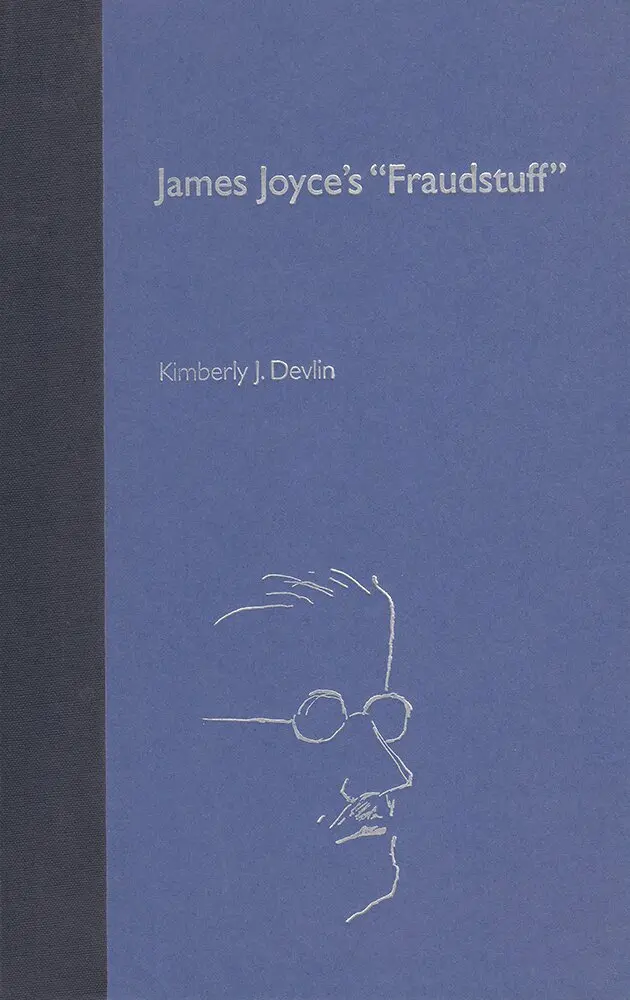
In James Joyce's ""Fraudstuff,"" Kimberly Devlin considers Stephen Hero in illuminating juxtaposition to the developing artistic subject portrayed in Portrait and Ulysses. By tracing the concepts of ""fraudulence"" and ""inauthenticity"" in Joyce, Devlin reveals his increasingly sophisticated exploration of modern identity from Stephen Hero to Finnegans Wake. Devlin examines Joyce's continual rethinking of what it means to have a ""self,"" of the acting that passes as being. She demonstrates how Joyce explored the various ways identity is constructed, sustained, subverted, and dissolved. Whereas Stephen Hero presents a narrator who feels authentic compared to the fraudulence all around him, the Stephen of Portrait becomes aware of how his own identity is a pastiche of borrowed narratives and his actions a series of posturings. Moving deftly from Stephen Hero, to Portrait, to Ulysses and Finnegans Wake, Devlin traces Joyce's increasing interest in and experimentation with the theatrical props that support identity, from his early concern with moments of epiphanic truth and authentic insight to an obsessive celebration of selfhood as imposture and fraud - and as an ultimately unknowable entity. Building on studies of the performative dimension of selfhood, Devlin demonstrates that Joyce grew increasingly skeptical about locating a core of being, and she explores his ""Fraudstuff"" in an array of forms: mimetic identifications, female masquerade, male parade, trans-gender impersonations, verbal mimicry, and police fantasies that induce elaborate posturings. In a refreshingly clear application of Lacanian theory, she also shows how modern identity, for Joyce, is based on the imagined gaze of the ""Other."" Her sophisticated, nonreductive application of contemporary psychoanalytic theory to Joyce's preoccupation with identity will challenge established Joyce scholars and will appeal broadly to scholars and students of literary modernism.
A collection of 18 essays, each of which offers commentary on one of the episodes in ""Ulysses"". Throughout, the common critical concern is with varying articulations of ""femininities"" and ""masculinities"" in Joyce's modernist epic. Each contributor attends to the extensive and various markings of gender in ""Ulysses"" and examines the ways in which such markings generate and en-gender other meanings. Gender is treated as a form of overwriting, in senses that include both excess and layering. In this collection the differentiations of ""masculine"" and ""feminine"", their definitions and elaborations, are approached in multiple ways and in changing contexts. Familial roles, labour assignments, perceptual modes, colonialist categories, sexualities, ethnicities, ways of knowing and learning, scents, tastes and eating habits are but a few of the cultural phenomena the scholars explore. The essays are also responsive to influential trends such as historicism, psychoanalysis and culture critique.