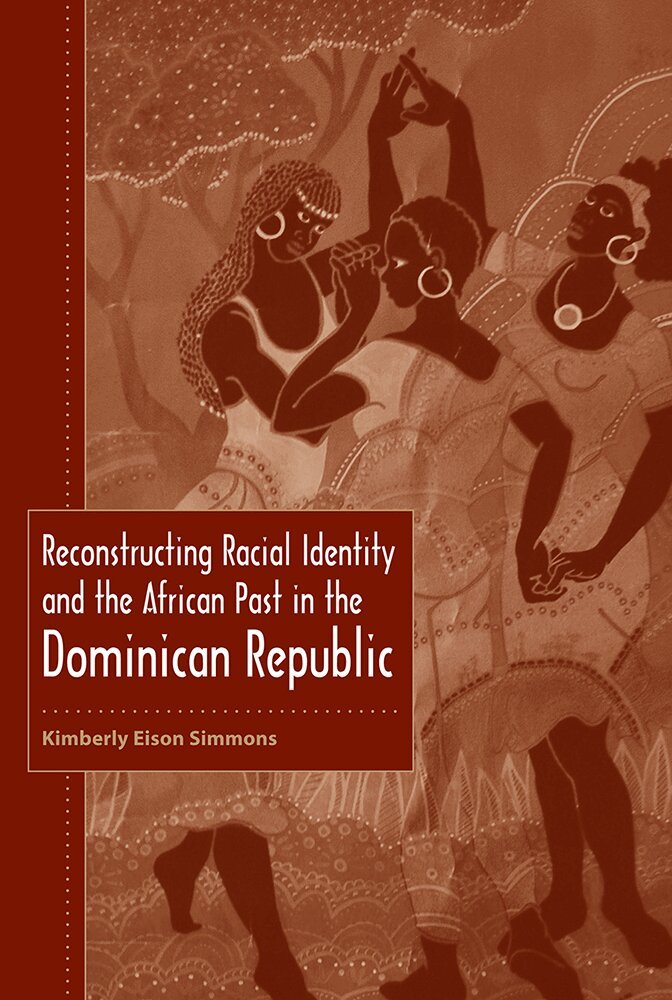
In Latin America and the Caribbean, racial issues are extremely complex and fluid, particularly the nature of 'blackness.' What it means to be called black is still very different for an African American living in the United States than it is for an individual in the Dominican Republic with an African ancestry. Racial categories were far from concrete as the Dominican populace grew, altered, and solidified around the present notions of identity. Kimberly Simmons explores the fascinating socio-cultural shifts in Dominicans' racial categories, concluding that Dominicans are slowly embracing blackness and ideas of African ancestry. Simmons also examines the movement of individuals between the Dominican Republic and the United States, where traditional notions of indio are challenged, debated, and called into question. How and why Dominicans define their racial identities reveal shifting coalitions between Caribbean peoples and African Americans, and proves intrinsic to understanding identities in the African diaspora.
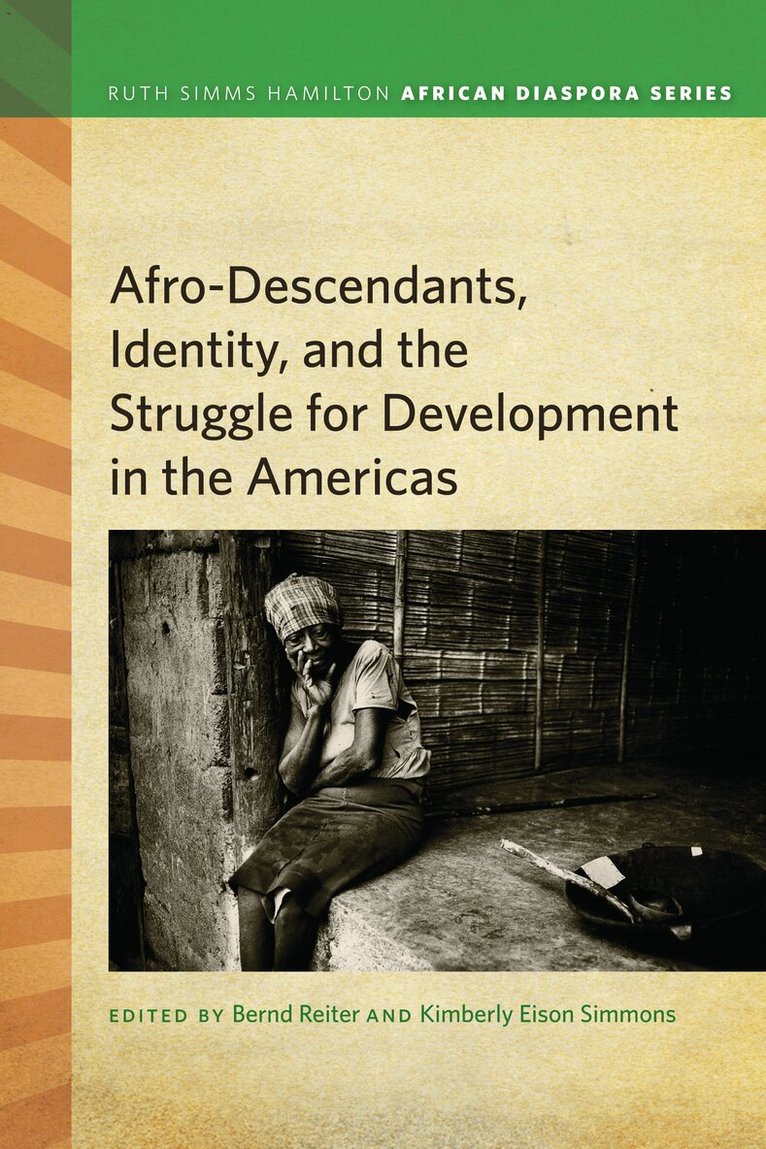
Indigenous people and African descendants in Latin America and the Caribbean have long been affected by a social hierarchy established by elites, through which some groups were racialized and others were normalized. Far from being “racial paradises” populated by an amalgamated “cosmic race” of mulattos and mestizos, Latin America and the Caribbean have long been sites of shifting exploitative strategies and ideologies, ranging from scientific racism and eugenics to the more sophisticated official denial of racism and ethnic difference. This book, among the first to focus on African descendants in the region, brings together diverse reflections from scholars, activists, and funding agency representatives working to end racism and promote human rights in the Americas. By focusing on the ways racism inhibits agency among African descendants and the ways African-descendant groups position themselves in order to overcome obstacles, this interdisciplinary book provides a multi-faceted analysis of one of the gravest contemporary problems in the Americas.