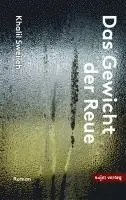
Khalil Sweilehs Roman "Gewicht der Reue" beleuchtet die Tragödie, die das syrische Volk in den letzten Kriegsjahren erlebt hat und die für jeden Menschen aus Syrien nichts als Schmerz bedeutet. Sweileh nimmt den Leser mit auf einen Streifzug durch das geschundene Damaskus. Er geht Erinnerungsspuren nach und stellt die seelischen Konflikte dar, die sich aus der Zerstörung von Ort und Gesellschaft ergeben. Im Zentrum steht dabei ein Mensch, der sich mit verpassten Gelegenheiten auskennt und der versucht, seine Dämonen zu zähmen. Der Protagonist richtet seine Worte an die alten Gassen von Damaskus, während er drei Frauen am Rande des Lebens folgt: einer Dichterin, einer ehemaligen politischen Gefangenen und einer bildenden Künstlerin. Allmählich entwickelt sich der Roman zu einer Biografie dieser Persönlichkeiten, enthüllt die lebendige Realität in all ihren sozialen Aspekten - die Auswirkungen des Krieges auf unterschiedliche Figuren werden offenbar. Zugleich handelt es sich um einen Liebesroman im Schatten der Zerstörung, inmitten der täglichen Hölle, der Todesnachrichten und der offenen Rechnungen des Hasses, in der unbeschwerte Beziehungen nicht gedeihen können und die Liebe zum Scheitern verurteilt ist.
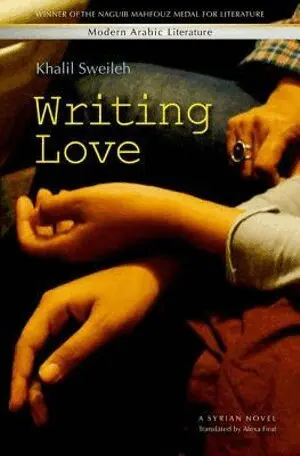
Then, she looked at me assiduously, “What is it that you do exactly?”I replied, savoring my last sip of coffee, with all the sass of a gypsy, “A novelist.”How to write a novel? Where to find inspiration? What is it that novels do for us? What is the nature of love? And most importantly, how and where to find it? Embarking on a literary and romantic journey, an aspiring novelist guides the reader through the streets of Damascus to bookstores, libraries, historical landmarks, cafés, and neighborhoods that carry the traces of history and the possibilities of the future. Mining the rich and divergent histories, narratives, texts, memories, and people that occupy the narrator’s mind and everyday life, Writing Love casts a critical eye on contemporary society and offers a playful testament to the tangential nature of writing and the many ways to fall in love.Writing Love was awarded the Naguib Mahfouz Medal for Literature.
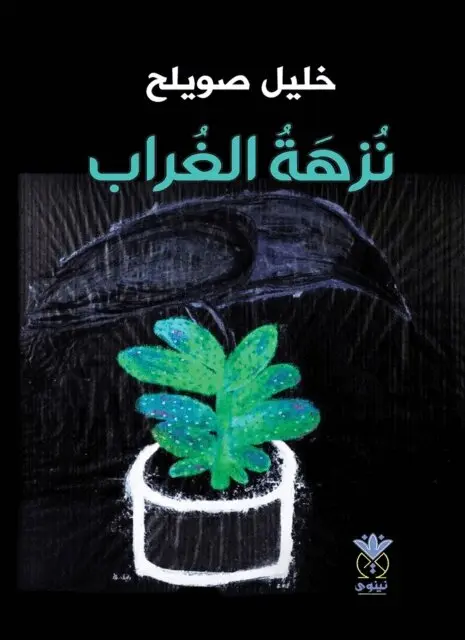
In the story of the flood, the raven is delayed in returning to Noah''s ark because of a carcass it encounters on its way, which it tangles with with its beak, neglecting its mission to deliver a telegram. Meanwhile, the dove fulfills its mission as a faithful mailman, with an olive branch in its beak, symbolizing the receding waters from the dry land. In the books we accumulate, we will come across many carcasses along the way. It is enough for us to smell the first few lines to discover that they are expired due to clumsiness, hatred, and ignorance. On the other hand, books have a secret perfume scent, seeping from a sudden phrase, from a vertical strike that destabilizes the writing, an aesthetic slap in the last line of the page, which you almost slipped off inadvertently. We must, therefore, beware of the aging of the senses in capturing the scent: the flapping of a raven''s wing, or that of a dove?