285 kr
Skickas inom 10-15 vardagar
285 kr
Skickas inom 10-15 vardagar
1 908 kr
Skickas inom 7-10 vardagar
768 kr
Skickas inom 10-15 vardagar
1 015 kr
Läs direkt efter köp
1 015 kr
Läs direkt efter köp
332 kr
Läs direkt efter köp
337 kr
Läs direkt efter köp
1 811 kr
Skickas inom 10-15 vardagar
590 kr
Skickas inom 10-15 vardagar
2 210 kr
Skickas inom 10-15 vardagar
556 kr
Skickas inom 10-15 vardagar
644 kr
Läs direkt efter köp
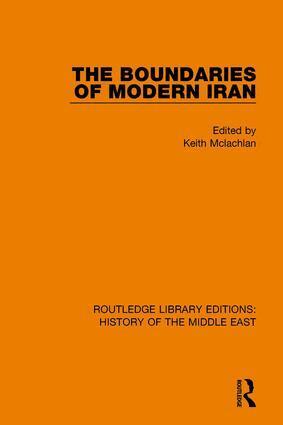
This book, first published in 1994, analyses the entire length of Iran’s international boundaries. It reviews the establishment, evolution and continuing contentions over Iranian frontier zones and boundary lines, from the creation of the Iranian nation state out of the diverse and dispersed areas of the Persian empire – a process that has given rise to many contemporary problems that spill over into dispute and conflict.
654 kr
Läs direkt efter köp
This book, first published in 1994, analyses the entire length of Iran’s international boundaries. It reviews the establishment, evolution and continuing contentions over Iranian frontier zones and boundary lines, from the creation of the Iranian nation state out of the diverse and dispersed areas of the Persian empire – a process that has given rise to many contemporary problems that spill over into dispute and conflict.
690 kr
Läs direkt efter köp
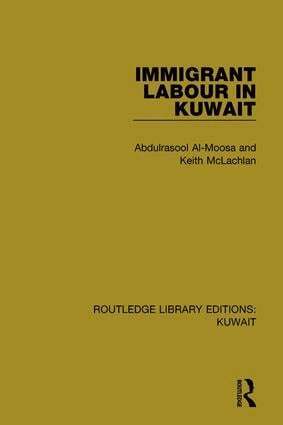
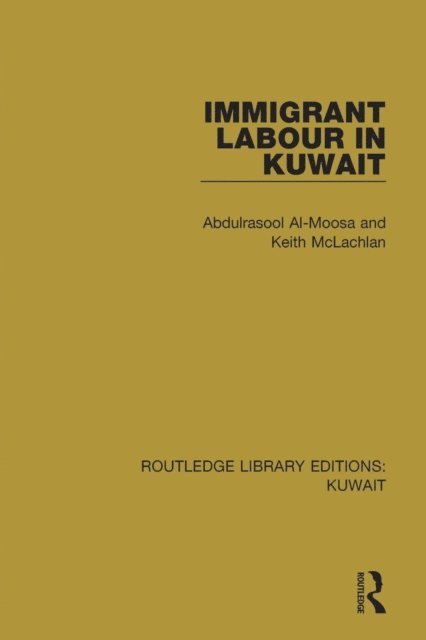
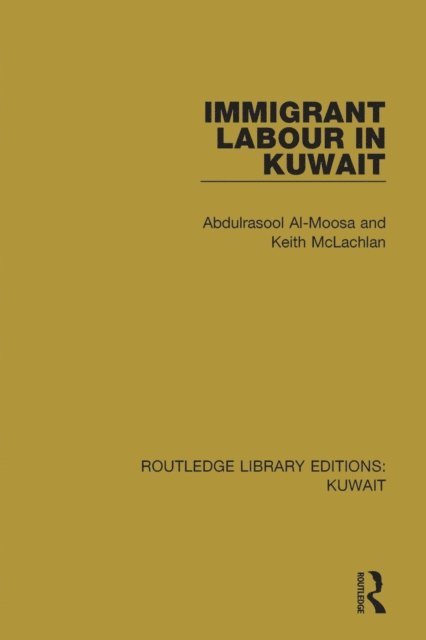
Kuwait has among the highest levels of personal incomes in the Middle East and the best oil reserves to production ratios of all the exporting states. Its good material fortune is offset by its political precariousness engendered by Kuwaiti nationals forming a minority and a heavy dependency on immigrants to sustain the economy. Deep feelings of insecurity have led to calls in Kuwait for an end to immigration and the repatriation of foreign residents of the state. This book, first published in 1985, analyses the degree of dependency of Kuwait on an alien working population from the results of a unique survey undertaken among the crucial family-accompanied segment of the immigrant workforce. The authors suggest new approaches to the evaluation of the utility of the foreigners to the local economy that might help to stave off a mounting internal crisis.
705 kr
Läs direkt efter köp
Kuwait has among the highest levels of personal incomes in the Middle East and the best oil reserves to production ratios of all the exporting states. Its good material fortune is offset by its political precariousness engendered by Kuwaiti nationals forming a minority and a heavy dependency on immigrants to sustain the economy. Deep feelings of insecurity have led to calls in Kuwait for an end to immigration and the repatriation of foreign residents of the state. This book, first published in 1985, analyses the degree of dependency of Kuwait on an alien working population from the results of a unique survey undertaken among the crucial family-accompanied segment of the immigrant workforce. The authors suggest new approaches to the evaluation of the utility of the foreigners to the local economy that might help to stave off a mounting internal crisis.