169 kr
Skickas
169 kr
Skickas
160 kr
Skickas
242 kr
Skickas
77 kr
Läs direkt efter köp
219 kr
Lyssna direkt efter köp
121 kr
Skickas
301 kr
Skickas
229 kr
Skickas
102 kr
Läs direkt efter köp
226 kr
Lyssna direkt efter köp
96 kr
Läs direkt efter köp
105 kr
Läs direkt efter köp
192 kr
Skickas
258 kr
Skickas
104 kr
Läs direkt efter köp
280 kr
Skickas inom 11-20 vardagar
375 kr
Skickas inom 3-6 vardagar
363 kr
Skickas inom 3-6 vardagar
347 kr
Skickas inom 3-6 vardagar
321 kr
Skickas inom 3-6 vardagar
327 kr
Skickas
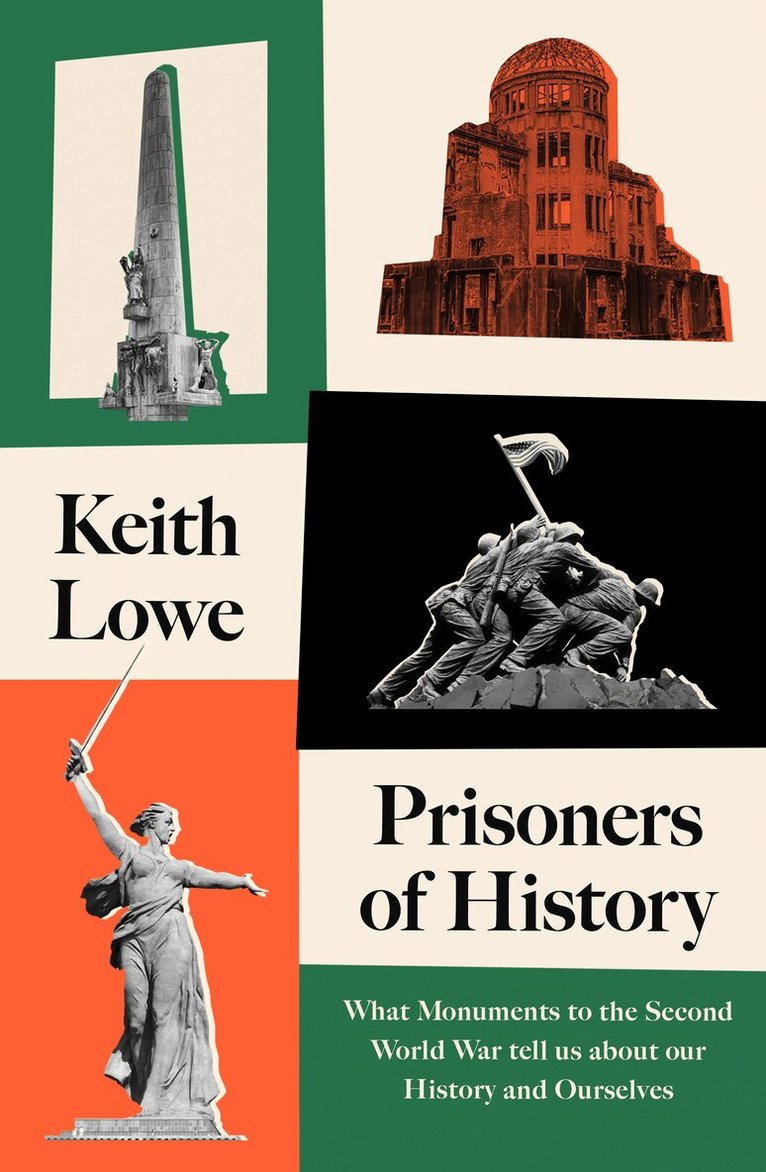
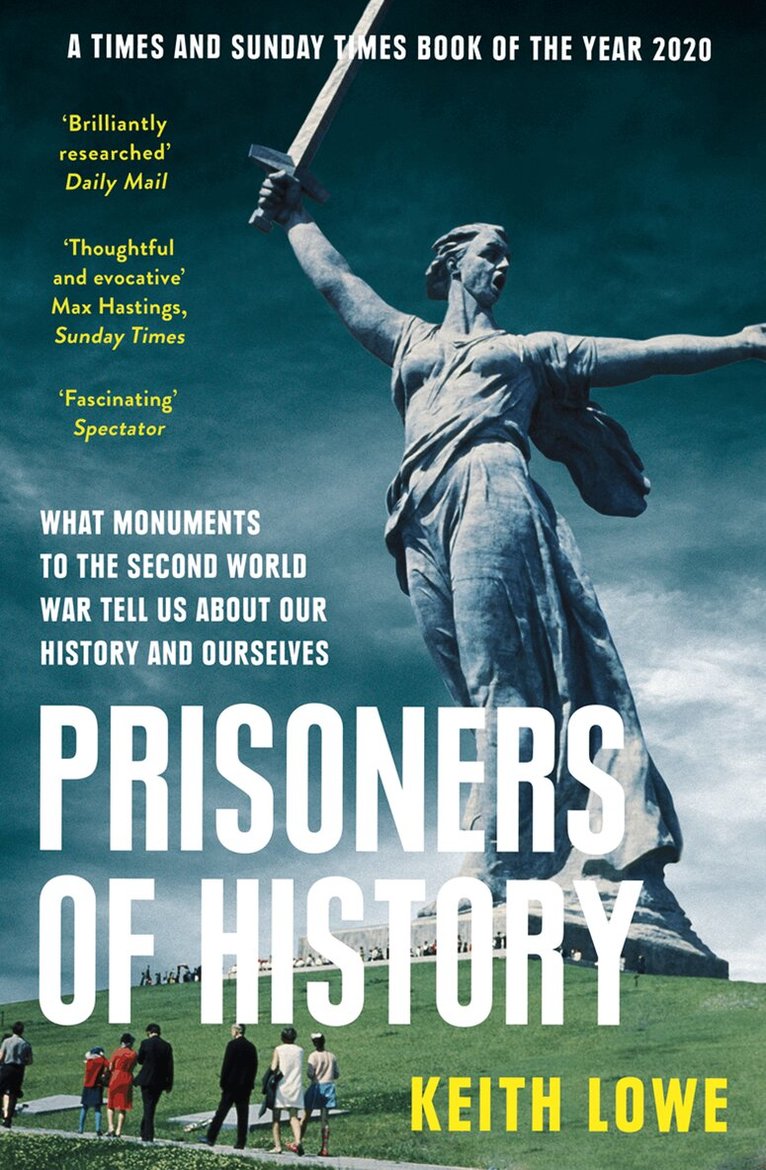
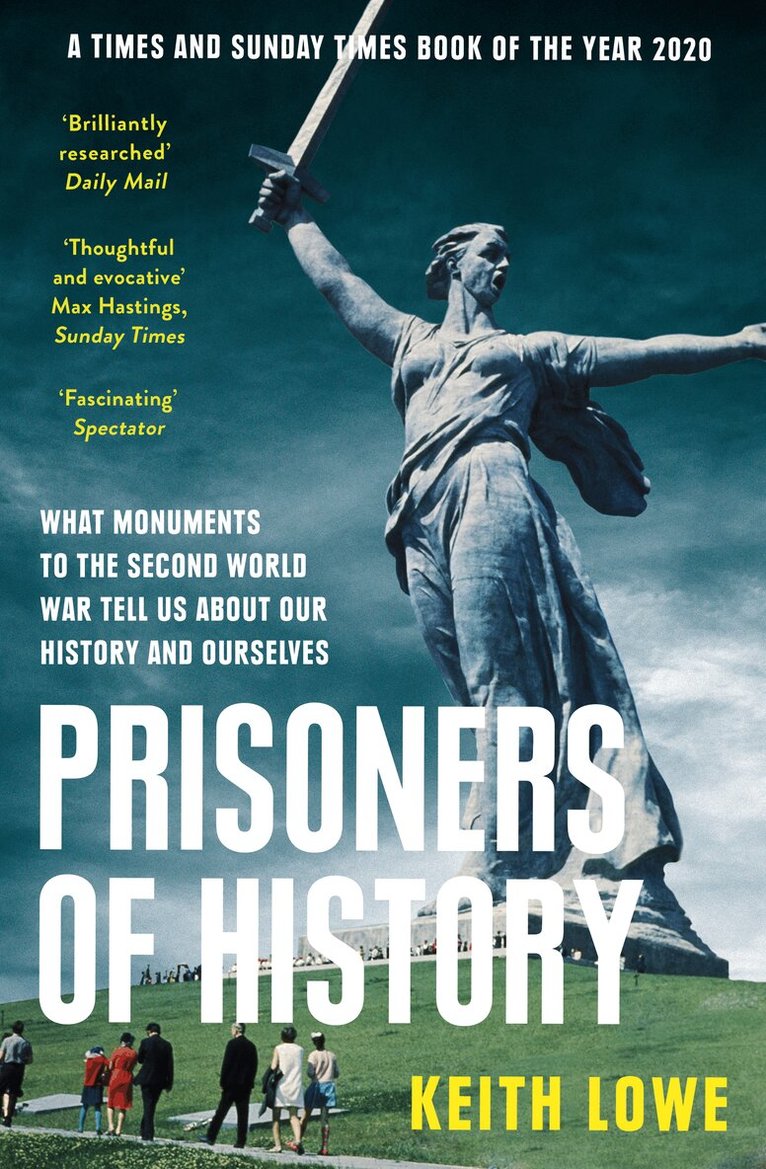
A look at how our monuments to World War II shape the way we think about the war by an award-winning historian.Keith Lowe, an award-winning author of books on WWII, saw monuments around the world taken down in political protest and began to wonder what monuments built to commemorate WWII say about us today. Focusing on these monuments, Prisoners of History looks at World War II and the way it still tangibly exists within our midst. He looks at all aspects of the war from the victors to the fallen, from the heroes to the villains, from the apocalypse to the rebuilding after devastation. He focuses on twenty-five monuments including The Motherland Calls in Russia, the US Marine Corps Memorial in the USA, Italys Shrine to the Fallen, Chinas Nanjin Massacre Memorial, The A Bomb Dome in Hiroshima, the balcony at Yad Vashem in Jerusalem and The Liberation Route that runs from London to Berlin. Unsurprisingly, he finds that different countries view the war differently. In monuments erected in the US, Lowe sees triumph and patriotic dedications to the heroes. In Europe, the monuments are melancholy, ambiguous and more often than not dedicated to the victims. In these differing international views of the war, Lowe sees the stone and metal expressions of sentiments that imprison us today with their unchangeable opinions. Published on the 75th anniversary of the end of the war, Prisoners of History is a 21st century view of a 20th century war that still haunts us today.
434 kr
Skickas inom 3-6 vardagar
209 kr
Läs direkt efter köp
206 kr
Läs direkt efter köp
272 kr
Läs direkt efter köp
307 kr
Skickas inom 3-6 vardagar
93 kr
Läs direkt efter köp
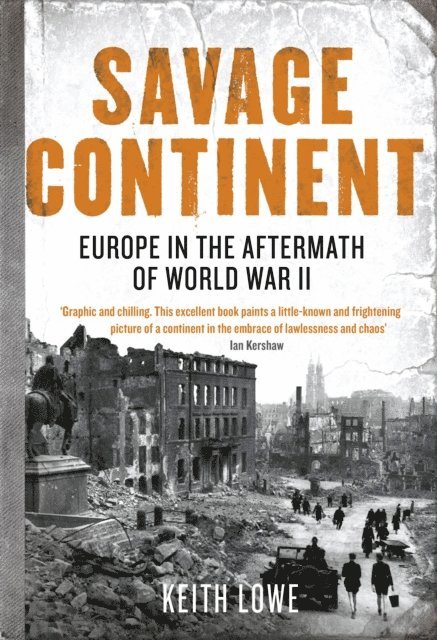
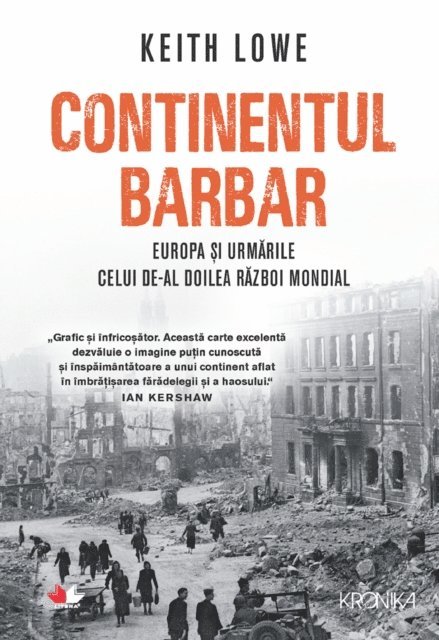
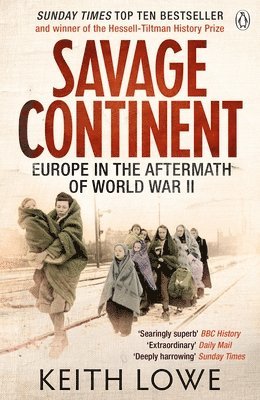
Cel de-al Doilea Război Mondial a lăsat în urma lui o Europă în haos. Peisajele fuseseră distruse, oraşe întregi rase de pe faţa pământului şi mai mult de 35 de milioane de oameni ucişi. Pe cea mai mare parte din continent, instituţiile a căror existenţă o considerăm astăzi un lucru firesc – cum ar fi poliţia, presa, transportul, administraţiile locale şi naţionale – erau fie cu totul absente, fie compromise total. Rata criminalităţii ajunsese la niveluri extrem de ridicate, economia se prăbuşise, iar populaţia Europei se afla în pragul foametei.
În acest studiu inovator al anilor care au urmat conflagraţiei mondiale, Keith Lowe descrie un continent încă bântuit de violenţă, unde mari părţi ale populaţiei trebuiau încă să accepte faptul că războiul se terminase. El scoate în evidenţă moralitatea deformată şi nevoia insaţiabilă de răzbunare care au reprezentat moştenirea acestui conflict. Descrie purificarea etnică şi războaiele civile care au distrus vieţile oamenilor obişnuiţi de la Marea Baltică la Mediterană şi întemeierea unei noi ordini mondiale care a adus, în cele din urmă, stabilitate, într-un continent zguduit din temelii. Acestea au fost realităţi, ne spune autorul, care au existat pe tot continentul – la Est şi la Vest.
Bazându-se pe documente originale, pe interviuri şi literatură de specialitate în opt limbi diferite, Continentul barbar ne oferă o imagine a unei scurte perioade haotice dintre finalul celui de-al Doilea Război Mondial şi începutul Războiului Rece. Cartea reprezintă o premieră, fiind prima lucrare importantă despre această perioadă.
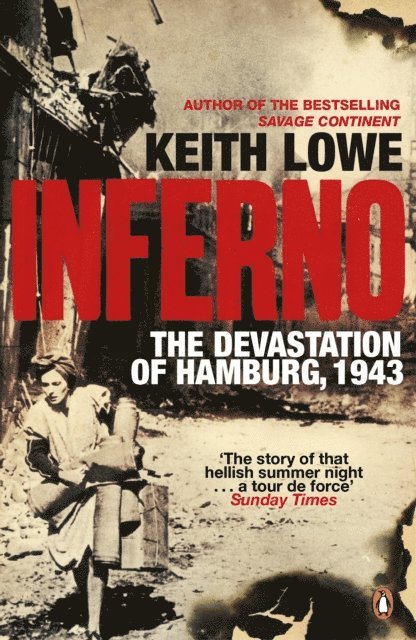
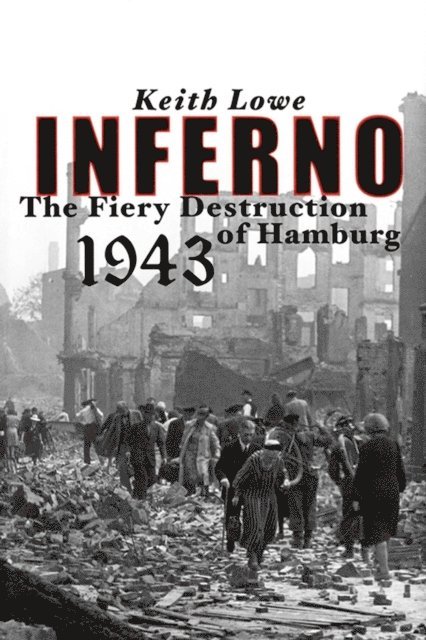
După ce a petrecut peste un deceniu lucrând ca editor, Keith Lowe este acum istoric şi autor de cărţi de istorie. Este recunoscut drept o autoritate în ceea ce priveşte cel de-al Doilea Război Mondial şi a fost invitat adesea la radio şi la TV, atât în Marea Britanie, cât şi în SUA. Este autorul apreciatei lucrări Inferno: The Devastation of Hamburg, 1943. Locuieşte în nordul Londrei, împreună cu soţia şi cei doi copii.