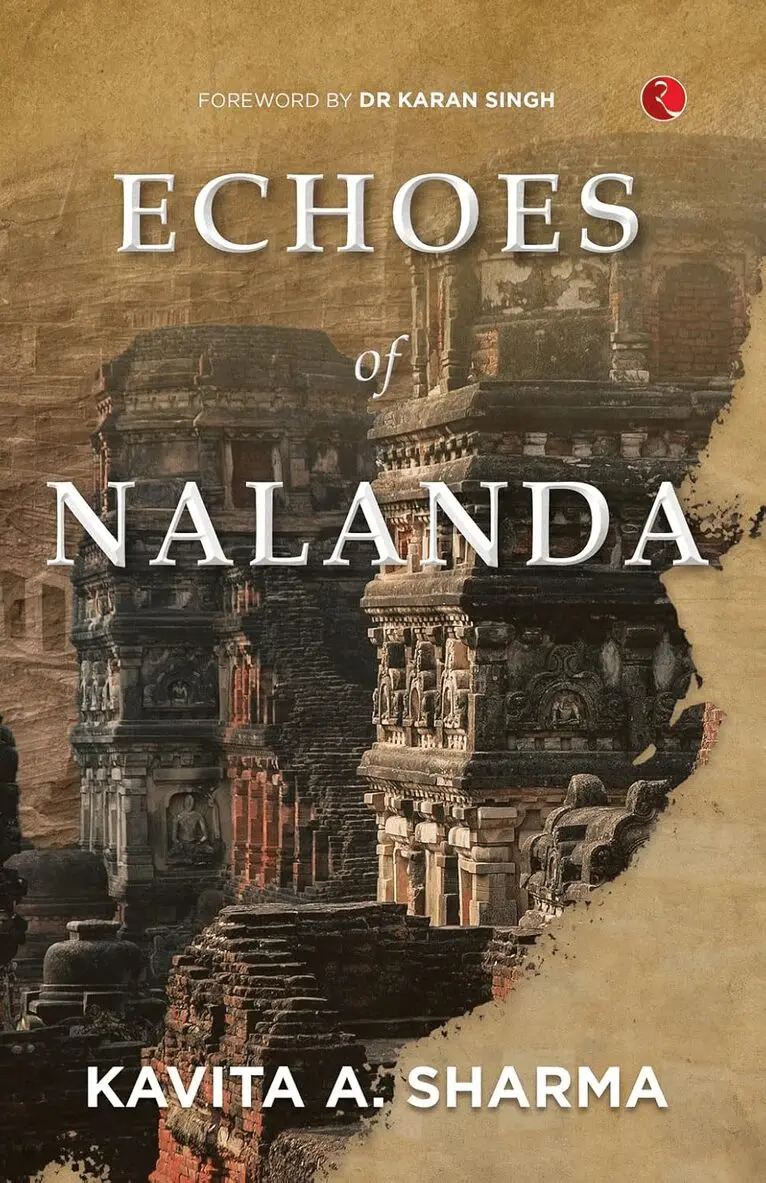
When the Government of India decided to revive Nalanda in 2010 with an international university, Dr Kavita A. Sharma was compelled to find out why. What she discovered was a world once alive with scholar-monks, royal patronage, and cross-cultural pilgrimages. This slim but powerful book is her personal journey into the heart of Nalanda’s mystique—where echoes of Chinese monks like Xuanzang and I-Ching still seem to whisper through the ruins, and the ghosts of Indian scholars who once braved the perilous route to China are aching to be remembered.
This book provides a comprehensive overview of higher education in India and China and the complexity of issues involved. It focuses on gaining understanding of education systems, governance mechanisms, globalisation and emergence of the private sector, action policies of both the countries and their impact on education and society. Offering a comparative perspective, the book discusses why China is ahead of India in Higher Education when both share the similar challenges of burgeoning young population and scarcity of resources. It examines the success in providing equitable access to both country’s marginalised sections. It also discusses the directions of future growth through National Education Policy, 2020 and the 13th Five Year Plan of the Chinese State Council. Combining rich content and a broad scope, the book offers a valuable key to understanding Higher Education system of India and China. It is a useful read for students and researchers in social sciences, education area.
This book provides a comprehensive overview of higher education in India and China and the complexity of issues involved. It focuses on gaining understanding of education systems, governance mechanisms, globalisation and emergence of the private sector, action policies of both the countries and their impact on education and society. Offering a comparative perspective, the book discusses why China is ahead of India in Higher Education when both share the similar challenges of burgeoning young population and scarcity of resources. It examines the success in providing equitable access to both country’s marginalised sections. It also discusses the directions of future growth through National Education Policy, 2020 and the 13th Five Year Plan of the Chinese State Council. Combining rich content and a broad scope, the book offers a valuable key to understanding Higher Education system of India and China. It is a useful read for students and researchers in social sciences, education area.
This book provides a comprehensive overview of higher education in India and China and the complexity of issues involved. It focuses on gaining understanding of education systems, governance mechanisms, globalisation and emergence of the private sector, action policies of both the countries and their impact on education and society. Offering a comparative perspective, the book discusses why China is ahead of India in Higher Education when both share the similar challenges of burgeoning young population and scarcity of resources. It examines the success in providing equitable access to both country’s marginalised sections. It also discusses the directions of future growth through National Education Policy, 2020 and the 13th Five Year Plan of the Chinese State Council. Combining rich content and a broad scope, the book offers a valuable key to understanding Higher Education system of India and China. It is a useful read for students and researchers in social sciences, education area.