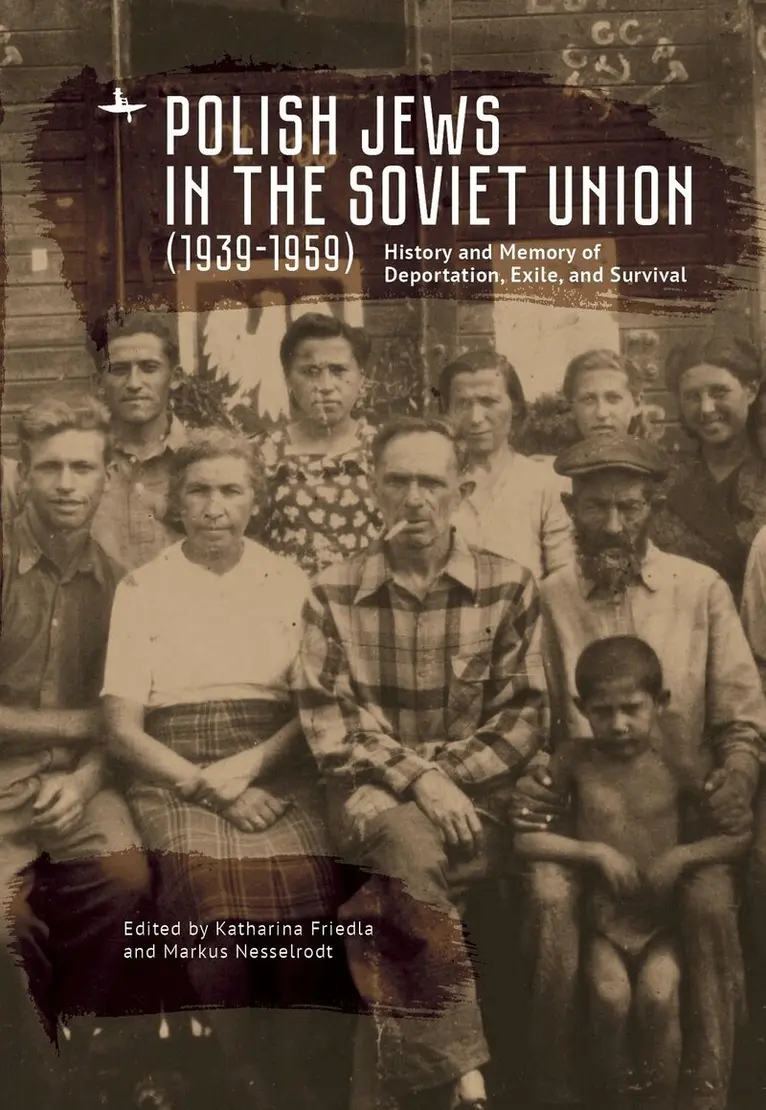
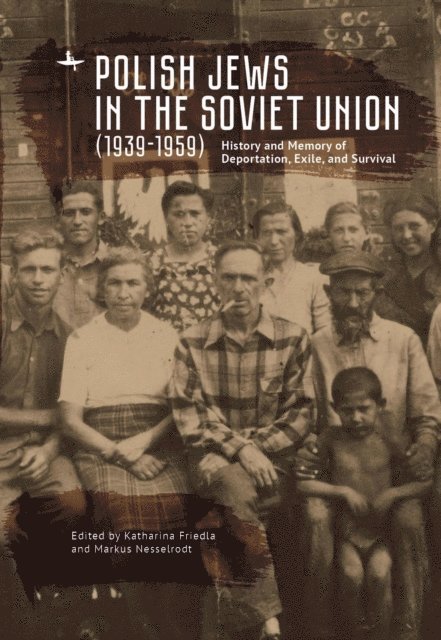
Winner of the 2022 PIASA Anna M. Cienciala Award for the Best Edited Book in Polish StudiesThe majority of Poland’s prewar Jewish population who fled to the interior of the Soviet Union managed to survive World War II and the Holocaust. This collection of original essays tells the story of more than 200,000 Polish Jews who came to a foreign country as war refugees, forced laborers, or political prisoners. This diverse set of experiences is covered by historians, literary and memory scholars, and sociologists who specialize in the field of East European Jewish history and culture.
Winner of the 2022 PIASA Anna M. Cienciala Award for the Best Edited Book in Polish StudiesThe majority of Poland’s prewar Jewish population who fled to the interior of the Soviet Union managed to survive World War II and the Holocaust. This collection of original essays tells the story of more than 200,000 Polish Jews who came to a foreign country as war refugees, forced laborers, or political prisoners. This diverse set of experiences is covered by historians, literary and memory scholars, and sociologists who specialize in the field of East European Jewish history and culture.
Winner of the 2022 PIASA Anna M. Cienciala Award for the Best Edited Book in Polish StudiesThe majority of Poland’s prewar Jewish population who fled to the interior of the Soviet Union managed to survive World War II and the Holocaust. This collection of original essays tells the story of more than 200,000 Polish Jews who came to a foreign country as war refugees, forced laborers, or political prisoners. This diverse set of experiences is covered by historians, literary and memory scholars, and sociologists who specialize in the field of East European Jewish history and culture.
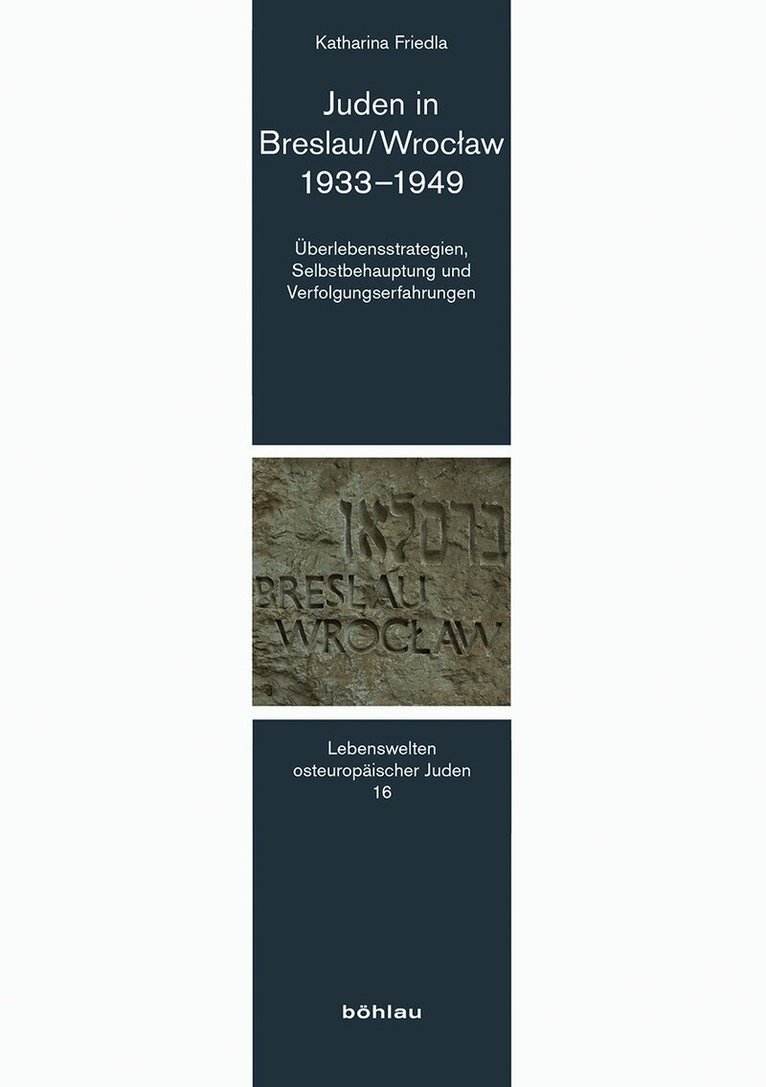
Die Erinnerung an die Breslauer Juden, ihre Ausgrenzung, Unterdrückung, Verfolgung und Ausrottung durch das NS-Regime, aber auch die Geschichte des polnisch-jüdischen Wrocław wurden im Kalten Krieg ausgelöscht: In der kollektiven Erinnerung, aber auch in den wissenschaftlichen Diskursen in Polen und Deutschland, sind diese Ereignisse bisher sehr wenig rezipiert worden. Dieses Buch will diese Lücke schließen. So setzt die Studie an mit einer Analyse jüdischer Lebenswelten in Breslau in den Jahren des Nationalsozialismus, als die staatliche Diffamierung und die antijüdische Gewalt eskalierten und schließlich in die Vertreibung und Vernichtung der Breslauer Juden mündeten. Dargestellt wird aber auch der Umbruch nach 1945, die Situation der überlebenden deutschen Juden in Breslau/Wrocław, sowie der polnisch-jüdischen Holocaust-Überlebenden, die in der Stadt angesiedelt wurden. Welche Handlungsspielräume gab es, welche Reaktionen auf die Verfolgungssituation, welche Überlebensstrategien waren möglich? Wie konnte man sich behaupten, welche Identitätskonstruktionen standen einem offen, welche nicht? Wo waren die Schnittstellen zwischen dem jüdischen Leben in der Stadt vor und nach dem Zweiten Weltkrieg?