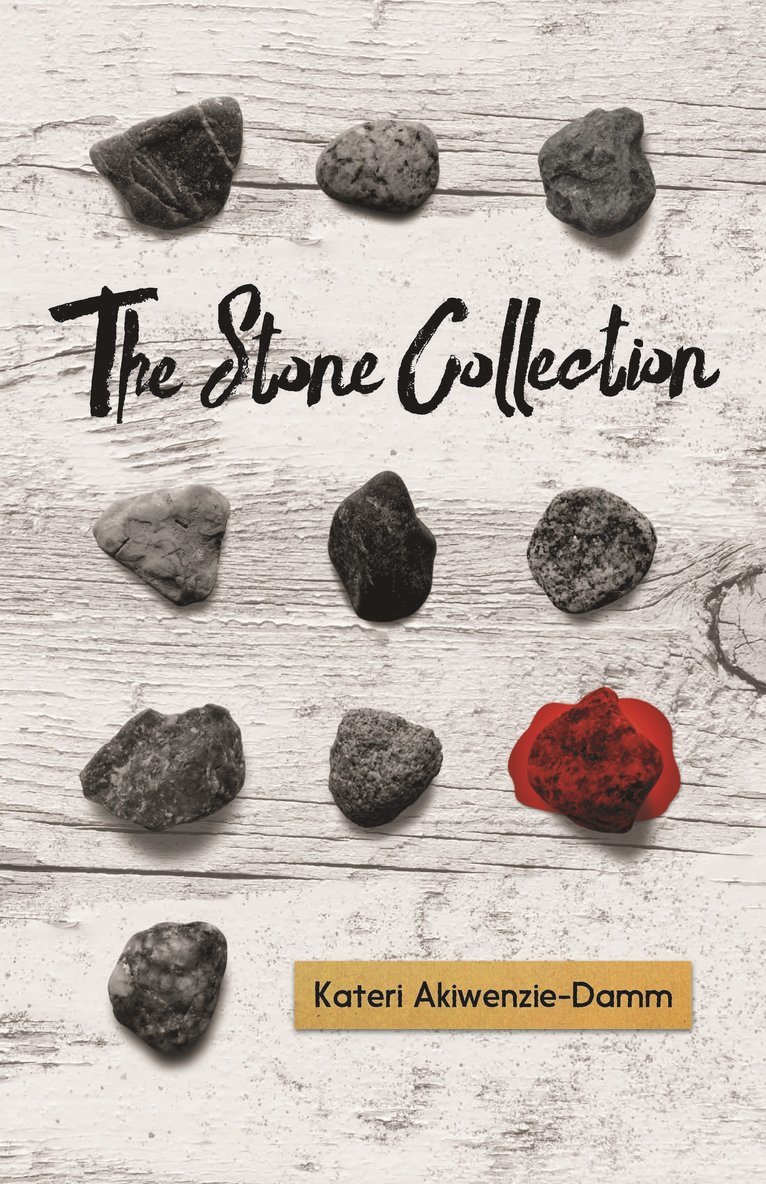
★ [Akiwenzie-Damm's] luminescent prose in this book dances "like jingle dress dancers," and is somehow still compressed to shining perfection - Publishers Weekly, Starred ReviewIn the Anishnaabe language and worldview, stones are alive, infused with life force or spirit. Although many of the stories are about loss, under that surface they are alive, celebrating the beauty and preciousness of life.—Kateri Akiwenzie-DammIn these 14 unique stories, Kateri Akiwenzie-Damm takes on complex and dangerous emotions, exploring the gamut of modern Anishinaabe experience. Through unforgettable characters, these stories—about love and lust, suicide and survival, illness and wholeness—illuminate the strange workings of the human heart.
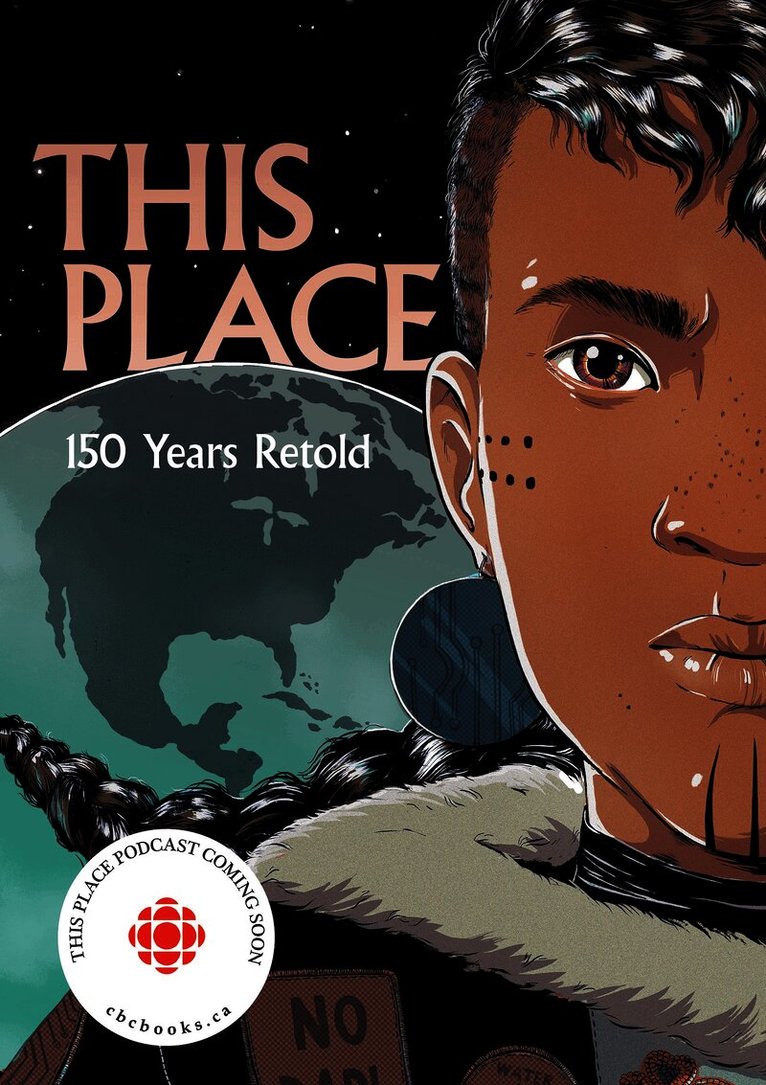
A great read and an excellent teaching tool for National Indigenous History Month! Learn about the history of First Nations, Métis, and Inuit Peoples in Canada from Confederation to the Oka Crisis and beyond in this Indigenous graphic novel anthology for young adults.Explore 150 years of history through the eyes of Indigenous creators in this groundbreaking graphic novel anthology. Beautifully illustrated, these stories are an emotional and enlightening journey showing how Indigenous Peoples have survived a post-apocalyptic world since Contact.Read this book yourself or with students to learn more about Indigenous history and the history of colonization in Canada. Explore the following:the story of Annie Bannatyne, a Red River Métis woman, whose reaction to a Canada First settler’s racist article inspired a young Louis Rielresistance against assimilation and the potlatch ban through the story of Ligwiłda'x̱w Chief Billy Assuthe conflict between Indigenous traditional law and Canadian law through the Indigenous horror story of windigo killer Jack Fiddler and his brother, Josephdiscrimination against Indigenous veterans through the story of Francis Pegahmagabow, the most effective sniper of World War IInuit naming traditions, shamanism, and identity discsthe Sixties Scoop and the abuse faced by Indigenous children in foster care land claims and the Dene Nation’s fight to defend the North from the Mackenzie Valley Pipeline through the story of Chief Frank T’Seleietreaty rights, “salmon wars,” and the 1981 raids by fishing wardens and the Quebec Provincial Police on Mi’gmaw fishers in ListugujElijah Harper’s rejection of the Meech Lake Accord and the Kanehsatà:ke Resistance, also known as the Oka Crisisland and water defense movements, and what an Indigenous-led decolonized future might look like through a time-travelling Indigenous futurism storyAlongside each story, find a timeline of historical events, an author’s note, cited sources, and a select bibliography for further reading. An effective teaching tool: Use the Teacher Guide for This Place: 150 Years Retold to simplify your planning! With curriculum connections for grades 9–12, the teacher guide includes 12 comprehensive lesson plans for high school and post-secondary English, History, and Indigenous Studies courses.This is one of the 200 exceptional projects funded through the Canada Council for the Arts’ New Chapter initiative. With this $35M initiative, the Council supports the creation and sharing of the arts in communities across Canada.
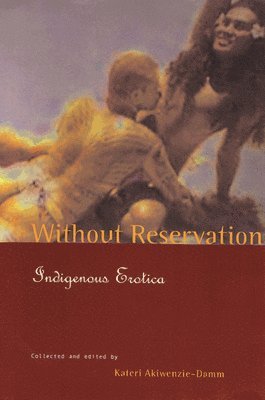
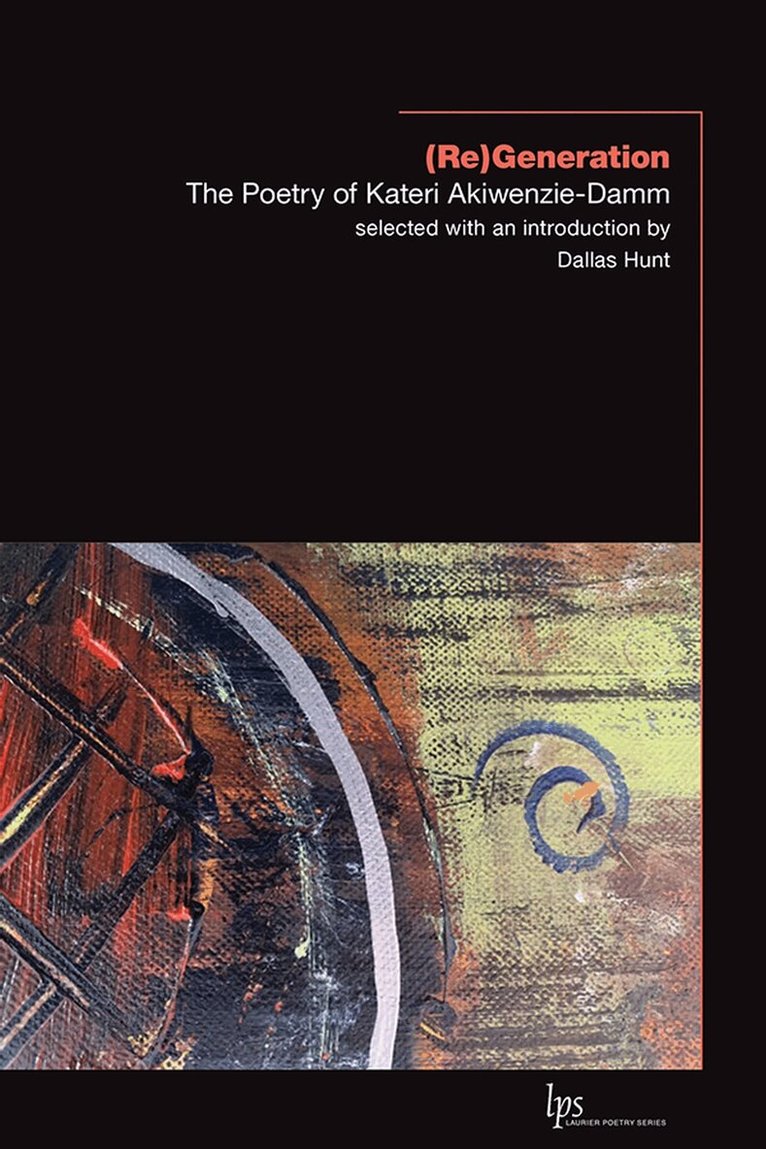
(Re)Generation contains selected poetry by Anishinaabe writer Kateri Akiwenzie-Damm that deals with a range of issues: from violence against Indigenous women and lands to Indigenous erotica and the joyous intimate encounters between bodies. Kateri Akiwenzie-Damm's influence on the field of Indigenous literature cannot be understated. Her creative work is formative, and she is responsible for the release of other influential works in the field of Indigenous literary studies through her publishing house, Kegedonce Press. Akiwenzie-Damm is proof positive that if Indigenous peoples are going to resist the violent processes of ongoing colonialism, then they're going to have to do it together.Akiwenzie-Damms's afterword speaks to the relations and obligations Indigenous peoples have to one another and their other-than-human kin, as she reflects on the resilient work that Indigenous creative work has done and continues to do in spite of colonial violence. Her afterword stakes a claim for the necessity of poetry in the face of ongoing colonialism, not only in the present but in the future and for the generations to come. The introduction by Dallas Hunt locates Akiwenzie-Damm within the field of Indigenous literature and meditates on her influence on the field of Indigenous erotica. Akiwenzie-Damm writes in service of Indigenous love, intimacy, and joy, and speaks with an unwavering voice, one that, to paraphrase Akiwenzie-Damm herself, 'shakes the earth'.