Offering a unique vantage point from which to view black women’s body image and Caribbean migration, Romance with Voluptuousness illuminates how first- and second-generation immigrant black Caribbean women engage with a thick body aesthetic while living in the United States. Using personal accounts, Romance with Voluptuousness examines the ways in which black women with heritage in the English-speaking Caribbean participate in, perpetuate, and struggle with the voluptuous beauty standard of the black Caribbean while living in the hegemony of thinness cultivated in the United States. It highlights how black Caribbean women negotiate issues of body image deriving from both Caribbean and American pressures to maintain a particular body shape and contend with discourses and practices surrounding the body that aim to marginalize and exclude them from economic, social, and political spaces. By focusing on diasporic Caribbean women’s “romance” with voluptuousness, Kamille Gentles-Peart explores the transnational flow of beauty ideals and examines how ideas about beauty in the Caribbean diaspora help to shape the experiences of Caribbean black women in the United States.
Brand Jamaica is an empirical look at the postindependence national image and branding project of Jamaica within the context of nation-branding practices at large. Although a tiny Caribbean island inhabited by only 2.8 million people, Jamaica commands a remarkably large presence on the world stage. Formerly a colony of Britain and shaped by centuries of slavery, violence, and plunder, today Jamaica owes its popular global standing to a massively successful troika of brands: music, sports, and destination tourism. At the same time, extensive media attention focused on its internal political civil war, mushrooming violent crime, inflation, unemployment, poverty, and abuse of human rights have led to perceptions of the country as unsafe.Brand Jamaica explores the current practices of branding Jamaica, particularly within the context of postcoloniality, reconciles the lived realities of Jamaicans with the contemporary image of Jamaica projected to the world, and deconstructs the current tourism model of sun, sand, and sea. Hume Johnson and Kamille Gentles-Peart bring together multidisciplinary perspectives that interrogate various aspects of Jamaican national identity and the dominant paradigm by which it has been shaped.
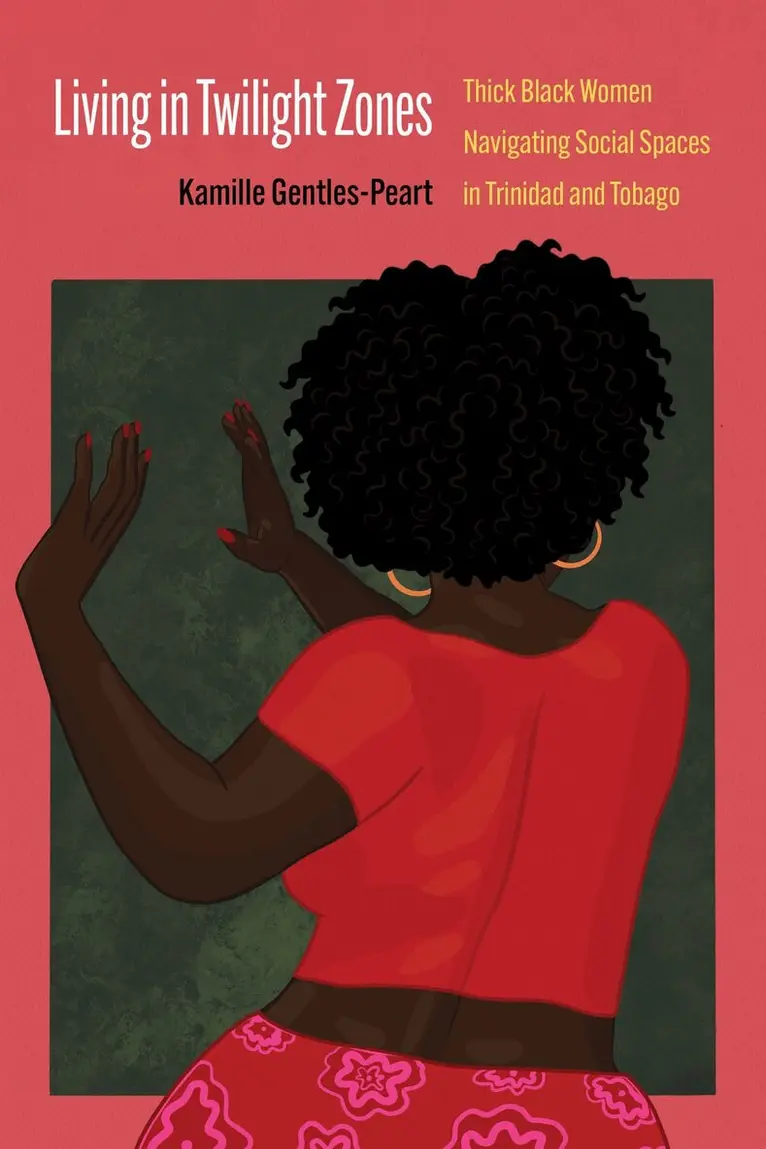
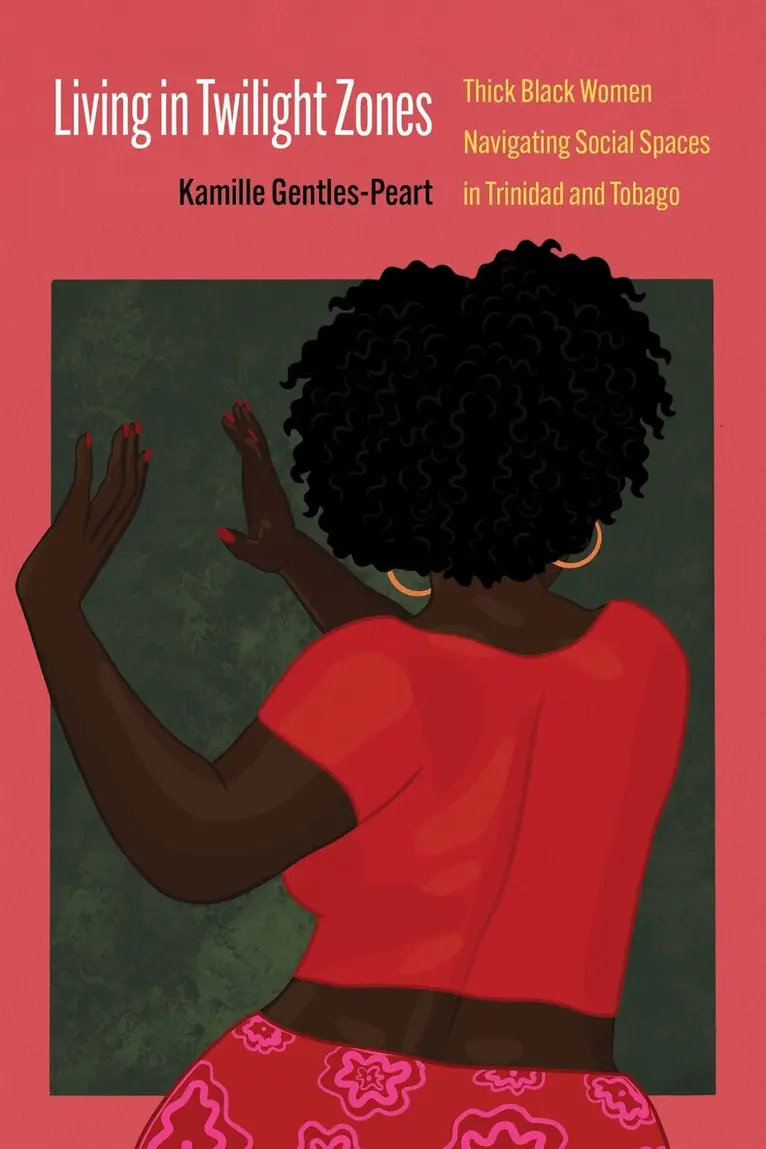
It is well documented that thick Black female bodies (with prominent hips, thighs, and bottoms) are idealized in Afro-Caribbean communities. However, there is also a long and deep history of oppression of thick Black women in Caribbean spaces based on their race, gender, and body shape and size. "Postcolonial" Afro-Caribbean societies are thus spaces of duality and ambiguity for thick Black women who have to concurrently negotiate thick body misogynoir and Black female liberatory discourses, resulting in embodied experiences that are shaped by a complex mixture of love and idolization on one hand and fetishization, hypersexualization, and marginalization on the other.Living in Twilight Zones explores how thick Black women navigate this dialectic in the cultural space of Trinidad and Tobago. Kamille Gentles-Peart centers the women's own narratives, amplifying what they have to say about how they negotiate conflicting racialized ideologies surrounding their bodies, how social currency and secondary marginalization manifest in their everyday lives, and how they pursue and maintain emotional and psychological well-being through it all. Gentles-Peart expands the scholarship on Black female body politics by foregrounding the perceptions and insights that African-descended women have about their bodies in the context of a Caribbean island.