Häftad, Engelska, 2001
1 785 kr
Skickas inom 7-10 vardagar
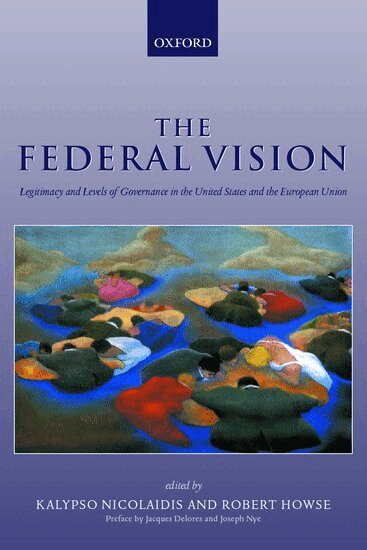
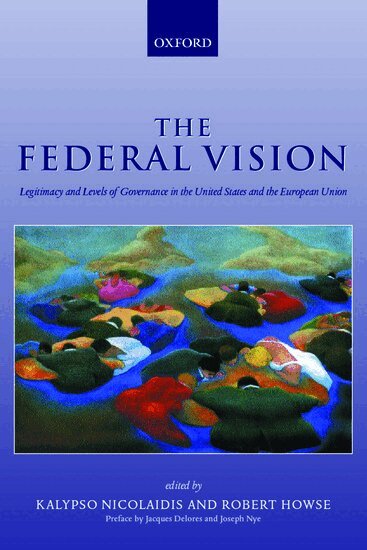
The Federal Vision is about the complex and changing relationship between levels of governance within the United States and the European Union. Based on a transatlantic dialogue between scholars concerned about modes of governance on both sides, it is a collective attempt at analysing the ramifications of the legitimacy crisis in our multi-layered democracies, and possible remedies. Starting from a focus on the current policy debatea over devolution and subsidiarity, the book engages the reader in to the broader tension of comparartive federalism. Its authors believe that in spite of the fundamental differences between them, both the EU and the US are in the process of re-defining a federal vision for the 21st century. This book represents an important new contribution to the study of Federalism and European integration, which seeks to bridge the divide between the two. It also bridges the traditional divide between technical, legal or regulatory discussions of federal governance and philosophical debates over questions of belonging and multiple identities. It is a multi-disciplinary project, bringing together historians, political scientists and theorists, legal scholars, sociologists and political economists. It includes both innovative analysis and prescriptions on how to reshape the federal contract in the US and the EU. It includes introductions to the history of federalism in the US and the EU, the current debates over devolution and subsidarity, the legal framework of federalism and theories of regulatory federalism, as well as innovative approaches to the application of network analysis, principal-agent models, institutionalist analysis, and political theories of citizenship to the federal context. The introduction and conclusion by the editors draws out cross-cutting themes and lessons from the thinking together of the EU and US experiences, and suggest how a federal vision could be freed from the hierarchical paradigm of the federal state and articulated around concepts of mutal tolerence and empowerment.