1 390 kr
Skickas inom 7-10 vardagar
1 390 kr
Skickas inom 7-10 vardagar
353 kr
Skickas inom 7-10 vardagar
3 798 kr
Skickas inom 10-15 vardagar
929 kr
Läs direkt efter köp
935 kr
Läs direkt efter köp
2 489 kr
Skickas inom 10-15 vardagar
700 kr
Skickas inom 10-15 vardagar
826 kr
Läs direkt efter köp
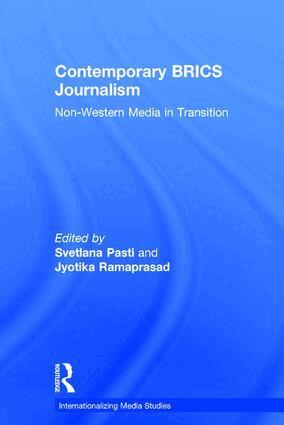
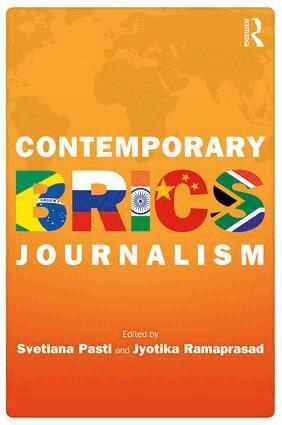
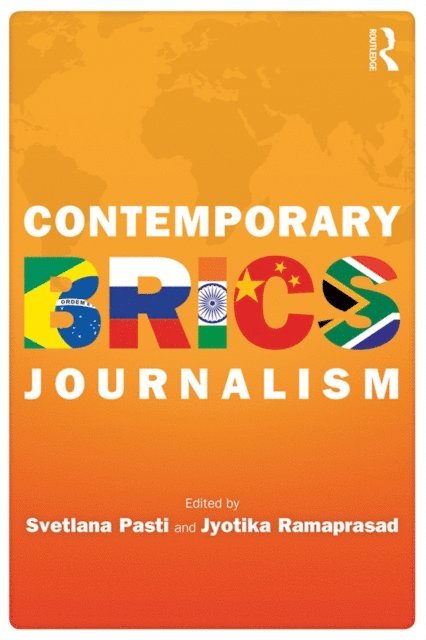
Contemporary BRICS Journalism: Non-Western Media in Transition is the first comparative study of professional journalists working in BRICS countries (Brazil, Russia, India, China, and South Africa). The book presents a range of insider perspectives, offering a valuable insight into the nature of journalism in these influential economies.
Contributors to this volume have conducted in-depth interviews with more than 700 journalists, from mainstream and online media, between 2012 and 2015. They present and analyse their findings here, revealing how BRICS journalism is envisioned, experienced, and practised in the twenty-first century. Compelling evidence in the form of journalists’ narratives reveals the impact of digital culture on modern reporting and the evolving dynamic between new media technology and traditional journalistic practice. Insightful comparisons are made between BRICS countries, highlighting the similarities and differences between them. Topics covered include; professionalism, ethics and ideals, community journalism, technological developments in the newsroom and the reporting of protest movements.
This book’s ambitious analysis of journalistic landscapes across these non-Western nations will significantly broaden the scope of study and research in the field of journalism for students and teachers of communication, journalism, and media studies.