695 kr
Skickas inom 10-15 vardagar
695 kr
Skickas inom 10-15 vardagar
808 kr
Läs direkt efter köp
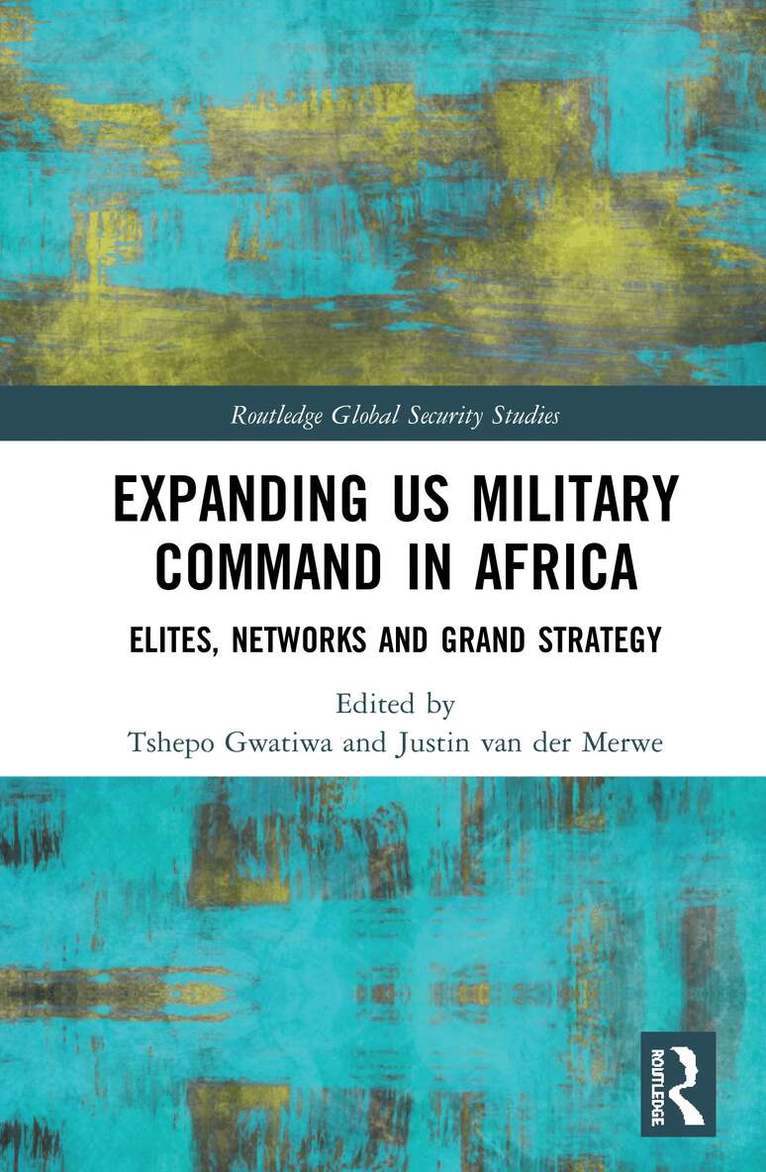
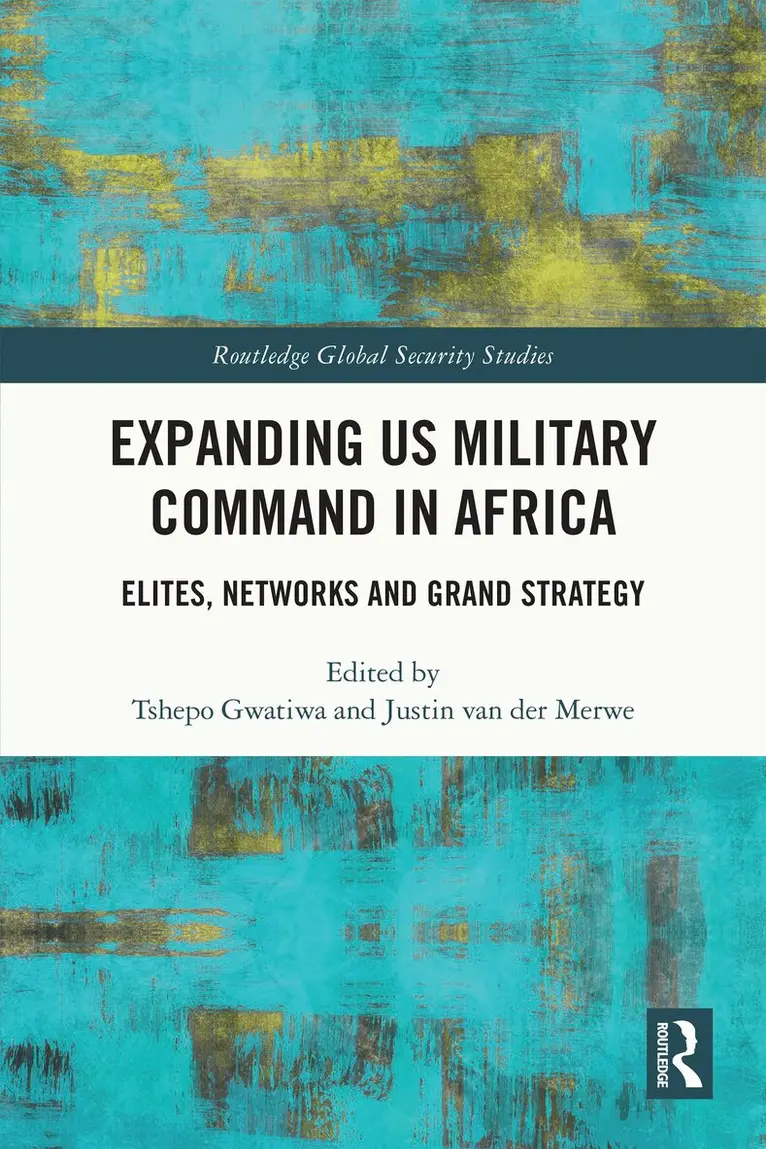
This book discusses the systematic expansion of the United States Africa Command (AFRICOM) across the continent of Africa.
This book posits that AFRICOM expansion in Africa is part of a broader system of accumulation based on a government-business-media (GBM) complex. Applying the concept at both structural and descriptive levels, the GBM complex is a function of the synergy between the state’s quest for power, businesses’ need for expansion, and the informational and hegemonic functions of media actors. The United States’ GBM complex in Africa is supported—and in some locations spearheaded—by its military, with dispossessing effects on local actors. Drawing from African case studies, analytical accounts and empirical case studies, this book explores AFRICOM’s role within this broader strategy. The volume maps both the methods and the scope of this expansion, as well as local resistance to this process, and comprises perspectives from the five regions of Africa, key sub-regional organizations and voices from Africa’s regional hegemons.
This book will be of much interest to students of security studies, strategic studies, African politics and International Relations.
796 kr
Läs direkt efter köp
This book discusses the systematic expansion of the United States Africa Command (AFRICOM) across the continent of Africa.
This book posits that AFRICOM expansion in Africa is part of a broader system of accumulation based on a government-business-media (GBM) complex. Applying the concept at both structural and descriptive levels, the GBM complex is a function of the synergy between the state’s quest for power, businesses’ need for expansion, and the informational and hegemonic functions of media actors. The United States’ GBM complex in Africa is supported—and in some locations spearheaded—by its military, with dispossessing effects on local actors. Drawing from African case studies, analytical accounts and empirical case studies, this book explores AFRICOM’s role within this broader strategy. The volume maps both the methods and the scope of this expansion, as well as local resistance to this process, and comprises perspectives from the five regions of Africa, key sub-regional organizations and voices from Africa’s regional hegemons.
This book will be of much interest to students of security studies, strategic studies, African politics and International Relations.
2 526 kr
Skickas inom 10-15 vardagar
1 209 kr
Skickas inom 10-15 vardagar
474 kr
Skickas inom 10-15 vardagar
511 kr
Läs direkt efter köp
503 kr
Läs direkt efter köp
456 kr
Läs direkt efter köp
459 kr
Läs direkt efter köp
822 kr
Skickas inom 10-15 vardagar
1 059 kr
Läs direkt efter köp
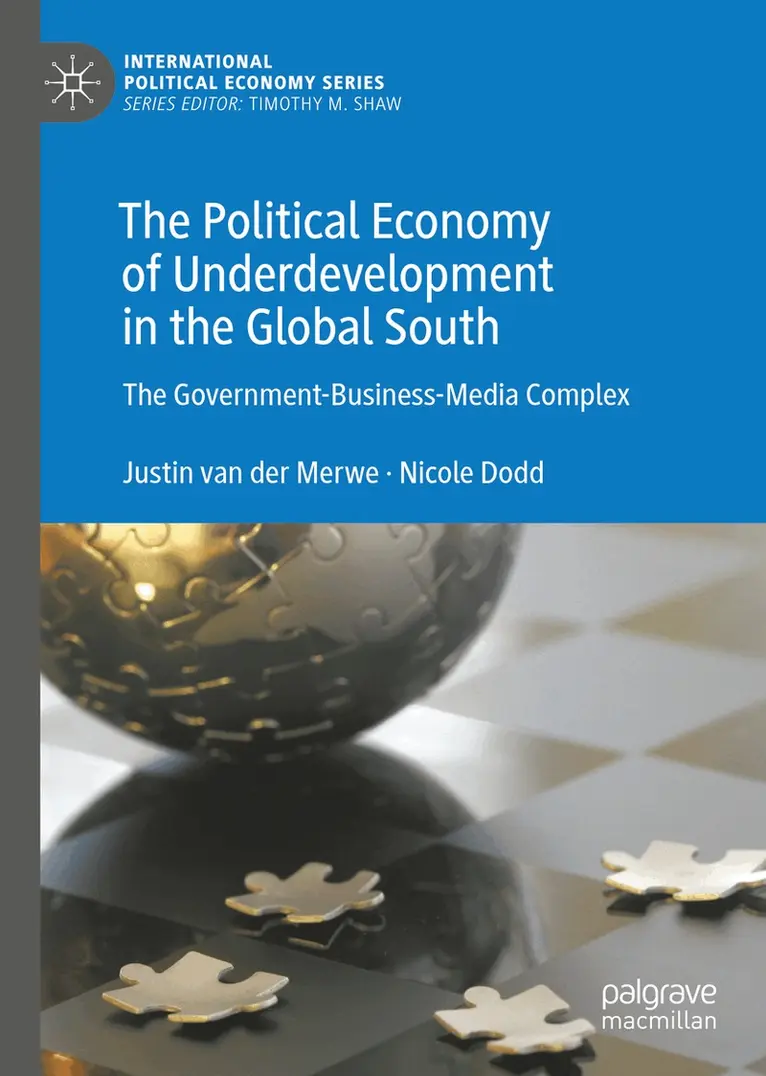
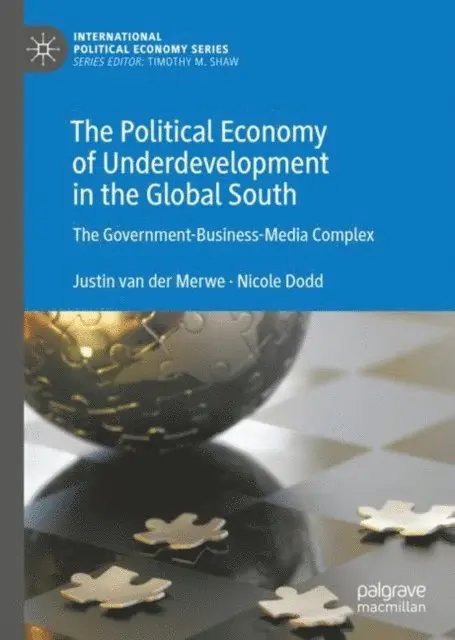
This book presents a new theory explaining underdevelopment in the global South and tests whether financial inputs, the government-business-media (GBM) complex and spatiotemporal influences drive human development. Despite the entrance of emerging powers and new forms of aid, trade and investment, international political-economic practices still support well-established systems of capital accumulation, to the detriment of the global South. Global asymmetrical accumulation is maintained by ‘affective’ (consent-forming hegemonic practices) and ‘infrastructural’ (uneven economic exchanges) labours and by power networks. The message for developing countries is that ‘robust’ GBMs can facilitate human development and development is constrained by spatiotemporal limitations. This work theorizes that aid and foreign direct investment should be viewed with caution and that in the global South these investments should not automatically be assumed to be drivers of development.
1 632 kr
Skickas inom 10-15 vardagar
2 111 kr
Läs direkt efter köp
1 637 kr
Skickas inom 10-15 vardagar