
Häftad, Engelska, 2017
432 kr
Skickas inom 3-6 vardagar
432 kr
Skickas inom 3-6 vardagar
390 kr
Läs direkt efter köp
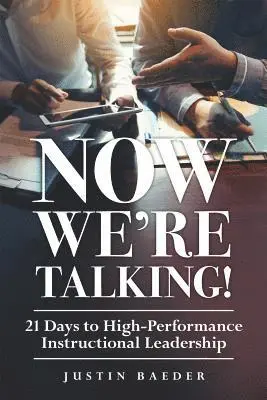
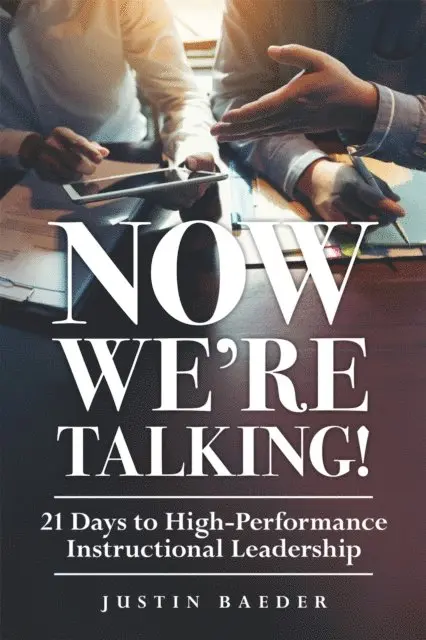
Daily observation of classroom teaching can significantly impact the quality of teaching and learning. Organized into 21 chapters designed to be read over a period of 21 school days, Now We''re Talking! presents a results-driven approach that far surpasses traditional walkthrough models of feedback for teachers. School leaders will complete two cycles of classroom visits while reading the book and establish the necessary foundation for subsequent visits.
This plan will help you incorporate daily classroom walkthroughs to improve teaching and learning:
Understand how daily classroom observation can help you make informed decisions that foster rich relationships with teachers, improve professional practices, reduce stress, and increase student learning.Discover how to conduct teacher evaluations and classroom walkthroughs to improve teaching and learning, fostering high-performance results and high-quality instructional leadership.Take part in 21 days of action challenges toward making teacher observations and giving feedback to teachers after observation a daily practice.Learn supervision and instructional leadership skills that establish effective communication in schools.Gain time-management tips for streamlining your inboxes, staying organized, and prioritizing work so you have time for daily classroom visits and lesson observation feedback.Contents:Week 1: High-Performance Instructional Leadership FundamentalsChapter 1: Understanding Why Instructional Leaders Belong in ClassroomsChapter 2: Following the High-Performance Instructional Leadership ModelChapter 3: Acknowledging Related Instructional Leadership, Supervision, and Walkthrough ModelsChapter 4: Conducting Your First Two Cycles of VisitsChapter 5: Thinking Ahead to Your Third Cycle of Visits
Week 2: High-Performance HabitsChapter 6: Making Time to Visit ClassroomsChapter 7: Keeping Your Communication Channels Under ControlChapter 8: Managing the Work You''re Not Doing YetChapter 9: Organizing Your To-Do ListChapter 10: Maximizing Your Mental Energy With Habits
Week 3: High-Impact Instructional ConversationsChapter 11: Going Beyond Data Collection and the Feedback SandwichChapter 12: Facilitating Evidence-Based ConversationsChapter 13: Bringing a Shared Instructional Framework Into the ConversationChapter 14: Developing Skills for High-Impact ConversationsChapter 15: Handling the Toughest Conversations
Week 4: High-Performance Instructional Leadership EnhancementChapter 16: Building Your Feedback RepertoireChapter 17: Balancing Your Formal Evaluation ResponsibilitiesChapter 18: Identifying Improvements From Classroom VisitsChapter 19: Opening the Door to New Models of Professional LearningChapter 20: Choosing an Instructional Focus for an Observation CycleChapter 21: Scaling Classroom Visits Across Your School and District
626 kr
Skickas inom 11-20 vardagar
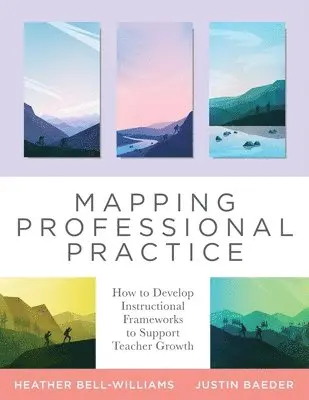
Put into action, instructional frameworks help teachers locate their current level of fluency, focus on the key dimensions of professional judgment, and take their practice to the next level. Discover how to accelerate teacher growth by taking the “insider’s view” of practice, articulating key dimensions of professional judgment to create clear growth pathways for teachers at every level of fluency.
Teacher leaders, administrators, and instructional coaches will gain a replicable process for:Identifying the most promising areas of focus Drafting and piloting an initial frameworkGetting input and feedback from teachersArticulating a vision for exemplary practiceBuilding momentum and overcoming resistance to change Contents:IntroductionPart 1: What Are Instructional Frameworks?Chapter 1: Defining and Developing Instructional FrameworksChapter 2: Making Shared Expectations More SpecificChapter 3: Instructional Frameworks in Action—Case StudiesPart 2: How to Develop Instructional FrameworksChapter 4: Choose a FocusChapter 5: Bounding Your Improvement FocusChapter 6: Identifying Key ComponentsChapter 7: Articulating Levels of FluencyChapter 8: Getting Started and Getting InputPart 3: Instructional Frameworks in ActionChapter 9: Using Instructional Frameworks for Teacher GrowthChapter 10: Broader Applications for Instructional FrameworksChapter 11: Supporting Organization-Level Initiatives With Instructional FrameworksConclusion: Coming Full CircleAppendix A-QReferences and ResourcesIndex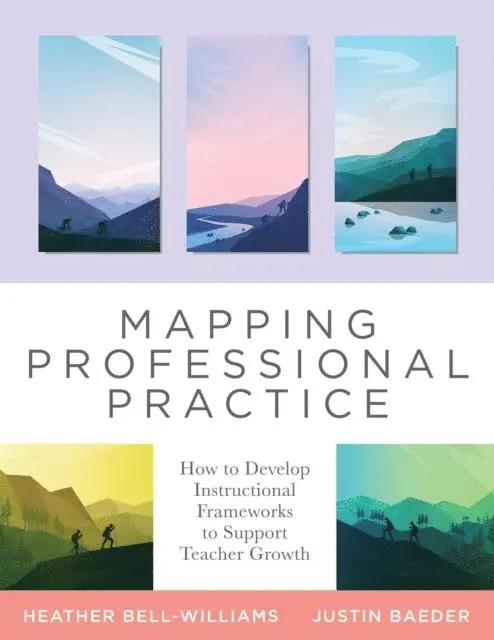
414 kr
Läs direkt efter köp
Put into action, instructional frameworks help teachers locate their current level of fluency, focus on the key dimensions of professional judgment, and take their practice to the next level. Discover how to accelerate teacher growth by taking the “insider’s view” of practice, articulating key dimensions of professional judgment to create clear growth pathways for teachers at every level of fluency.
Teacher leaders, administrators, and instructional coaches will gain a replicable process for:Identifying the most promising areas of focus Drafting and piloting an initial frameworkGetting input and feedback from teachersArticulating a vision for exemplary practiceBuilding momentum and overcoming resistance to change Contents:IntroductionPart 1: What Are Instructional Frameworks?Chapter 1: Defining and Developing Instructional FrameworksChapter 2: Making Shared Expectations More SpecificChapter 3: Instructional Frameworks in Action—Case StudiesPart 2: How to Develop Instructional FrameworksChapter 4: Choose a FocusChapter 5: Bounding Your Improvement FocusChapter 6: Identifying Key ComponentsChapter 7: Articulating Levels of FluencyChapter 8: Getting Started and Getting InputPart 3: Instructional Frameworks in ActionChapter 9: Using Instructional Frameworks for Teacher GrowthChapter 10: Broader Applications for Instructional FrameworksChapter 11: Supporting Organization-Level Initiatives With Instructional FrameworksConclusion: Coming Full CircleAppendix A-QReferences and ResourcesIndex
361 kr
Läs direkt efter köp