776 kr
Skickas inom 10-15 vardagar
776 kr
Skickas inom 10-15 vardagar
3 929 kr
Skickas inom 10-15 vardagar
822 kr
Skickas inom 10-15 vardagar
903 kr
Läs direkt efter köp
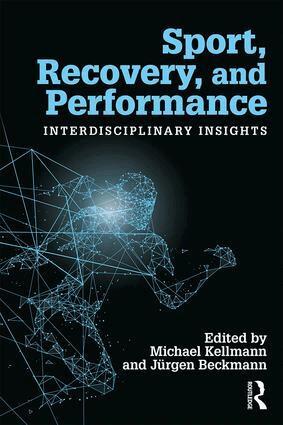
Bringing together the world’s leading experts, this multi-disciplinary collection examines both the psychological and physiological dimensions to recovery from sport.
Featuring chapters on overtraining, sleep, the relationship to injury, as well as the role of stress, this volume illustrates how performance, both as an individual and as a team, can be better managed through understanding the recovery process. It also covers the impact of travel on performance, as well as guidance on measurement and training. Based upon the contemporary models of recovery and performance in different scientific disciplines such as medicine, psychology, and sport science, expert contributors also explore implications for applied and strategic interventions to retain and stabilize performance ability.
With a large overlap from Sports, Recovery, and Performance, published in 2017, this book has seen substantial modifications with new and revised chapters. This is a must-have resource for students and scholars across the sports sciences as well as any coach interested in the latest research.
698 kr
Läs direkt efter köp
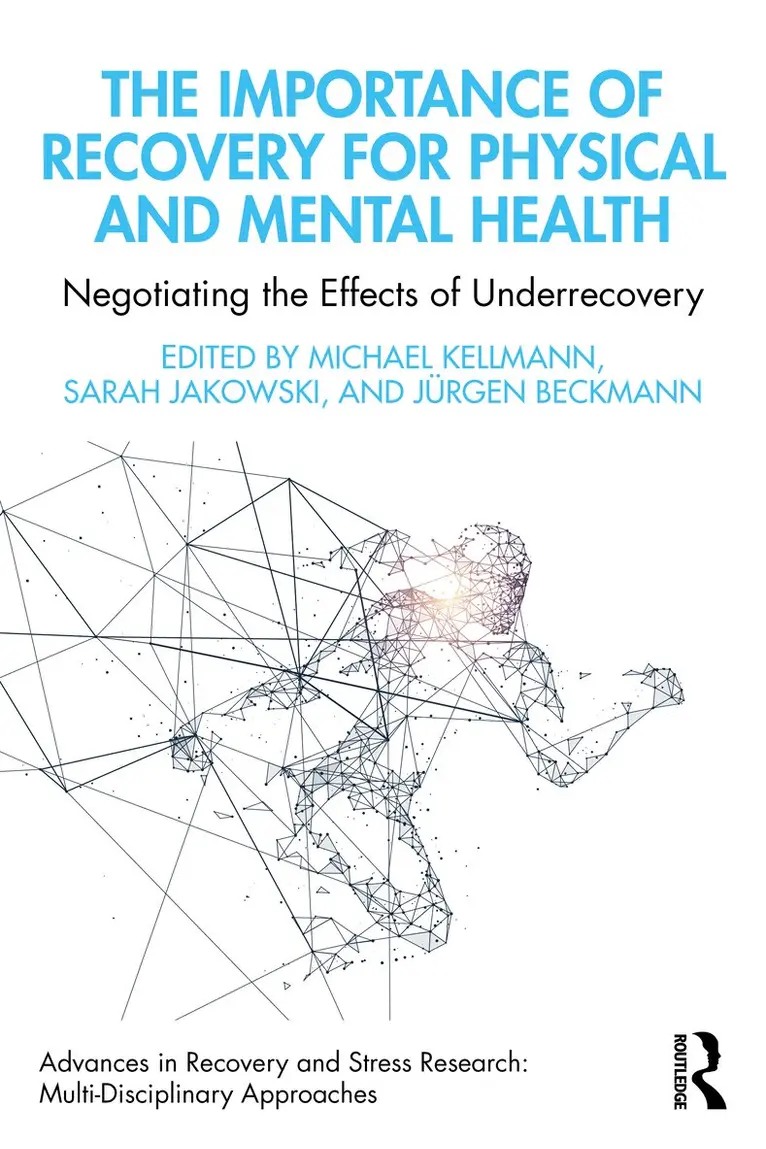
This book offers a thorough and accessible look into the importance of recovery in both staying healthy and performing well, and highlights the detrimental effects of underrecovery on physical and mental health. Internationally renowned experts from psychology, physiology, sport medicine, health, and sport science offer interdisciplinary analysis of the effects of underrecovery as well as the use of applied intervention and prevention strategies.
Over the last few decades, research in sports has provided numerous studies showing the importance of addressing recovery to find recovery-stress balance and build resources that help prevent illness and promote healthy living and well-being. Each chapter of this volume discusses a specific area of recovery, providing a collection of useful and practical lessons athletes and non-athletes can take forward in their training and beyond. Focusing on both research and applied counseling techniques to discuss recovery as an underestimated factor in physical and mental health, the book aims to enlighten readers on ways to incorporate recovery into their everyday lives to reduce stress and prevent injury.
The book is written for the scientific community, applied health scientists, students, and interested readers. It draws on experiences and scientific findings from the field of sport to make them usable for an expanded understanding of recovery in the field of health and related areas such as the workplace.
709 kr
Läs direkt efter köp
This book offers a thorough and accessible look into the importance of recovery in both staying healthy and performing well, and highlights the detrimental effects of underrecovery on physical and mental health. Internationally renowned experts from psychology, physiology, sport medicine, health, and sport science offer interdisciplinary analysis of the effects of underrecovery as well as the use of applied intervention and prevention strategies.
Over the last few decades, research in sports has provided numerous studies showing the importance of addressing recovery to find recovery-stress balance and build resources that help prevent illness and promote healthy living and well-being. Each chapter of this volume discusses a specific area of recovery, providing a collection of useful and practical lessons athletes and non-athletes can take forward in their training and beyond. Focusing on both research and applied counseling techniques to discuss recovery as an underestimated factor in physical and mental health, the book aims to enlighten readers on ways to incorporate recovery into their everyday lives to reduce stress and prevent injury.
The book is written for the scientific community, applied health scientists, students, and interested readers. It draws on experiences and scientific findings from the field of sport to make them usable for an expanded understanding of recovery in the field of health and related areas such as the workplace.
956 kr
Läs direkt efter köp
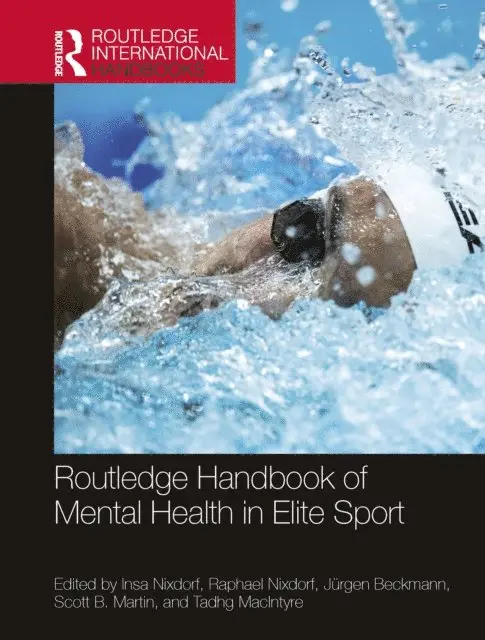
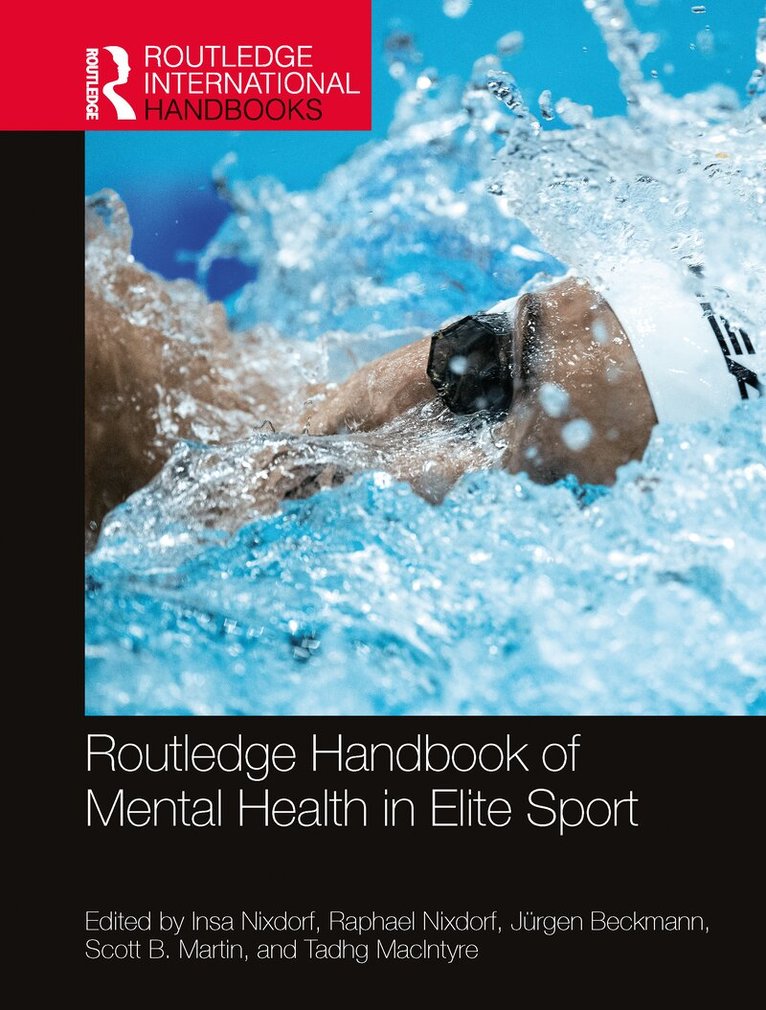
Mental health is a rapidly increasing topic in the field of sport psychology. As the relevance of athletes’ mental health has come to prominence through emerging research, there is a high demand for evidence-based practice in order to promote athletes'' mental health and prevent mental disorders as well as maladaptive syndromes. However, there is currently no comprehensive overview available that highlights the empirical evidence for the constructs of mental health, illustrating the latest developments in research, or that highlights implications for future science and practice.
The Routledge Handbook of Mental Health in Elite Sport delivers such an understanding and overview for this field, offering students, researchers, mental health professionals, applied sport psychologists, and coaches a state-of-the-art and insightful summary of science in the newly emerged field of clinical sport psychology and mental health in athletes.
This thorough volume covers major current and emerging topics on mental health and mental illness (e.g., depression), subclinical syndromes (e.g., burnout), as well as a comprehensive overview of research on prevention (e.g., green exercise) and treatment of mental health disorders in athletes and will be a vital resource for researchers, academics, and students in the fields of sport psychology, clinical psychology, sport coaching, sport sciences, health psychology, and physical activity and related disciplines.
874 kr
Läs direkt efter köp
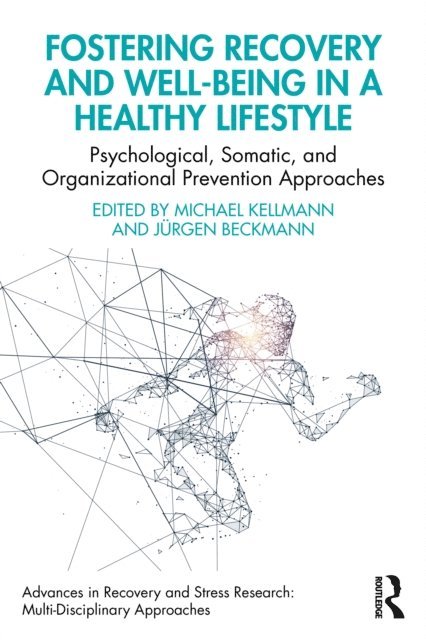
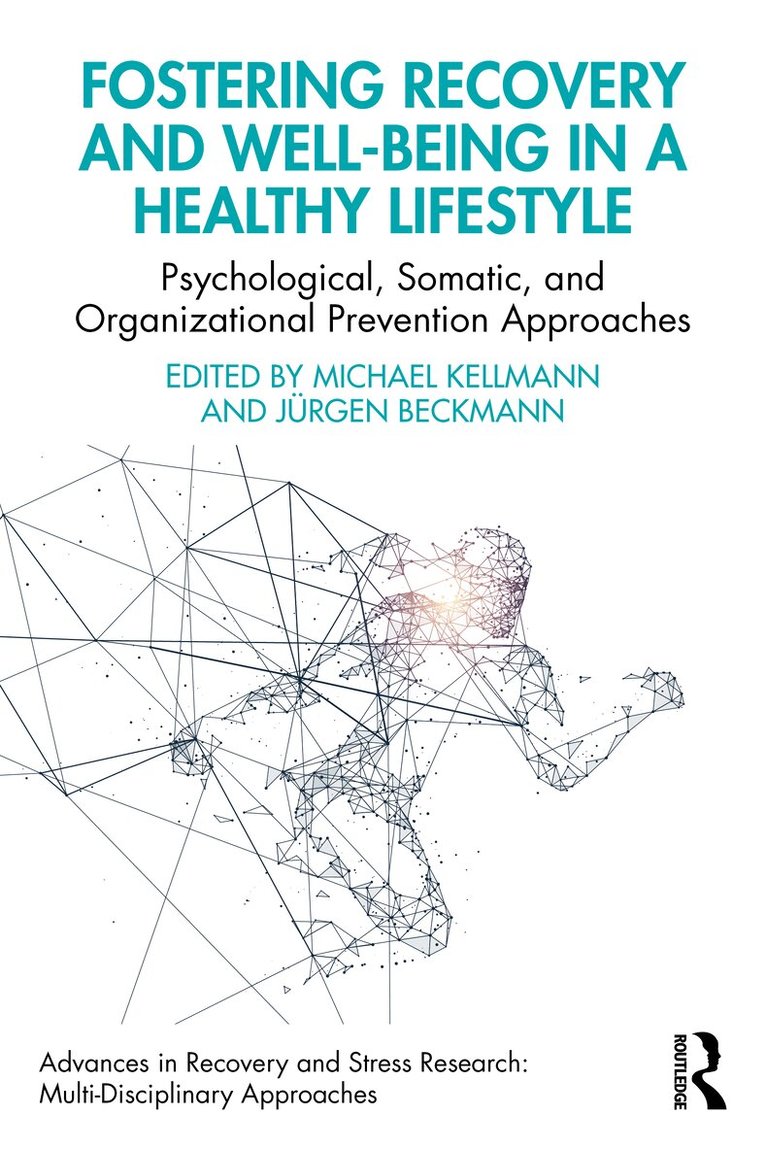
This insightful book addresses recovery as a comprehensive concept for prevention of health-threats in modern societies through active lifestyles. Several areas of society are addressed, such as sports, work environments, and the military. Internationally renowned experts from different scientific disciplines present results of empirical research as well as applied intervention techniques to effectively manage stress and promote recovery in healthy lifestyles.
Recognizing the systemic nature of stress and recovery is critical to designing effective interventions and policies. By promoting a balance between stress and recovery in physiological, psychological, and social terms, individuals and societies can build resilience, promote optimal well-being, and mitigate the negative effects of chronic stress. This book focuses on key research in the area of recovery and healthy living and addresses psychological, somatic and organizational prevention strategies that foster recovery and healthy lifestyles in society. It offers an expanded understanding of recovery in the health field and applies this to different areas, such as the workplace.
Though written for the scientific community, the book will also benefit applied health scientists, instructors, and students, as well as readers interested in applying effective well-being and recovery techniques in their own lives.
743 kr
Skickas inom 10-15 vardagar
743 kr
Skickas inom 10-15 vardagar
2 210 kr
Skickas inom 10-15 vardagar
2 602 kr
Skickas inom 10-15 vardagar
797 kr
Skickas inom 10-15 vardagar
2 682 kr
Skickas inom 10-15 vardagar
535 kr
Skickas inom 10-15 vardagar
2 089 kr
Skickas inom 10-15 vardagar
713 kr
Skickas inom 10-15 vardagar
2 602 kr
Skickas inom 10-15 vardagar
838 kr
Läs direkt efter köp
838 kr
Läs direkt efter köp
2 085 kr
Skickas inom 10-15 vardagar
676 kr
Skickas inom 10-15 vardagar
2 602 kr
Skickas inom 10-15 vardagar
803 kr
Läs direkt efter köp
Sport, Recovery and Performance is a unique multi-disciplinary collection which examines both the psychological and physiological dimensions to recovery from sport. Including contributions from medicine, neuroscience, psychology and sport science, the book expertly explores the implications for applied and strategic interventions to both retain and stabilize performance, and promote health and well-being.
Including chapters written by its leading experts, the book represents an important milestone in this evolving field of study. It covers issues around measuring recovery, the impact of overtraining on sleep and mental health, and addresses topics such as the impact of travel on performance. The book informs not only how managing recovery can improve performance, but also offers insights in how recovery can sustain athletes’ physical and mental health.
Citing research from a range of individual and team sports, as well as extreme situations and the workplace, this is an important book that will be widely read across the sport sciences.
797 kr
Läs direkt efter köp
Sport, Recovery and Performance is a unique multi-disciplinary collection which examines both the psychological and physiological dimensions to recovery from sport. Including contributions from medicine, neuroscience, psychology and sport science, the book expertly explores the implications for applied and strategic interventions to both retain and stabilize performance, and promote health and well-being.
Including chapters written by its leading experts, the book represents an important milestone in this evolving field of study. It covers issues around measuring recovery, the impact of overtraining on sleep and mental health, and addresses topics such as the impact of travel on performance. The book informs not only how managing recovery can improve performance, but also offers insights in how recovery can sustain athletes’ physical and mental health.
Citing research from a range of individual and team sports, as well as extreme situations and the workplace, this is an important book that will be widely read across the sport sciences.
786 kr
Läs direkt efter köp
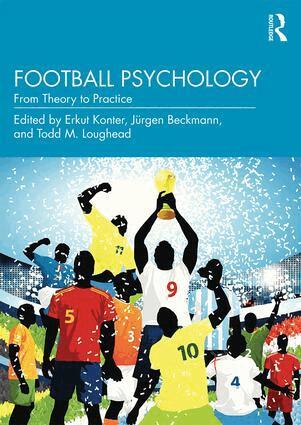
Presenting an empirically underpinned synthesis of research and theory, while offering guidance for applied practitioners, this is the first book to comprehensively map the psychology of learning, playing, and coaching the world’s favourite sport.
The book provides a complete analysis of key topics that capture the broad range of football psychology such as personality, motivation, cognition, and emotion; coaching and team essentials; psychological skills for performance enhancement; and developing players in youth football. Including contributions from a range of international researchers, each chapter provides a review of the relevant literature, key theories, real-world examples, and reflections on how knowledge can be applied in practice. Split into four sections, the book covers a diverse range of topics relevant not only to coaching and performance but also to personality development and health promotion.
Essential reading for any student, researcher, or professional in the area, the book is the most cutting-edge overview of how psychology can explain and improve the way football is both played and understood.
774 kr
Läs direkt efter köp
Presenting an empirically underpinned synthesis of research and theory, while offering guidance for applied practitioners, this is the first book to comprehensively map the psychology of learning, playing, and coaching the world’s favourite sport.
The book provides a complete analysis of key topics that capture the broad range of football psychology such as personality, motivation, cognition, and emotion; coaching and team essentials; psychological skills for performance enhancement; and developing players in youth football. Including contributions from a range of international researchers, each chapter provides a review of the relevant literature, key theories, real-world examples, and reflections on how knowledge can be applied in practice. Split into four sections, the book covers a diverse range of topics relevant not only to coaching and performance but also to personality development and health promotion.
Essential reading for any student, researcher, or professional in the area, the book is the most cutting-edge overview of how psychology can explain and improve the way football is both played and understood.