Inbunden, Engelska, 2023
567 kr
Skickas inom 10-15 vardagar
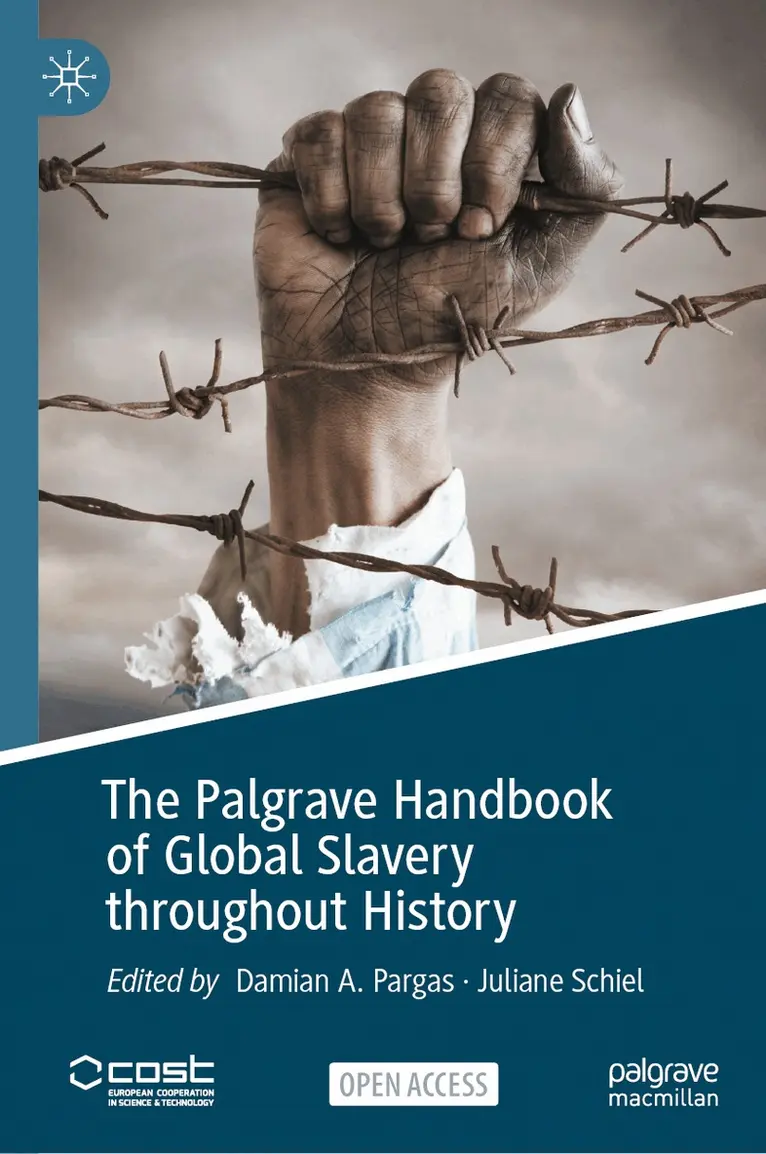
This open access handbook takes a comparative and global approach to analyse the practice of slavery throughout history. To understand slavery - why it developed, and how it functioned in various societies – is to understand an important and widespread practice in world civilisations. With research traditionally being dominated by the Atlantic world, this collection aims to illuminate slavery that existed in not only the Americas but also ancient, medieval, North and sub-Saharan African, Near Eastern, and Asian societies. Connecting civilisations through migration, warfare, trade routes and economic expansion, the practice of slavery integrated countries and regions through power-based relationships, whilst simultaneously dividing societies by class, race, ethnicity and cultural group. Uncovering slavery as a globalising phenomenon, the authors highlight the slave-trading routes that crisscrossed Africa, helped integrate the Mediterranean world, connected Indian Ocean societies andfused the Atlantic world. Split into five parts, the handbook portrays the evolution of slavery from antiquity to the contemporary era and encourages readers to realise similarities and differences between various manifestations of slavery throughout history. Providing a truly global coverage of slavery, and including thematic injections within each chronological part, this handbook is a comprehensive and transnational resource for all researchers interested in slavery, the history of labour, and anthropology.