385 kr
Skickas inom 7-10 vardagar
385 kr
Skickas inom 7-10 vardagar
503 kr
Läs direkt efter köp
First published in 1996, The Eyes of the Skin has become a classic of architectural theory. It asks the far-reaching question why, when there are five senses, has one single sense – sight – become so predominant in architectural culture and design? With the ascendancy of the digital and the all-pervasive use of the image electronically, it is a subject that has become all the more pressing and topical since the first edition’s publication in the mid-1990s. Juhani Pallasmaa argues that the suppression of the other four sensory realms has led to the overall impoverishment of our built environment, often diminishing the emphasis on the spatial experience of a building and architecture’s ability to inspire, engage and be wholly life enhancing.
For every student studying Pallasmaa’s classic text for the first time, The Eyes of the Skin is a revelation. It compellingly provides a totally fresh insight into architectural culture. This third edition meets readers’ desire for a further understanding of the context of Pallasmaa’s thinking by providing a new essay by architectural author and educator Peter MacKeith. This text combines both a biographical portrait of Pallasmaa and an outline of his architectural thinking, its origins and its relationship to the wider context of Nordic and European thought, past and present. The focus of the essay is on the fundamental humanity, insight and sensitivity of Pallasmaa’s approach to architecture, bringing him closer to the reader. This is illustrated by Pallasmaa’s sketches and photographs of his own work. The new edition also provides a foreword by the internationally renowned architect Steven Holl and a revised introduction by Pallasmaa himself.
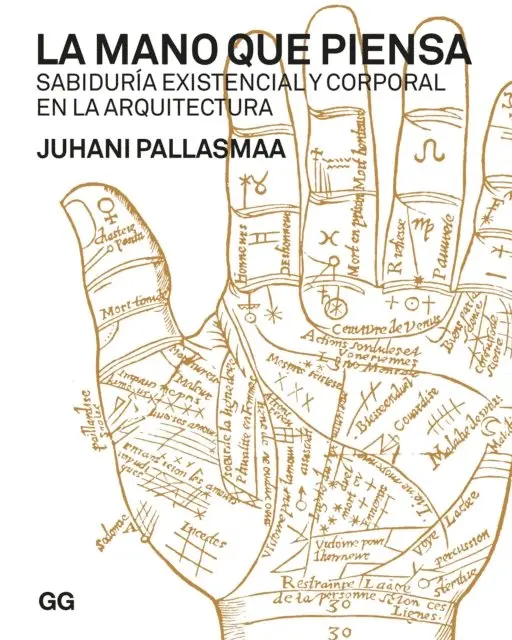
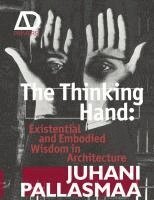
Existential and Embodied Wisdom in Architecture
516 kr
Skickas inom 7-10 vardagar
262 kr
Skickas inom 7-10 vardagar
385 kr
Skickas inom 7-10 vardagar
1 056 kr
Skickas inom 7-10 vardagar
886 kr
Läs direkt efter köp
Leading neuroscientists and architects explore how the built environment affects our behavior, thoughts, emotions, and well-being.
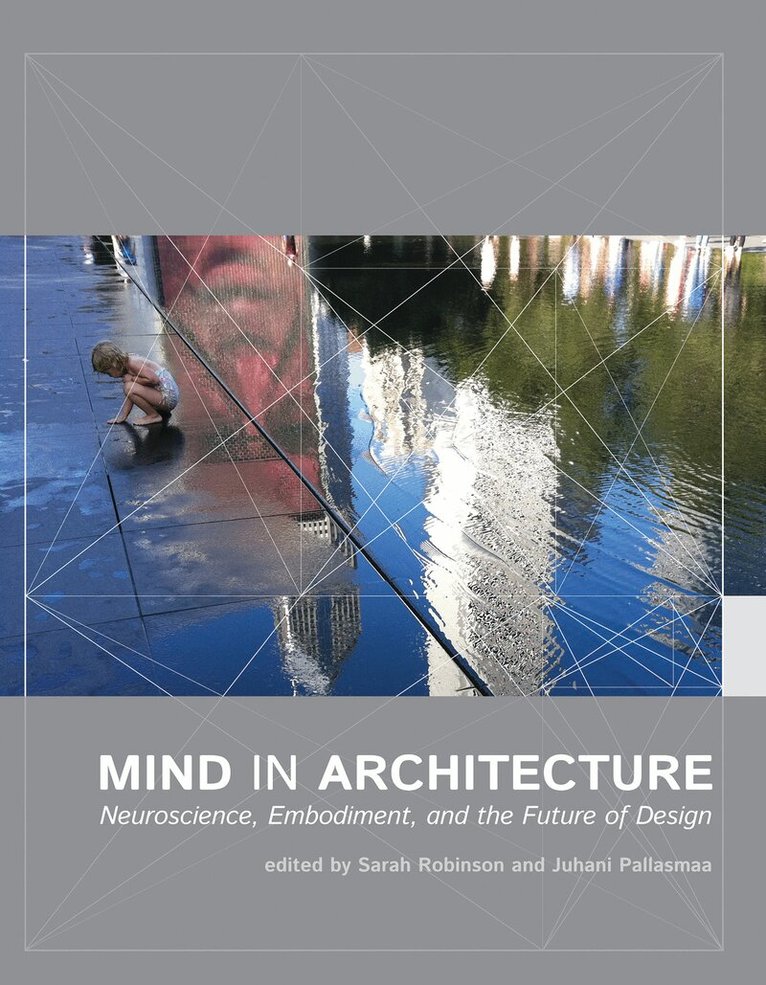
Although we spend more than ninety percent of our lives inside buildings, we understand very little about how the built environment affects our behavior, thoughts, emotions, and well-being. We are biological beings whose senses and neural systems have developed over millions of years; it stands to reason that research in the life sciences, particularly neuroscience, can offer compelling insights into the ways our buildings shape our interactions with the world. This expanded understanding can help architects design buildings that support both mind and body. In Mind in Architecture, leading thinkers from architecture and other disciplines, including neuroscience, cognitive science, psychiatry, and philosophy, explore what architecture and neuroscience can learn from each other. They offer historical context, examine the implications for current architectural practice and education, and imagine a neuroscientifically informed architecture of the future.
Architecture is late in discovering the richness of neuroscientific research. As scientists were finding evidence for the bodily basis of mind and meaning, architecture was caught up in convoluted cerebral games that denied emotional and bodily reality altogether. This volume maps the extraordinary opportunity that engagement with cutting-edge neuroscience offers present-day architects.
ContributorsThomas D. Albright, Michael Arbib, John Paul Eberhard, Melissa Farling, Vittorio Gallese, Alessandro Gattara, Mark L. Johnson, Harry Francis Mallgrave, Iain McGilchrist, Juhani Pallasmaa, Alberto Pérez-Gómez, Sarah Robinson
479 kr
Skickas inom 7-10 vardagar
289 kr
Skickas inom 7-10 vardagar
354 kr
Skickas inom 7-10 vardagar
Architektur kann inspirierend und einnehmend sein, sie kann sogar im Sinne Goethes »das Leben steigern«. Wie kommt es aber, dass architektonische Entwürfe am Zeichentisch oder am Computer-Bildschirm zwar meist recht gut aussehen, in der gebauten Realität jedoch oft enttäuschen?
Die Antwort hierfür, behauptet Juhani Pallasmaa, findet sich in der Vorherrschaft des Visuellen, die alle Bereiche von Technologie- und Konsumkultur umfasst und so auch in die Architekturpraxis und -lehre Einzug gehalten hat. Während unsere Erfahrung der Welt auf der Kombination aller fünf Sinne beruht, berücksichtigt die Mehrheit der heute realisierten Architektur gerade mal einen – den Sehsinn. Die Unterdrückung der anderen Erfahrungsbereiche hat unsere Umwelt sinnlich verarmen lassen und ruft Gefühle von Distanz und Entfremdung hervor.
Erstmalig 1996 (in englischer Sprache) veröffentlicht, ist Die Augen der Haut inzwischen zu einem Klassiker der Architekturtheorie geworden, der weltweit zur Pflichtlektüre an den Architekturhochschulen gehört. Das Buch besteht aus zwei Essays. Der erste gibt einen Überblick über die Entwicklung des okularzentrischen Paradigmas in der westlichen Kultur seit der griechischen Antike sowie über dessen Einfluss auf unsere Welterfahrung und die Eigenschaften der Architektur. Der zweite Essay untersucht, welche Rolle die übrigen Sinne bei authentischen Architekturerfahrungen spielen, und weist einen Weg in Richtung einer multisensorischen Architektur, welche ein Gefühl von Zugehörigkeit und Integration ermöglicht.
Seit der Erstveröffentlichung des Buchs hat die Rolle des Körpers und der Sinne ein gesteigertes Interesse in der Architekturphilosophie und Architekturlehre erfahren. Die neue, überarbeitete und ergänzte Ausgabe dieses wegweisenden Werks wird nicht nur Architekten und Studenten dazu anregen, eine ganzheitlichere Architektur zu entwerfen, sondern auch die Wahrnehmung des interessierten Laien bereichern.
»Seit Architektur – Erlebnis (1959) des dänischen Architekten Steen Eiler Rasmussen hat es keinen derart prägnanten und klar verständlichen Text mehr gegeben, der Studenten und Architekten in diesen kritischen Zeiten dabei helfen kann, eine Architektur des 21. Jahrhunderts zu entwickeln.« – Steven Holl
Juhani Pallasmaa ist einer der angesehensten finnischen Architekten und Architekturtheoretiker. In allen Bereichen seiner theoretischen und gestalterischen Tätigkeit – welche Architektur, Grafik Design, Städteplanung und Ausstellungen umfasst – betont er stets die zentrale Rolle von Identität, Sinneserfahrung und Taktilität.
2 610 kr
Skickas inom 10-15 vardagar
733 kr
Skickas inom 10-15 vardagar
767 kr
Läs direkt efter köp
This book, first published in Finnish in 1985 under the title Aalto, is a critical introduction to Finnish architect Alvar Aalto (1898–1976), written by one of Aalto’s Finnish architectural contemporaries, Kirmo Mikkola (1934–1986). The book is divided into six sections dealing with different aspects of Aalto’s architecture, from his classical beginnings to urban planning, as well as his various professional and intellectual associates.
Mikkola debunks the common opinion of a reticent Aalto to determine the roots of his thinking, seeing him as a mediator of influences from a wide variety of sources. The book was originally targeted at a Finnish audience, and so its translation requires ‘interpreters’, two architect-scholars who knew Mikkola well, Juhani Pallasmaa, and Aino Niskanen. The book also sheds light on a young generation of Finnish architects that distanced itself from Aalto as a role model, pinpointed here by the inclusion of the essay ‘Snowballs’ (1948) by Aulis Blomstedt.
Often quoted by Finnish architectural scholars, the publication finally of an English translation of Mikkola’s book will appeal to those international scholars and students who have been aware of the lack of critical perspectives from Aalto’s Finnish architect contemporaries.
574 kr
Skickas inom 7-10 vardagar
650 kr
Läs direkt efter köp
A collection of the writing of the highly influential architect, Juhani Pallasmaa, presented in short, easily accessible, and condensed ideas ideal for students
Juhani Pallasmaa is one of Finland’s most distinguished architects and architectural thinkers, publishing around 60 books and several hundred essays and shorter pieces over his career. His influential works have inspired undergraduate and postgraduate students of architecture and related disciplines for decades. In this compilation of excerpts of his writing, readers can discover his key concepts and thoughts in one easily accessible, comprehensive volume.
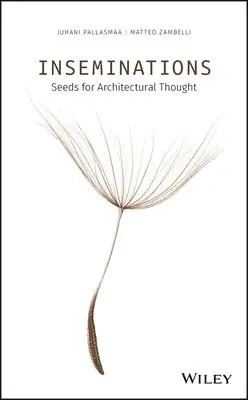
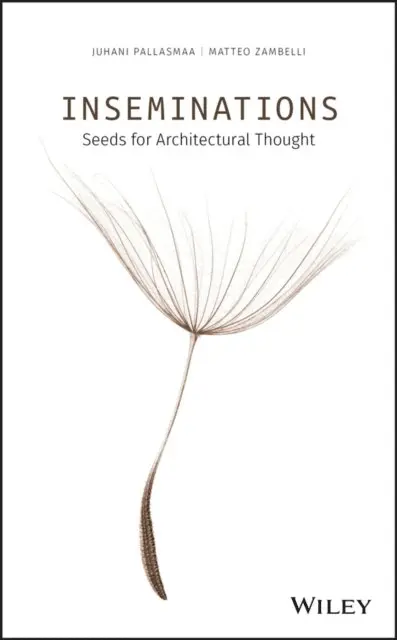
Inseminations: Seeds for Architectural Thought is a delightful collection of thoughtful ideas and compositions that float between academic essay and philosophical reflection. Wide in scope, it offers entries covering: atmospheres; biophilic beauty; embodied understanding; imperfection; light and shadow; newness and nowness; nostalgia; phenomenology of architecture; sensory thought; silence; time and eternity; uncertainty, and much more.
Makes the wider work of Pallasmaa accessible to students across the globe, introducing them to his key concepts and thoughts Exposes students to a broad range of issues on which Pallasmaa has a view Features an alphabetized structure that makes serendipitous discovery or linking of concepts more likely Presents material in short, condensed manner that can be easily digested by studentsInseminations: Seeds for Architectural Thought will appeal to undergraduate students in architecture, design, urban studies, and related disciplines worldwide.
492 kr
Läs direkt efter köp
First published in 1996, The Eyes of the Skin has become a classic of architectural theory. It asks the far-reaching question why, when there are five senses, has one single sense – sight – become so predominant in architectural culture and design? With the ascendancy of the digital and the all-pervasive use of the image electronically, it is a subject that has become all the more pressing and topical since the first edition’s publication in the mid-1990s. Juhani Pallasmaa argues that the suppression of the other four sensory realms has led to the overall impoverishment of our built environment, often diminishing the emphasis on the spatial experience of a building and architecture’s ability to inspire, engage and be wholly life enhancing.
For every student studying Pallasmaa’s classic text for the first time, The Eyes of the Skin is a revelation. It compellingly provides a totally fresh insight into architectural culture. This third edition meets readers’ desire for a further understanding of the context of Pallasmaa’s thinking by providing a new essay by architectural author and educator Peter MacKeith. This text combines both a biographical portrait of Pallasmaa and an outline of his architectural thinking, its origins and its relationship to the wider context of Nordic and European thought, past and present. The focus of the essay is on the fundamental humanity, insight and sensitivity of Pallasmaa’s approach to architecture, bringing him closer to the reader. This is illustrated by Pallasmaa’s sketches and photographs of his own work. The new edition also provides a foreword by the internationally renowned architect Steven Holl and a revised introduction by Pallasmaa himself.
433 kr
Läs direkt efter köp
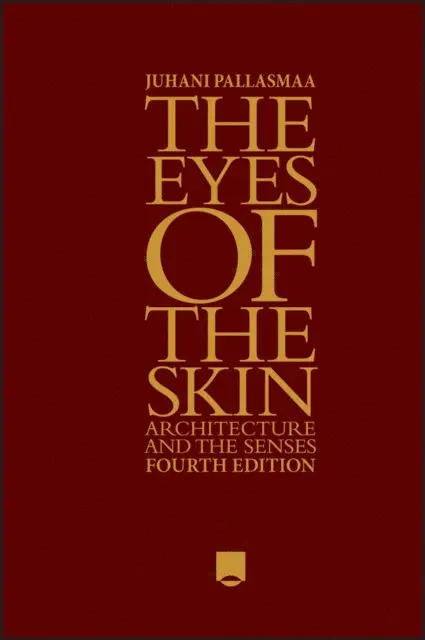
Explore the relationship between architecture and the sensory experience with the fourth edition of this groundbreaking work
First published in 1996, The Eyes of the Skin is a classic of architectural theory. It asks the far-reaching question why, when there are five senses, is one single sense—sight—so predominant in architectural culture and design? With the ascendancy of the digital and the all-pervasive use of the image electronically, the subject is all the more pressing and topical since the first edition’s publication. Juhani Pallasmaa argues that the suppression of the other four sensory realms has led to the overall impoverishment of our built environment, often diminishing the emphasis on the spatial experience of a building and architecture’s ability to inspire, engage and be wholly life enhancing.
For a student reading this text for the first time, The Eyes of the Skin is a revelation. It provides a fresh, compelling insight into architectural culture which continues to inspire more than a quarter-century after its initial publication.
The fourth edition of The Eyes of the Skin also features:
The author’s latest views on the emphasis of place, unfocused perception and existential experience Updates and clarifications throughout, to reinforce how our sense of self in the world remains our most important sense with the greatest architectural impact An updated Foreword that touches on the current understanding of the seminal importance of the existential senseThe Eyes of the Skin is a must-read for all architecture students, who will find its insights transformative.
433 kr
Läs direkt efter köp
Explore the relationship between architecture and the sensory experience with the fourth edition of this groundbreaking work
First published in 1996, The Eyes of the Skin is a classic of architectural theory. It asks the far-reaching question why, when there are five senses, is one single sense—sight—so predominant in architectural culture and design? With the ascendancy of the digital and the all-pervasive use of the image electronically, the subject is all the more pressing and topical since the first edition’s publication. Juhani Pallasmaa argues that the suppression of the other four sensory realms has led to the overall impoverishment of our built environment, often diminishing the emphasis on the spatial experience of a building and architecture’s ability to inspire, engage and be wholly life enhancing.
For a student reading this text for the first time, The Eyes of the Skin is a revelation. It provides a fresh, compelling insight into architectural culture which continues to inspire more than a quarter-century after its initial publication.
The fourth edition of The Eyes of the Skin also features:
The author’s latest views on the emphasis of place, unfocused perception and existential experience Updates and clarifications throughout, to reinforce how our sense of self in the world remains our most important sense with the greatest architectural impact An updated Foreword that touches on the current understanding of the seminal importance of the existential senseThe Eyes of the Skin is a must-read for all architecture students, who will find its insights transformative.
433 kr
Läs direkt efter köp
Discover the insights and lessons of architect Juhani Pallasmaa
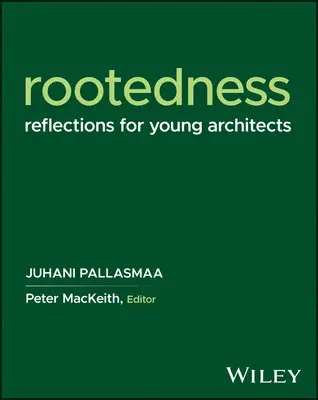
In Rootedness: Reflections for Young Architects, Juhani Pallasmaa delivers an insightful and expansive collection of his most compelling ideas into architecture’s position among arts and culture. Pallasmaa speaks to architecture students and young professionals, discussing each topic with sincerity and openness, suggesting what can be learned from areas of culture beyond the boundaries of familiar professional disciplines. He outlines the growing need for an architecture based in self-awareness, reconnection to the environment, and a sense of ethical responsibility.
Each essay in Rootedness was initially conceived and presented as an educational lecture and has been carefully edited with clarifications, refinements, and valuable expansions. Accompanying sketches by the author emphasize the personal and intimate nature of the essays. The book also includes:
Explorations of perception, creative practice, and the need for an ethical stance Thoughts, meditations, and challenges emerging from the author’s search for identity and purpose in his architectural work A wealth of references within the essays, as well as recommendations for books and films from which readers may draw further inspirationDesigned for students of architecture at any age, Rootedness: Reflections for Young Architects will also inspire professional architects, designers, and those in other creative professions.
436 kr
Läs direkt efter köp
Discover the insights and lessons of architect Juhani Pallasmaa
In Rootedness: Reflections for Young Architects, Juhani Pallasmaa delivers an insightful and expansive collection of his most compelling ideas into architecture’s position among arts and culture. Pallasmaa speaks to architecture students and young professionals, discussing each topic with sincerity and openness, suggesting what can be learned from areas of culture beyond the boundaries of familiar professional disciplines. He outlines the growing need for an architecture based in self-awareness, reconnection to the environment, and a sense of ethical responsibility.
Each essay in Rootedness was initially conceived and presented as an educational lecture and has been carefully edited with clarifications, refinements, and valuable expansions. Accompanying sketches by the author emphasize the personal and intimate nature of the essays. The book also includes:
Explorations of perception, creative practice, and the need for an ethical stance Thoughts, meditations, and challenges emerging from the author’s search for identity and purpose in his architectural work A wealth of references within the essays, as well as recommendations for books and films from which readers may draw further inspirationDesigned for students of architecture at any age, Rootedness: Reflections for Young Architects will also inspire professional architects, designers, and those in other creative professions.
603 kr
Skickas inom 7-10 vardagar
683 kr
Läs direkt efter köp
683 kr
Läs direkt efter köp
366 kr
Skickas inom 7-10 vardagar
221 kr
Skickas inom 7-10 vardagar
661 kr
Skickas
806 kr
Skickas
154 kr
Läs direkt efter köp
154 kr
Läs direkt efter köp