953 kr
Skickas inom 7-10 vardagar
953 kr
Skickas inom 7-10 vardagar
383 kr
Skickas inom 7-10 vardagar
100 kr
Läs direkt efter köp
2 526 kr
Skickas inom 10-15 vardagar
685 kr
Skickas inom 7-10 vardagar
814 kr
Läs direkt efter köp
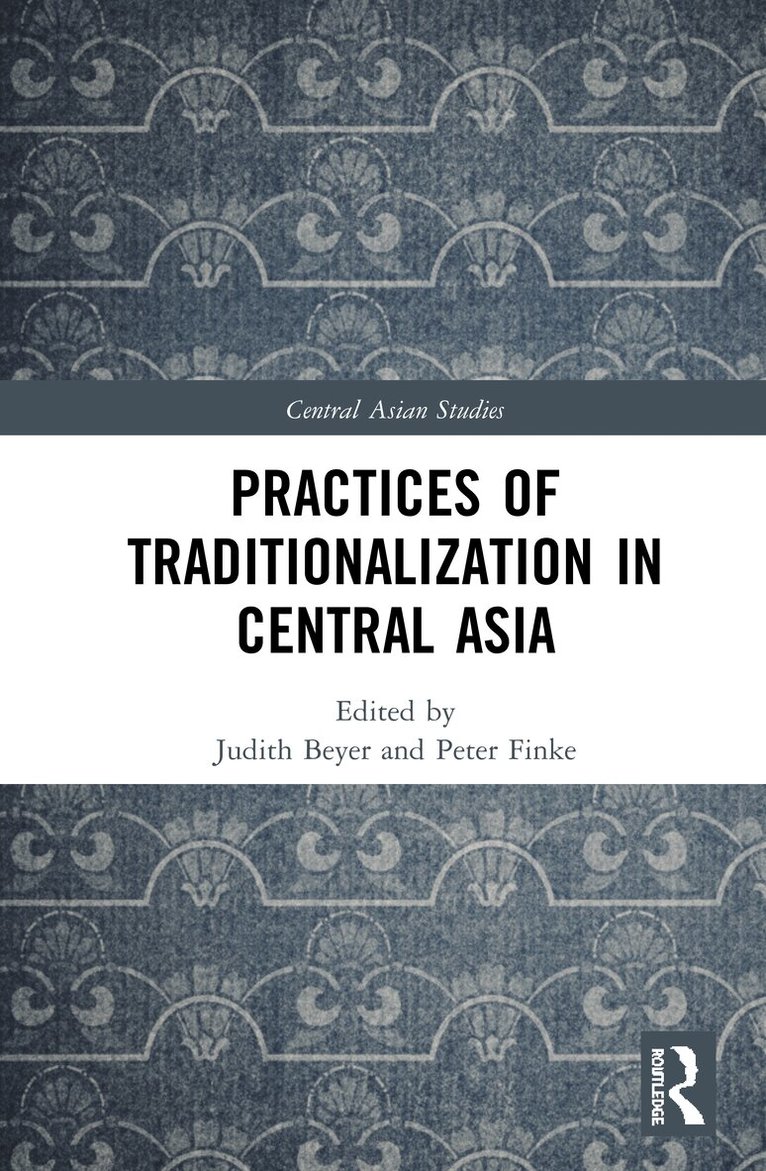
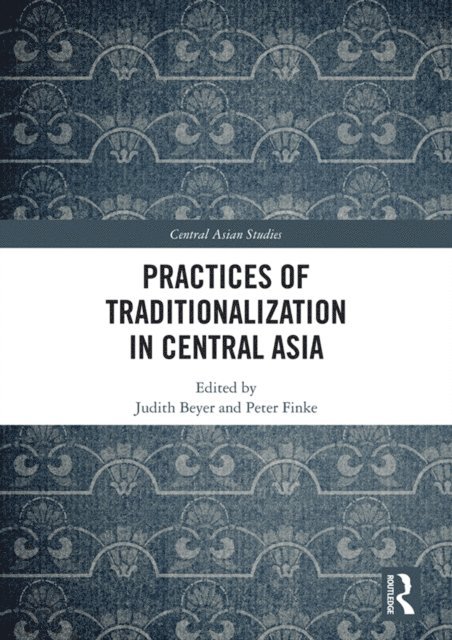
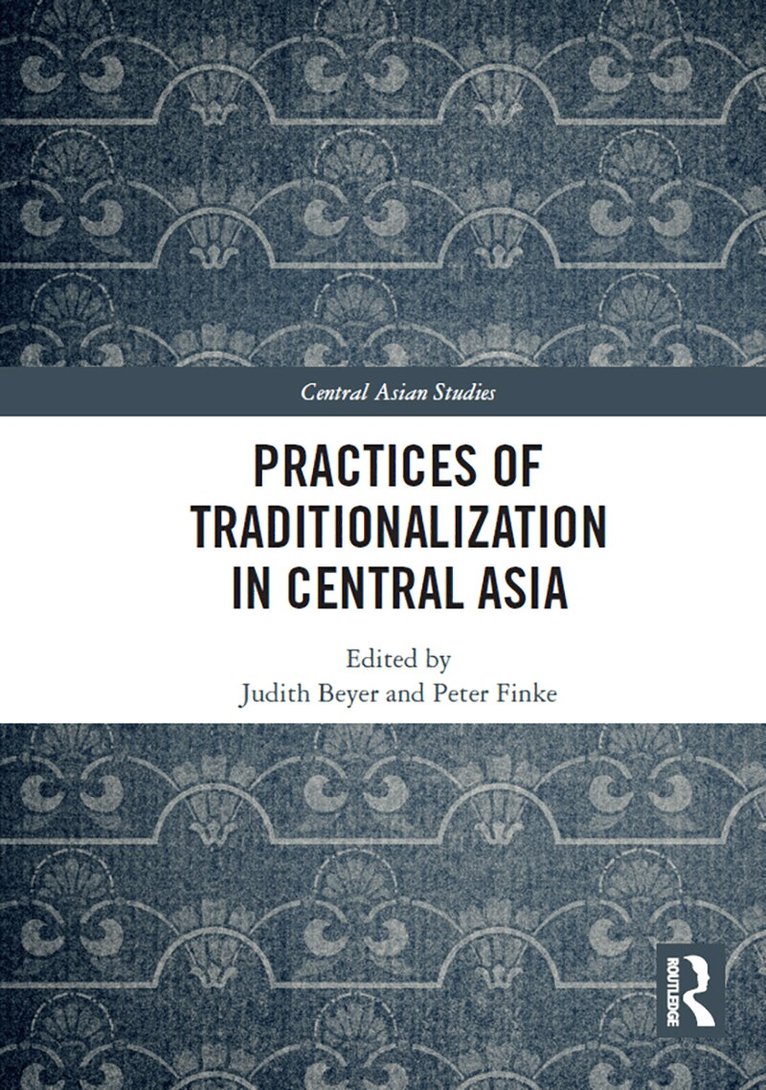
Practices of Traditionalization in Central Asia focuses on how tradition is ‘everyday-ified’ in contemporary Central Asia, including Tatarstan and Tibet, and what people seek to achieve in its name. The case studies range from political demonstrations and industrial workers’ gatherings to institutions of religious education, minority communities, weddings, and the Internet.
In this volume we regard tradition as a practice that needs to be explored in its institutional and interactional context at a particular time, rather than as a reliable guide to the past: tradition can only be judged from the present; it is an interpretative concept, not a descriptive one. While the scholarly debate has so far centered on what tradition entails and what it does not, including the question of invention and ownership, less attention has been devoted to investigating how tradition is enacted, enforced, or motivated – in short, how it ‘gets done.’ In Central Asia, practices of traditionalization are closely related to the transformation of the socialist order and the emergence of highly stratified societies. This volume asks: When does tradition emerge as a line of argumentation, who are the actors invoking it and how is it being (materially) manifested?
Practices of Traditionalization in Central Asia will be of great interest to scholars of Central Asia, Anthropology, History, Political Science, and Sociology. The chapters were originally published as a special issue of Central Asian Survey.

808 kr
Läs direkt efter köp
Practices of Traditionalization in Central Asia focuses on how tradition is ‘everyday-ified’ in contemporary Central Asia, including Tatarstan and Tibet, and what people seek to achieve in its name. The case studies range from political demonstrations and industrial workers’ gatherings to institutions of religious education, minority communities, weddings, and the Internet.
In this volume we regard tradition as a practice that needs to be explored in its institutional and interactional context at a particular time, rather than as a reliable guide to the past: tradition can only be judged from the present; it is an interpretative concept, not a descriptive one. While the scholarly debate has so far centered on what tradition entails and what it does not, including the question of invention and ownership, less attention has been devoted to investigating how tradition is enacted, enforced, or motivated – in short, how it ‘gets done.’ In Central Asia, practices of traditionalization are closely related to the transformation of the socialist order and the emergence of highly stratified societies. This volume asks: When does tradition emerge as a line of argumentation, who are the actors invoking it and how is it being (materially) manifested?
Practices of Traditionalization in Central Asia will be of great interest to scholars of Central Asia, Anthropology, History, Political Science, and Sociology. The chapters were originally published as a special issue of Central Asian Survey.
692 kr
Skickas inom 10-15 vardagar
1 090 kr
Skickas inom 7-10 vardagar
368 kr
Skickas inom 7-10 vardagar
1 199 kr
Skickas inom 7-10 vardagar
252 kr
Kommande
1 442 kr
Skickas inom 7-10 vardagar
319 kr
Skickas
1 072 kr
Tillfälligt slut