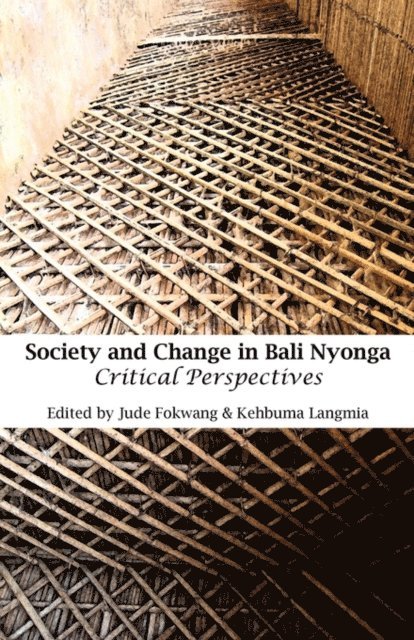
Contemporary Bali Nyonga is a rapidly growing town of over 80,000 in habitants, sixteen kilometres southwest of Bamenda, the capital of the North West region, Cameroon. If Cameroon has been aptly referred to in many circles as Africa in miniature, then Bali Nyonga, since its founding in the mid 19th century is emblematic of this so-called ,multicultural, region. This book is about change in Bali Nyonga, but it is also about change in a typical postcolonial African setting grappling with a challenging new world reality. It aims to provide cutting-edge analyses of cultural change in Bali as well as inspire a new kind of scholarship in the Cameroon Grasslands , championed by indigenous intellectuals. The contributors to this volume come from diverse academic backgrounds and as will be evident in the various chapters, their disciplinary perspectives have largely shaped their approaches to the topics under study. Hence, this book draws on anthropological, theological, literary and media studies perspective.
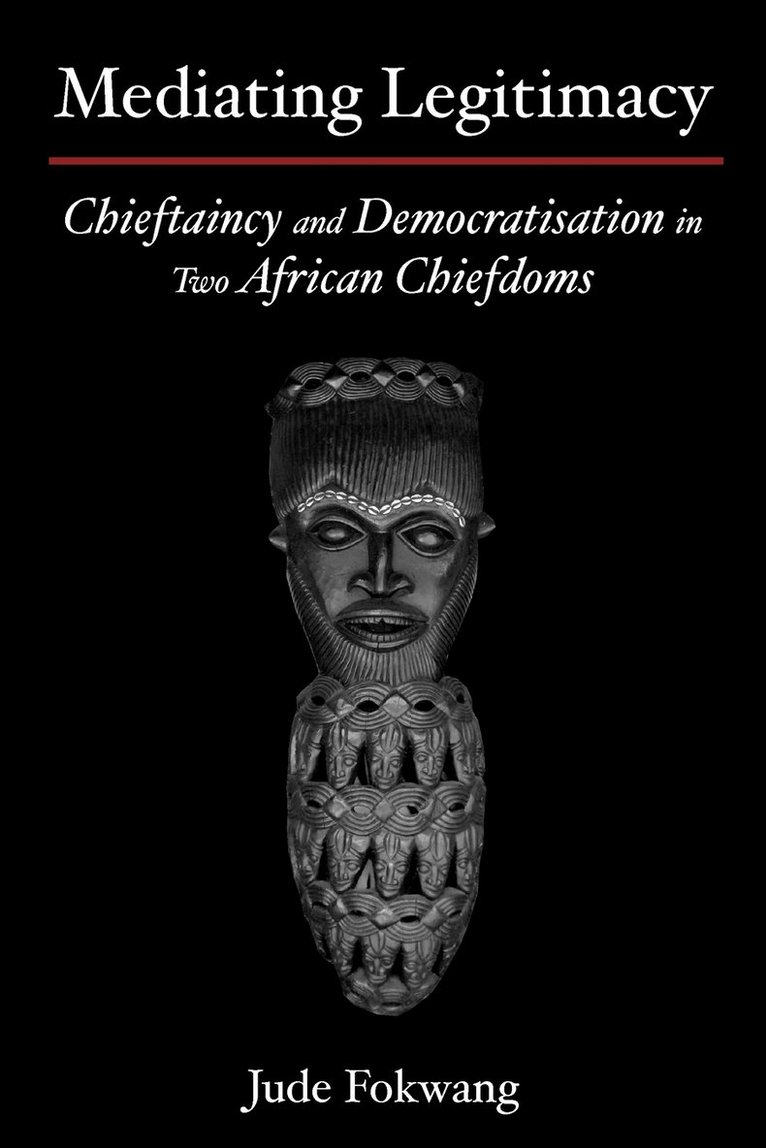
This study analyses the effects of democratic transition in two African countries - Cameroon and South Africa - on chiefs and the institution of chieftainship. Based on ethnographic fieldwork, the monograph explores the cultural and socio-political conditions that enabled chiefs to reinvent themselves in the new era of democratic politics despite their status as 'old political actors'. It explores the kinds of legitimacies claimed by chiefs in the new era and the responses of their subjects to such claims, particularly with respect to chiefs' involvement in national politics. The monograph makes a case for the importance of comparative research on chiefs in the era of democracy and the predicaments they face therein. It contends that contrary to exhortations about the incompatibility of chiefs and democracy, the reality is that political transition in both South Africa and Cameroon produced contradictions, creating space and a role for chiefs in a fascinating and negotiated interplay of legitimacies and history.