769 kr
Skickas inom 10-15 vardagar
769 kr
Skickas inom 10-15 vardagar
369 kr
Skickas inom 10-15 vardagar
487 kr
Skickas inom 7-10 vardagar
927 kr
Skickas inom 7-10 vardagar
1 705 kr
Skickas inom 10-15 vardagar
714 kr
Skickas inom 10-15 vardagar
803 kr
Läs direkt efter köp
2 526 kr
Skickas inom 10-15 vardagar
754 kr
Skickas inom 10-15 vardagar
401 kr
Skickas inom 7-10 vardagar
384 kr
Läs direkt efter köp
386 kr
Läs direkt efter köp
1 322 kr
Skickas inom 7-10 vardagar
419 kr
Skickas inom 7-10 vardagar
1 067 kr
Skickas inom 7-10 vardagar
543 kr
Läs direkt efter köp
569 kr
Skickas inom 7-10 vardagar
430 kr
Läs direkt efter köp
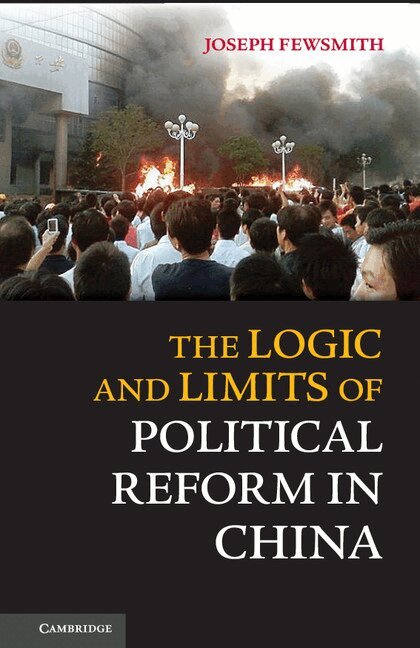
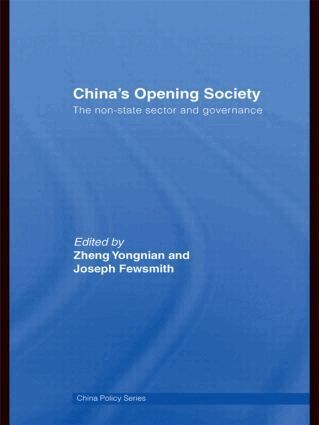
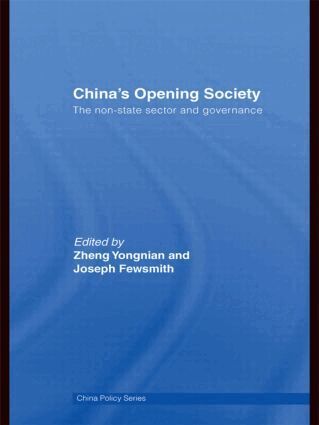
Despite its recent rapid economic growth, China’s political system has remained resolutely authoritarian. However, an increasingly open economy is creating the infrastructure for an open society, with the rise of a non-state sector in which a private economy, non-governmental organizations (NGOs) and different forms of social forces are playing an increasingly powerful role in facilitating political change and promoting good governance. This book examines the development of the non-state sector and NGOs in China since the onset of reform in the late 1970s. It explores the major issues facing the non-state sector in China today, assesses the institutional barriers that are faced by its developing civil society, and compares China’s example with wider international experience. It shows how the ‘get-rich-quick’ ethos of the Deng Xiaoping and Jiang Zemin years, that prioritised rapid GDP growth above all else, has given way under the Jiantao Hu regime to a renewed concern with social reforms, in areas such as welfare, medical care, education, and public transportation. It demonstrates how this change has led to encouragement by the Hu government of the development of the non-state sector as a means to perform regulatory functions and to achieve effective provision of public and social services. It explores the tension between the government’s desire to keep the NGOs as "helping hands’ rather than as autonomous, independent organizations, and their ability to perform these roles successfully.
430 kr
Läs direkt efter köp
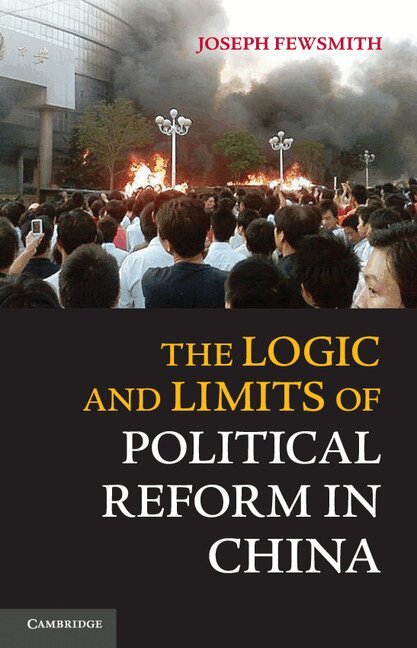
Despite its recent rapid economic growth, China’s political system has remained resolutely authoritarian. However, an increasingly open economy is creating the infrastructure for an open society, with the rise of a non-state sector in which a private economy, non-governmental organizations (NGOs) and different forms of social forces are playing an increasingly powerful role in facilitating political change and promoting good governance. This book examines the development of the non-state sector and NGOs in China since the onset of reform in the late 1970s. It explores the major issues facing the non-state sector in China today, assesses the institutional barriers that are faced by its developing civil society, and compares China’s example with wider international experience. It shows how the ‘get-rich-quick’ ethos of the Deng Xiaoping and Jiang Zemin years, that prioritised rapid GDP growth above all else, has given way under the Jiantao Hu regime to a renewed concern with social reforms, in areas such as welfare, medical care, education, and public transportation. It demonstrates how this change has led to encouragement by the Hu government of the development of the non-state sector as a means to perform regulatory functions and to achieve effective provision of public and social services. It explores the tension between the government’s desire to keep the NGOs as "helping hands’ rather than as autonomous, independent organizations, and their ability to perform these roles successfully.
2 210 kr
Skickas inom 10-15 vardagar
2 210 kr
Skickas inom 10-15 vardagar
779 kr
Läs direkt efter köp
779 kr
Läs direkt efter köp
601 kr
Skickas
883 kr
Läs direkt efter köp
864 kr
Läs direkt efter köp
838 kr
Läs direkt efter köp
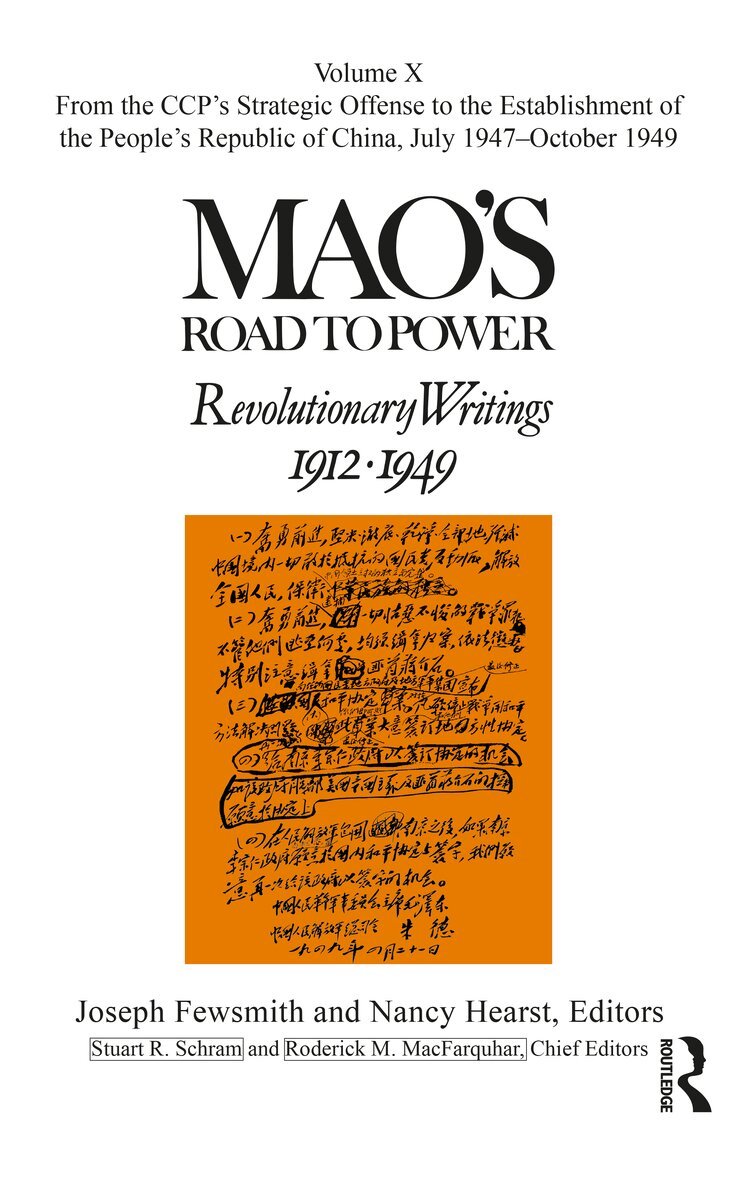
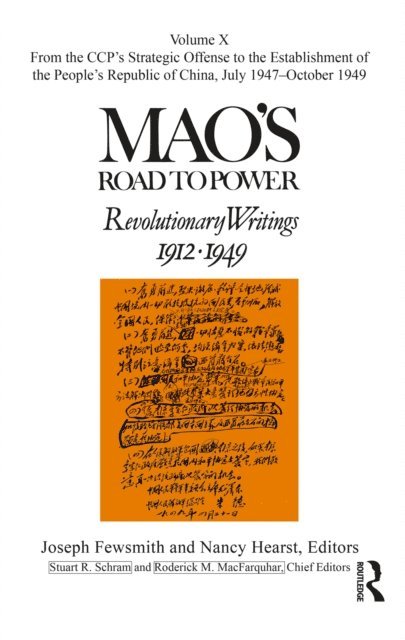
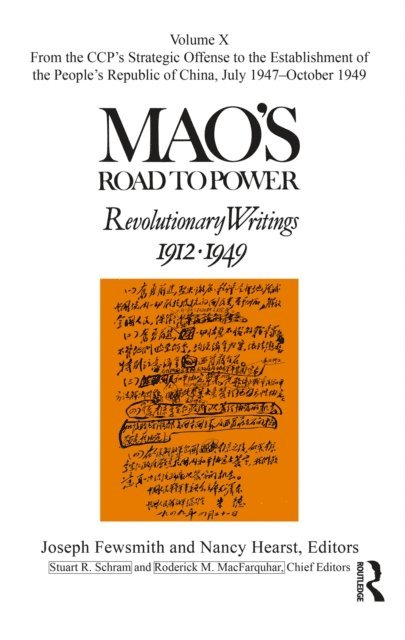
The series, Mao’s Road to Power, consisting of translations of Mao Zedong’s writings from 1912 to 1949, provides abundant documentation in his own words on his life and thought as well as developments in China during the pre-1949 period. This final volume in the series, Volume 10, covers the period from the Chinese Communist Party’s Strategic Offense during the Civil War to the Establishment of the People''s Republic of China, July 1947 to October 1949.
856 kr
Läs direkt efter köp
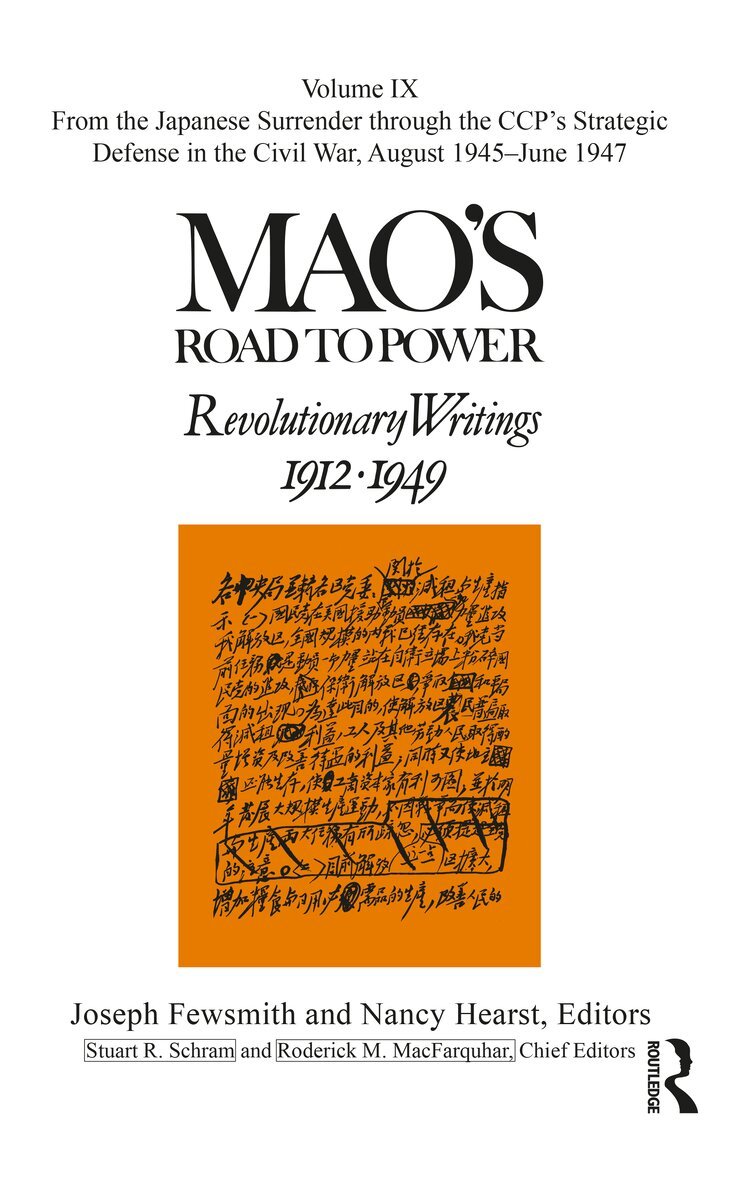
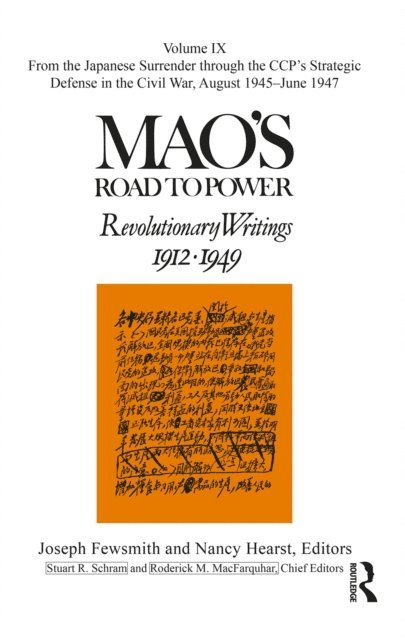
The series, Mao’s Road to Power, consisting of translations of Mao Zedong’s writings from 1912 to 1949, provides abundant documentation in his own words on his life and thought as well as on developments in China during the pre-1949 period. This penultimate volume in the series, Volume 9, covers the period from the Japanese Surrender through the Chinese Communist Party’s Strategic Defense during the Civil War, August 1945 to June 1947.