1 011 kr
Läs direkt efter köp
1 011 kr
Läs direkt efter köp
2 526 kr
Skickas inom 10-15 vardagar
2 786 kr
Läs direkt efter köp
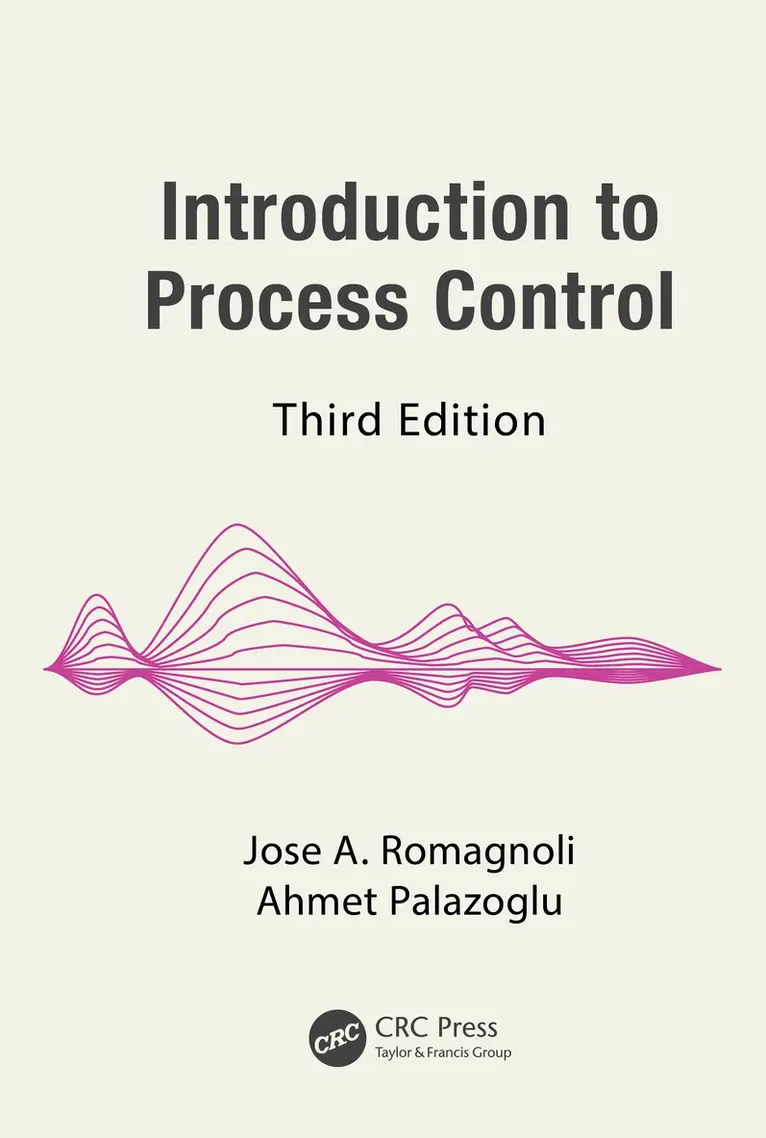
Introduction to Process Control, Third Edition continues to provide a bridge between traditional and modern views of process control by blending conventional topics with a broader perspective of integrated process operation, control, and information systems. Updated and expanded throughout, this third edition addresses issues highly relevant to today’s teaching of process control:
Discusses smart manufacturing, new data preprocessing techniques, and machine learning and artificial intelligence concepts that are part of current smart manufacturing decisions
Includes extensive references to guide the reader to the resources needed to solve modeling, classification, and monitoring problems
Introduces the link between process optimization and process control (optimizing control), including the effect of disturbances on the optimal plant operation, the concepts of steady-state and dynamic back-off as ways to quantify the economic benefits of control, and how to determine an optimal transition policy during a planned production change
Incorporates an introduction to the modern architectures of industrial computer control systems with real case studies and applications to pilot-scale operations
Analyzes the expanded role of process control in modern manufacturing, including model-centric technologies and integrated control systems
Integrates data processing/reconciliation and intelligent monitoring in the overall control system architecture
Drawing on the authors’ combined 60 years of teaching experiences, this classroom-tested text is designed for chemical engineering students but is also suitable for industrial practitioners who need to understand key concepts of process control and how to implement them. The text offers a comprehensive pedagogical approach to reinforce learning and presents a concept first followed by an example, allowing students to grasp theoretical concepts in a practical manner and uses the same problem in each chapter, culminating in a complete control design strategy. A vast number of exercises throughout ensure readers are supported in their learning and comprehension.
Downloadable MATLAB® toolboxes for process control education as well as the main simulation examples from the book offer a user-friendly software environment for interactively studying the examples in the text. These can be downloaded from the publisher’s website. Solutions manual is available for qualifying professors from the publisher.
2 805 kr
Läs direkt efter köp
Introduction to Process Control, Third Edition continues to provide a bridge between traditional and modern views of process control by blending conventional topics with a broader perspective of integrated process operation, control, and information systems. Updated and expanded throughout, this third edition addresses issues highly relevant to today’s teaching of process control:
Discusses smart manufacturing, new data preprocessing techniques, and machine learning and artificial intelligence concepts that are part of current smart manufacturing decisions
Includes extensive references to guide the reader to the resources needed to solve modeling, classification, and monitoring problems
Introduces the link between process optimization and process control (optimizing control), including the effect of disturbances on the optimal plant operation, the concepts of steady-state and dynamic back-off as ways to quantify the economic benefits of control, and how to determine an optimal transition policy during a planned production change
Incorporates an introduction to the modern architectures of industrial computer control systems with real case studies and applications to pilot-scale operations
Analyzes the expanded role of process control in modern manufacturing, including model-centric technologies and integrated control systems
Integrates data processing/reconciliation and intelligent monitoring in the overall control system architecture
Drawing on the authors’ combined 60 years of teaching experiences, this classroom-tested text is designed for chemical engineering students but is also suitable for industrial practitioners who need to understand key concepts of process control and how to implement them. The text offers a comprehensive pedagogical approach to reinforce learning and presents a concept first followed by an example, allowing students to grasp theoretical concepts in a practical manner and uses the same problem in each chapter, culminating in a complete control design strategy. A vast number of exercises throughout ensure readers are supported in their learning and comprehension.
Downloadable MATLAB® toolboxes for process control education as well as the main simulation examples from the book offer a user-friendly software environment for interactively studying the examples in the text. These can be downloaded from the publisher’s website. Solutions manual is available for qualifying professors from the publisher.
1 838 kr
Skickas inom 10-15 vardagar
1 939 kr
Läs direkt efter köp
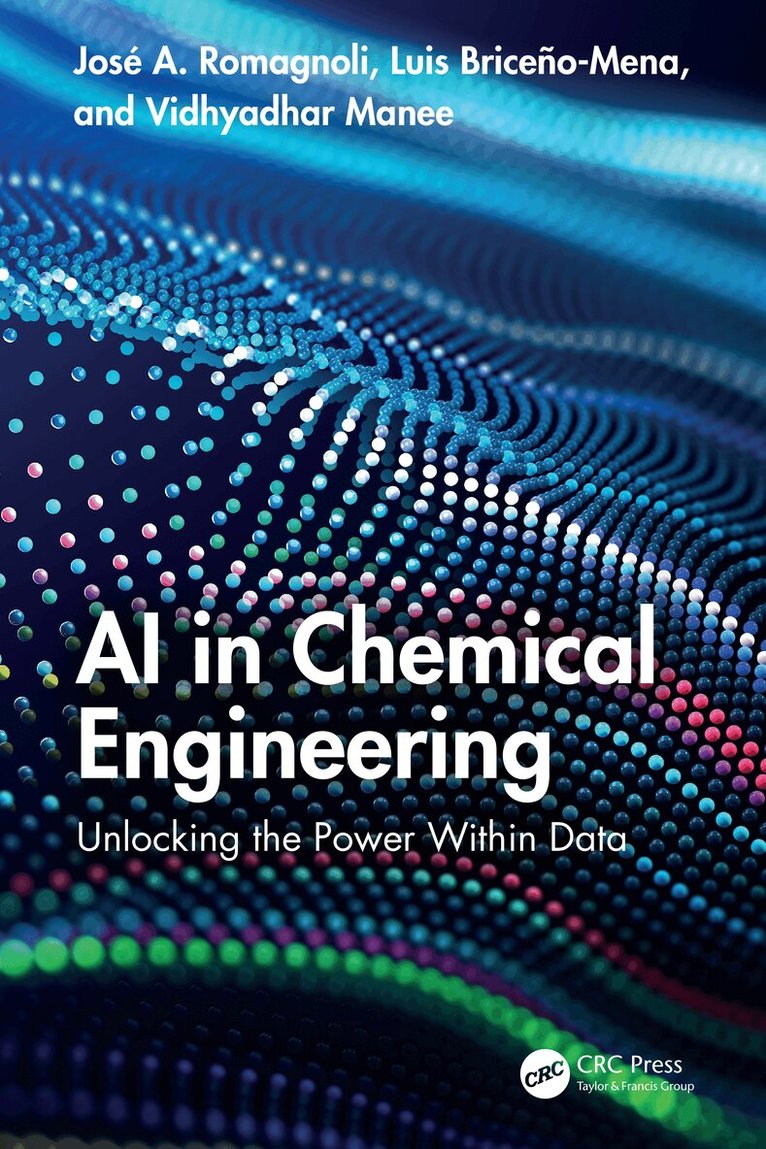
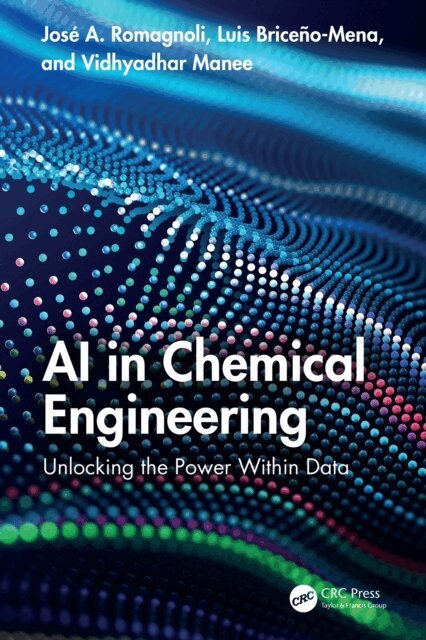
Industry 4.0 is revolutionizing chemical manufacturing. Today''s chemical companies are swiftly embracing the digital era, recognizing the significant benefits of interconnected products, production equipment, and personnel. As technology advances and production volumes grow, there is an increasing need for new computational tools and innovative solutions to address everyday challenges. AI in Chemical Engineering: Unlocking the Power Within Data introduces readers to the essential concepts of machine learning and their application in the chemical and process industries, aiming to enhance efficiency, adaptability, and profitability. This work delves into the transformation of traditional plant operations into integrated and intelligent systems, providing readers with a foundation for developing and understanding the tools necessary for data collection and analysis, thereby gaining valuable insights and practical applications.
Introduces the principles and applications of unsupervised learning and discusses the role of machine learning in extracting information from plant data and transforming it into knowledge Conveys the concepts, principles, and applications of supervised learning, setting the stage for developing advanced monitoring systems, complex predictive models, and advanced computer vision applications Explores implementation of reinforced learning ideas for chemical process control and optimization, investigating various model structures and discussing their practical implementation in both simulation and experimental units Incorporates sample code examples in Python to illustrate key concepts Includes real-life case studies in the context of chemical engineering and covers a wide variety of chemical engineering applications from oil and gas to bioengineering and electrochemistry Clearly defines types of problems in chemical engineering subject to AI solutions and relates them to subfields of AIThis practical text, designed for advanced chemical engineering students and industry practitioners, introduces concepts and theories in a logical and sequential manner. It serves as an essential resource, helping readers understand both current and emerging developments in this important and evolving field.
1 926 kr
Läs direkt efter köp
Industry 4.0 is revolutionizing chemical manufacturing. Today''s chemical companies are swiftly embracing the digital era, recognizing the significant benefits of interconnected products, production equipment, and personnel. As technology advances and production volumes grow, there is an increasing need for new computational tools and innovative solutions to address everyday challenges. AI in Chemical Engineering: Unlocking the Power Within Data introduces readers to the essential concepts of machine learning and their application in the chemical and process industries, aiming to enhance efficiency, adaptability, and profitability. This work delves into the transformation of traditional plant operations into integrated and intelligent systems, providing readers with a foundation for developing and understanding the tools necessary for data collection and analysis, thereby gaining valuable insights and practical applications.
Introduces the principles and applications of unsupervised learning and discusses the role of machine learning in extracting information from plant data and transforming it into knowledge Conveys the concepts, principles, and applications of supervised learning, setting the stage for developing advanced monitoring systems, complex predictive models, and advanced computer vision applications Explores implementation of reinforced learning ideas for chemical process control and optimization, investigating various model structures and discussing their practical implementation in both simulation and experimental units Incorporates sample code examples in Python to illustrate key concepts Includes real-life case studies in the context of chemical engineering and covers a wide variety of chemical engineering applications from oil and gas to bioengineering and electrochemistry Clearly defines types of problems in chemical engineering subject to AI solutions and relates them to subfields of AIThis practical text, designed for advanced chemical engineering students and industry practitioners, introduces concepts and theories in a logical and sequential manner. It serves as an essential resource, helping readers understand both current and emerging developments in this important and evolving field.