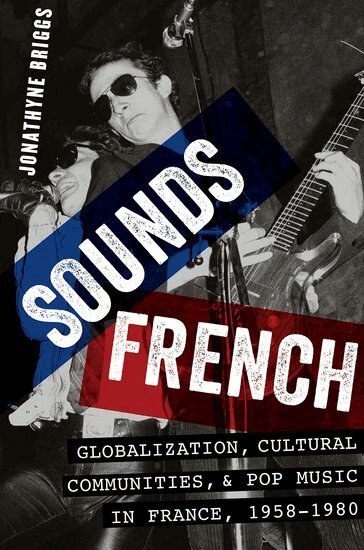
Sounds French examines the history of popular music in France between the arrival of rock and roll in 1958 and the collapse of the first wave of punk in 1980, and the connections between musical genres and concepts of community in French society. During this period, scholars have tended to view the social upheavals associated with postwar reconstruction as part of debates concerning national identity in French culture and politics, a tendency that developed from political figures'' and intellectuals'' concerns with French national identity. In this book, author Jonathyne Briggs reorients the scholarship away from an exclusive focus on national identity and instead towards an investigation of other identities that develop as a result of the increased globalization of culture. Popular music, at once individual and communal, fixed and plastic, offers an illuminating window into such transformations in social structures through the ways in which musicians, musical consumers, and critical intermediaries re-imagined themselves as part of novel cultural communities, whether local, national, or supranational in nature. Briggs argues that national identity was but one of a panoply of identities in flux during the postwar period in France, demonstrating that the development of hybridized forms of popular music provided the French with a method for expressing and understanding that flux. Drawing upon an array of printed and aural sources, including music publications, sound recordings, record sleeves, biographies, and cultural criticism, Sounds French is an essential new look at popular music in postwar France.
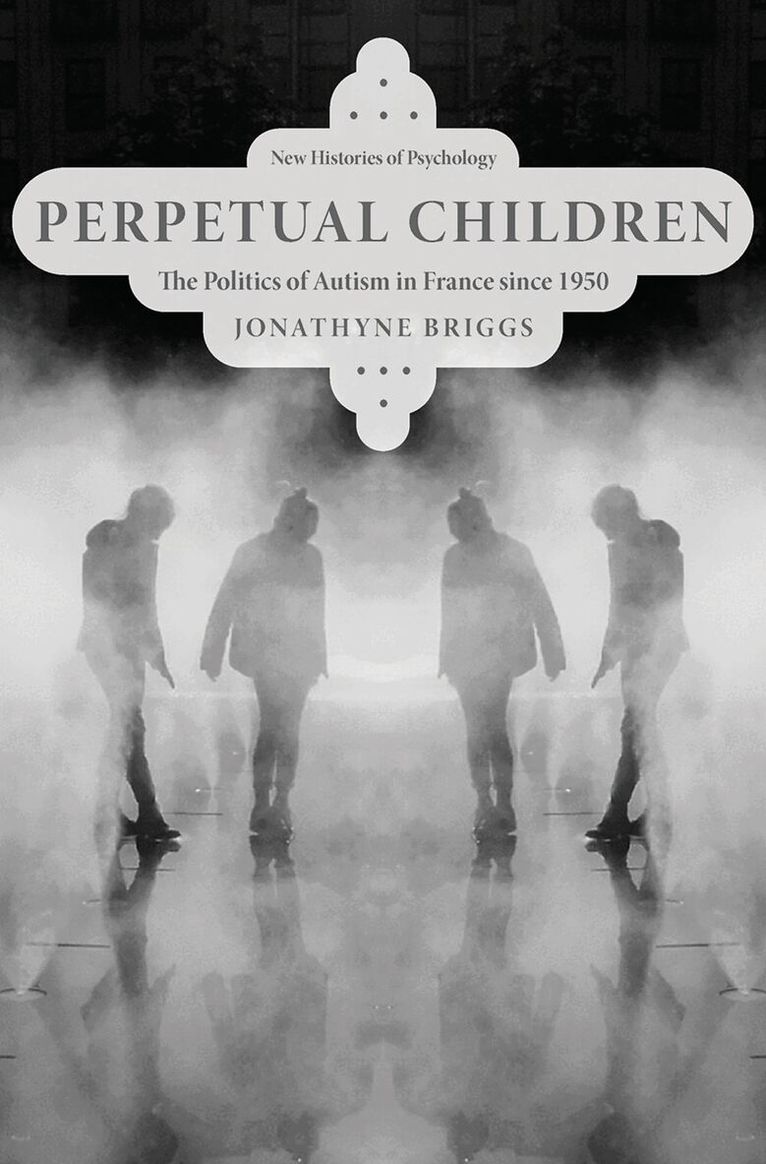
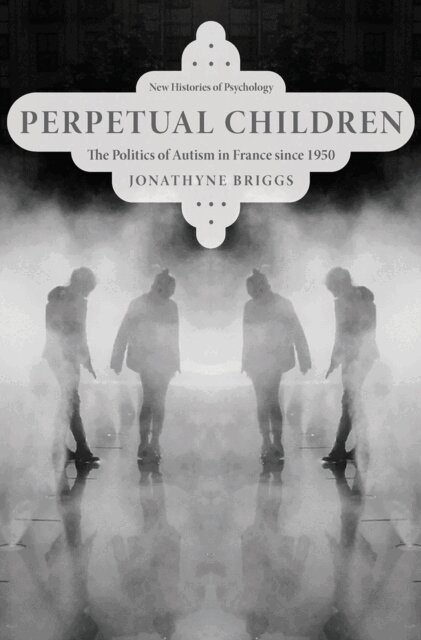
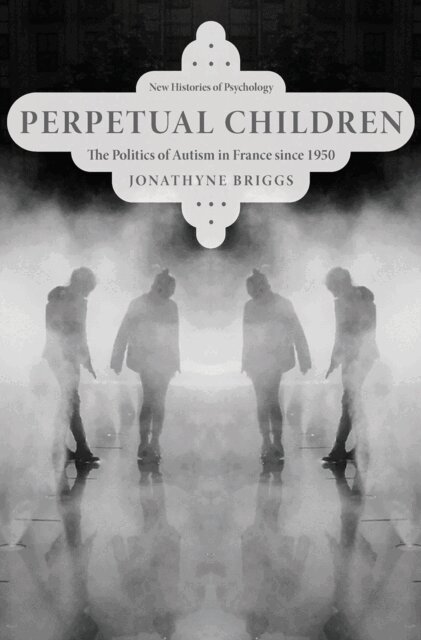
Perpetual Children is a narrative history of debates over the definition and appropriate treatment of autism in France since 1950, noting the French divergence from psychological norms in the rest of the world. Examining the works of psychoanalysts, the activities of parents' associations, and the efforts of autistic self-advocates, the book argues that the consistent framing of autism as a form of childhood psychosis marginalized autists and emphasized the voices of parents and professionals. This framing also justified the continued use of psychoanalysis as an intervention due to the placement of autism within the family dynamic. Even as research in the United States pointed to biological and neurological conceptions of autism, the French continued to support a psychogenic origin for the disorder, impacting state policy and medical norms for decades. This position energized conflict between professionals and parents concerning expertise, leading to political and legal changes at the end of the twentieth century. By the twenty-first century, French autists entered the debate to transform its parameters and assert their own position as experts on autism, reconceiving the disorder outside of childhood to a limited degree. Perpetual Children reveals the international dimension of the story of autism and how the French context provides a different perspective on its history.
Sounds French examines the history of popular music in France between the arrival of rock and roll in 1958 and the collapse of the first wave of punk in 1980, and the connections between musical genres and concepts of community in French society. During this period, scholars have tended to view the social upheavals associated with postwar reconstruction as part of debates concerning national identity in French culture and politics, a tendency that developed from political figures' and intellectuals' concerns with French national identity. In this book, author Jonathyne Briggs reorients the scholarship away from an exclusive focus on national identity and instead towards an investigation of other identities that develop as a result of the increased globalization of culture. Popular music, at once individual and communal, fixed and plastic, offers an illuminating window into such transformations in social structures through the ways in which musicians, musical consumers, and critical intermediaries re-imagined themselves as part of novel cultural communities, whether local, national, or supranational in nature. Briggs argues that national identity was but one of a panoply of identities in flux during the postwar period in France, demonstrating that the development of hybridized forms of popular music provided the French with a method for expressing and understanding that flux. Drawing upon an array of printed and aural sources, including music publications, sound recordings, record sleeves, biographies, and cultural criticism, Sounds French is an essential new look at popular music in postwar France.
Sounds French examines the history of popular music in France between the arrival of rock and roll in 1958 and the collapse of the first wave of punk in 1980, and the connections between musical genres and concepts of community in French society. During this period, scholars have tended to view the social upheavals associated with postwar reconstruction as part of debates concerning national identity in French culture and politics, a tendency that developed from political figures'' and intellectuals'' concerns with French national identity. In this book, author Jonathyne Briggs reorients the scholarship away from an exclusive focus on national identity and instead towards an investigation of other identities that develop as a result of the increased globalization of culture. Popular music, at once individual and communal, fixed and plastic, offers an illuminating window into such transformations in social structures through the ways in which musicians, musical consumers, and critical intermediaries re-imagined themselves as part of novel cultural communities, whether local, national, or supranational in nature. Briggs argues that national identity was but one of a panoply of identities in flux during the postwar period in France, demonstrating that the development of hybridized forms of popular music provided the French with a method for expressing and understanding that flux. Drawing upon an array of printed and aural sources, including music publications, sound recordings, record sleeves, biographies, and cultural criticism, Sounds French is an essential new look at popular music in postwar France.
In this special issue, contributors explore music’s place in French politics, gender formation, social identity, and cultural exchange, illustrating ways that music can and should be integrated into French and Francophone studies more broadly. The authors define music in the most inclusive way to cover art music, religious music, and popular music, as well as its producers, interlocutors, and audiences.