352 kr
Läs direkt efter köp
352 kr
Läs direkt efter köp
538 kr
Läs direkt efter köp
675 kr
Läs direkt efter köp
477 kr
Läs direkt efter köp
480 kr
Läs direkt efter köp
1 834 kr
Skickas inom 7-10 vardagar
1 894 kr
Skickas inom 7-10 vardagar
2 084 kr
Skickas inom 3-6 vardagar
436 kr
Skickas inom 7-10 vardagar
2 674 kr
Skickas inom 7-10 vardagar
1 234 kr
Skickas inom 7-10 vardagar
4 918 kr
Skickas inom 7-10 vardagar
818 kr
Skickas inom 7-10 vardagar
1 279 kr
Skickas inom 3-6 vardagar
874 kr
Skickas inom 7-10 vardagar
763 kr
Skickas inom 7-10 vardagar
2 526 kr
Skickas inom 10-15 vardagar
695 kr
Skickas inom 10-15 vardagar
1 558 kr
Skickas inom 10-15 vardagar
2 497 kr
Skickas inom 10-15 vardagar
745 kr
Skickas inom 10-15 vardagar
586 kr
Skickas inom 7-10 vardagar
2 232 kr
Skickas inom 7-10 vardagar
820 kr
Skickas inom 7-10 vardagar
2 047 kr
Skickas inom 10-15 vardagar
796 kr
Läs direkt efter köp
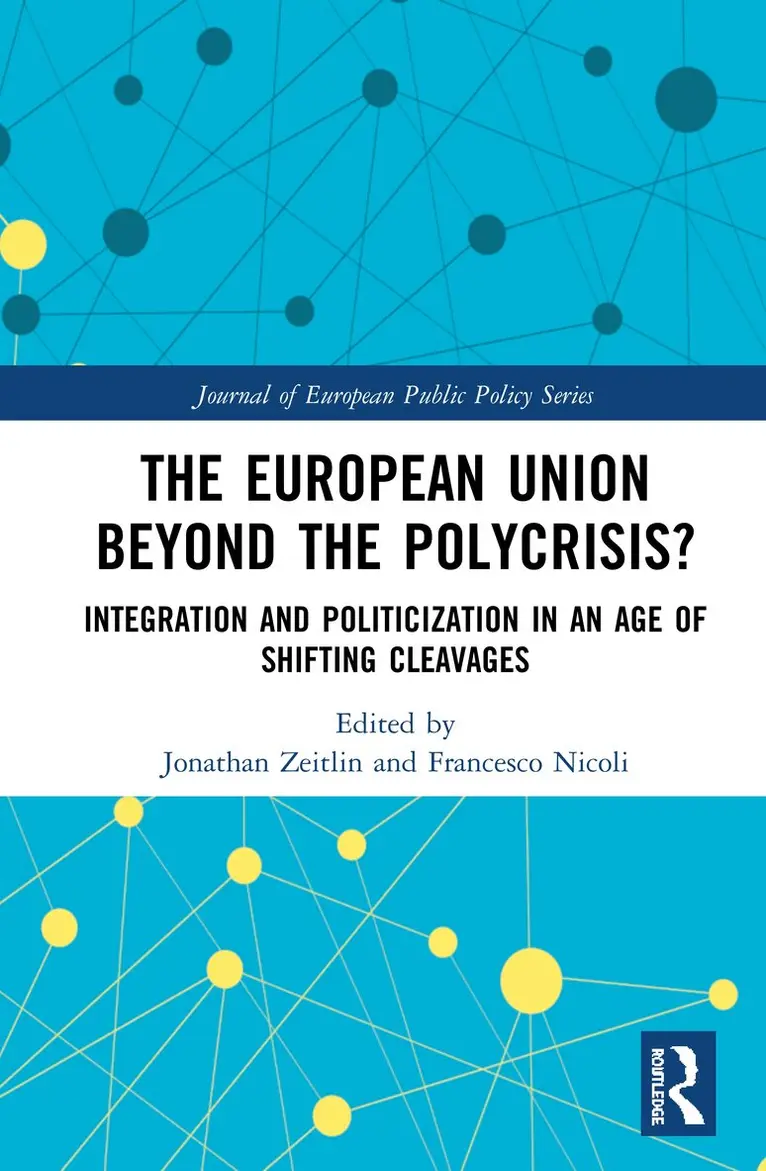
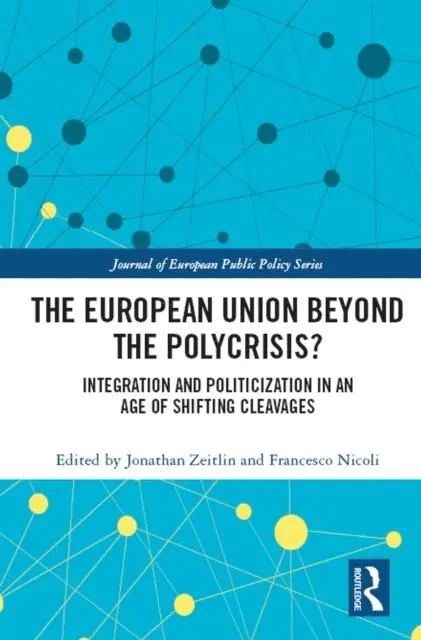
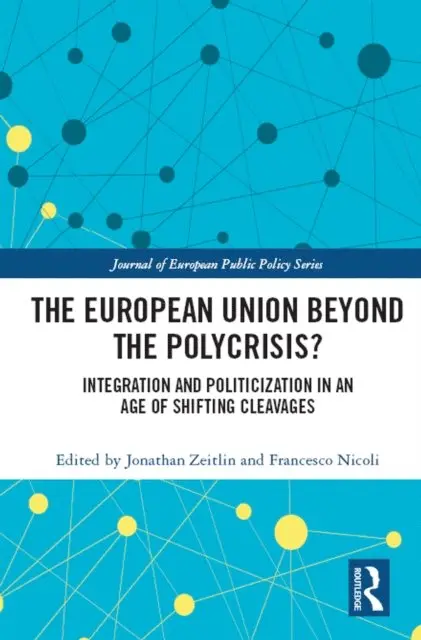
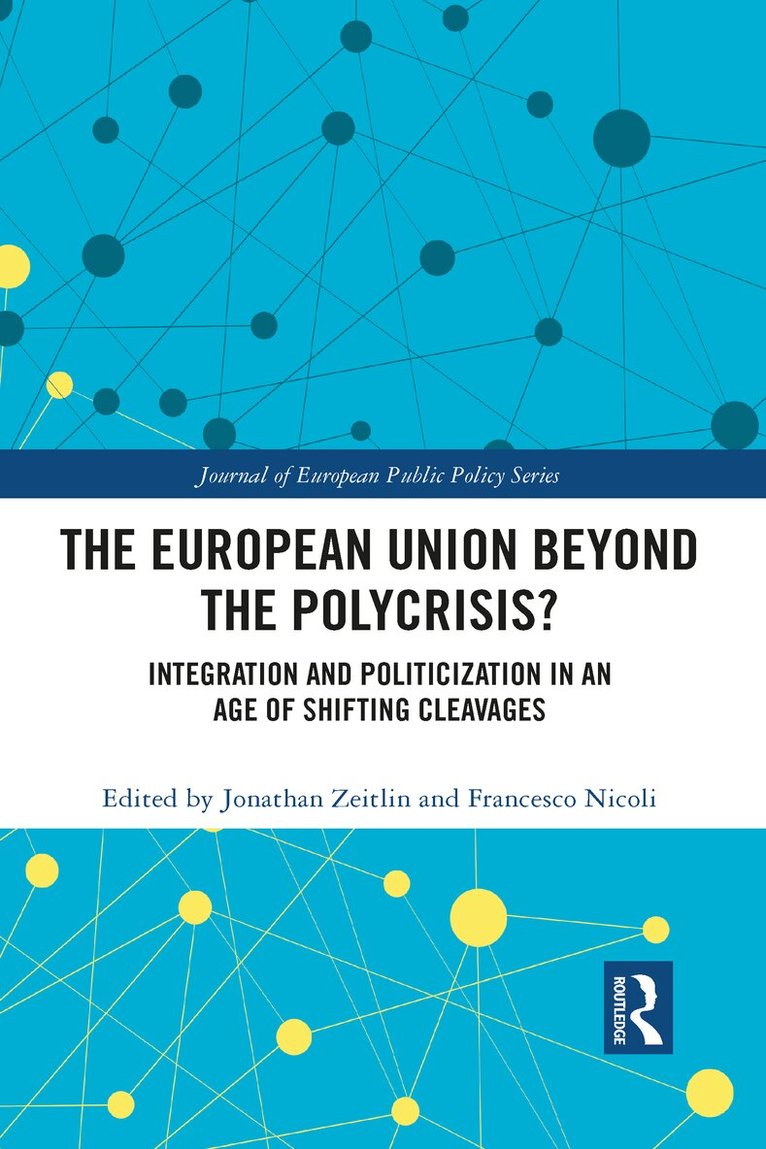
The European Union beyond the Polycrisis? explores the political dynamics of multiple crises faced by the EU, both at European level and within the member states. In so doing, it provides a state-of-the-art overview of current research on the relationship between politicization and European integration.
The book proposes that the EU’s multi-dimensional crisis can be seen as a multi-level ‘politics trap’, from which the Union is struggling to escape. The individual contributions analyze the mechanisms of this trap, its relationship to the multiple crises currently faced by the EU, and the strategies pursued by a plurality of actors (the Commission, the European Parliament, national governments) to cope with its constraints. Overall, the book suggests that comprehensive, ‘grand’ bargains are for the moment out of reach, although national and supranational actors can find ways of ‘relaxing’ the politics trap and in so doing perhaps lay the foundations for more ambitious future solutions. This book, dedicated to the exploration of the political dynamics of multiple, simultaneous crises, offers an empirical and theoretical assessment of the existing political constraints on European integration.
Analysing domestic and European political reactions to the EU’s polycrisis and assessing how EU institutions, national governments and broader publics have responded to a new era of politicization, The European Union beyond the Polycrisis? will be of great interest to scholars of European politics and the EU, as well as professionals working in EU institutions, national administrations and European advocacy groups. The chapters were originally published as a special issue of the Journal of European Public Policy.
808 kr
Läs direkt efter köp
The European Union beyond the Polycrisis? explores the political dynamics of multiple crises faced by the EU, both at European level and within the member states. In so doing, it provides a state-of-the-art overview of current research on the relationship between politicization and European integration.
The book proposes that the EU’s multi-dimensional crisis can be seen as a multi-level ‘politics trap’, from which the Union is struggling to escape. The individual contributions analyze the mechanisms of this trap, its relationship to the multiple crises currently faced by the EU, and the strategies pursued by a plurality of actors (the Commission, the European Parliament, national governments) to cope with its constraints. Overall, the book suggests that comprehensive, ‘grand’ bargains are for the moment out of reach, although national and supranational actors can find ways of ‘relaxing’ the politics trap and in so doing perhaps lay the foundations for more ambitious future solutions. This book, dedicated to the exploration of the political dynamics of multiple, simultaneous crises, offers an empirical and theoretical assessment of the existing political constraints on European integration.
Analysing domestic and European political reactions to the EU’s polycrisis and assessing how EU institutions, national governments and broader publics have responded to a new era of politicization, The European Union beyond the Polycrisis? will be of great interest to scholars of European politics and the EU, as well as professionals working in EU institutions, national administrations and European advocacy groups. The chapters were originally published as a special issue of the Journal of European Public Policy.
692 kr
Skickas inom 10-15 vardagar
883 kr
Läs direkt efter köp
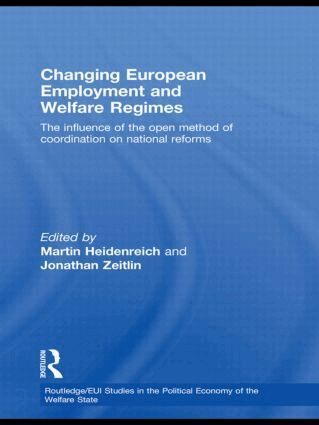
This book examines how and to what extent the European Employment Strategy and the Open Method of Coordination (OMC) on Social Protection and Social Inclusion have influenced national labour market and social welfare policies.
Focusing on the implementation of the OMC in different national environments, this book examines how the proposals and targets of the OMC are interpreted and implemented within the context of existing national employment and welfare regimes. At a theoretical level and on the basis of national case studies, the book considers how OMC objectives, guidelines, targets, and recommendations may reshape the domestic institutional framework, how learning and participation of governmental bodies are organized across different hierarchical levels, and how non-state actors may be involved in the formulation and implementation of national reform plans. The authors conclude that the OMC has contributed significantly to both substantive and procedural reforms, in spite of the many institutional barriers to Europeanization in this policy area.
Featuring comparative case studies across a number of European states, this book will be of interest to students and scholars of sociology, political science, public policy, and international relations.
877 kr
Läs direkt efter köp
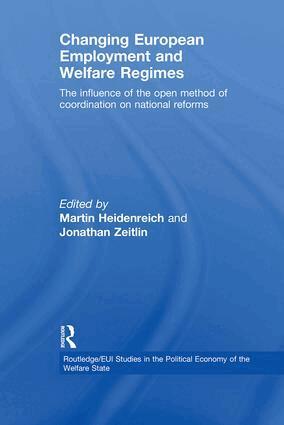
This book examines how and to what extent the European Employment Strategy and the Open Method of Coordination (OMC) on Social Protection and Social Inclusion have influenced national labour market and social welfare policies.
Focusing on the implementation of the OMC in different national environments, this book examines how the proposals and targets of the OMC are interpreted and implemented within the context of existing national employment and welfare regimes. At a theoretical level and on the basis of national case studies, the book considers how OMC objectives, guidelines, targets, and recommendations may reshape the domestic institutional framework, how learning and participation of governmental bodies are organized across different hierarchical levels, and how non-state actors may be involved in the formulation and implementation of national reform plans. The authors conclude that the OMC has contributed significantly to both substantive and procedural reforms, in spite of the many institutional barriers to Europeanization in this policy area.
Featuring comparative case studies across a number of European states, this book will be of interest to students and scholars of sociology, political science, public policy, and international relations.