199 kr
Skickas inom 7-10 vardagar
199 kr
Skickas inom 7-10 vardagar
234 kr
Skickas
115 kr
Skickas
130 kr
Skickas
124 kr
Skickas
130 kr
Skickas
116 kr
Skickas
220 kr
Skickas
210 kr
Skickas inom 7-10 vardagar
202 kr
Skickas
199 kr
Skickas
167 kr
Läs direkt efter köp
114 kr
Skickas
232 kr
Skickas
258 kr
Skickas
138 kr
Skickas
258 kr
Skickas
213 kr
Läs direkt efter köp
245 kr
Kommande
'Is it really necessary to attack Kursk, and indeed in the east this year at all? Do you think anyone even knows where Kursk is? The entire world doesn't care if we capture Kursk or not.' General Heinz Guderian.
The statistics for the Battle of Kursk are astonishing. It is the single largest battle in the history of warfare, one of the costliest battles of the Second World War, the deadliest armoured battle in history, and the opening day of the battle, 5 July 1943, was the costliest day in the history of aerial warfare in aircraft losses. Operation Zitadelle had the objective of pinching off the Kursk salient with attacks on the base of the salient from north and south simultaneously. The number of Soviet troops trapped would be enormous. By the time the Germans initiated the offensive, they had amassed around 777,000 men, 2,451 tanks and assault guns and 7,417 guns and mortars.
The German decision-making process before during and after the Battle of Kursk is surely one of the most fascinating and momentous in military history. In June, General Heinz Guderian asked Hitler: ‘What is the reason that is forcing us to attack this year on Kursk, or even more, on the Eastern Front?’ Hitler replied, ‘I know. The thought of it turns my stomach.’ Guderian said, ‘In that case your reaction to the problem is the correct one. Leave it alone.’ With his usual care and attention to detail, Jon Trigg analyses the mindset that led to the titanic clash and challenges some idees recues: Zitadelle was not doomed to failure from the start.
144 kr
Skickas
160 kr
Läs direkt efter köp
179 kr
Läs direkt efter köp
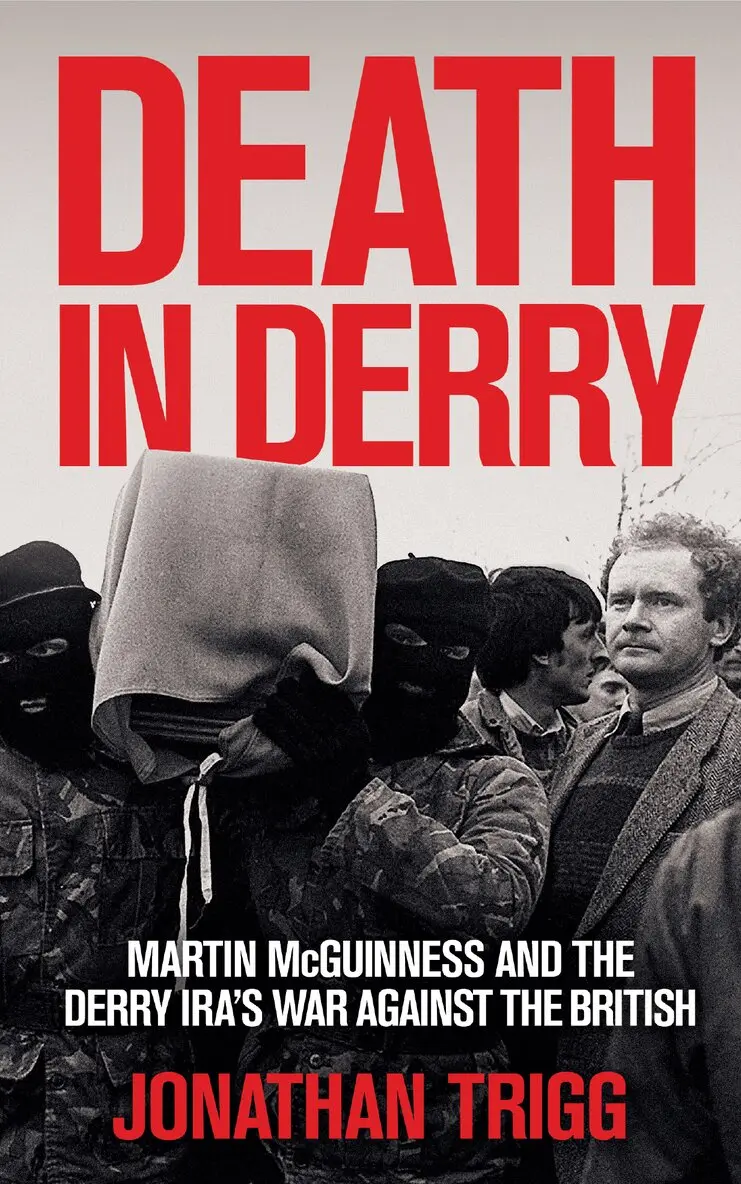
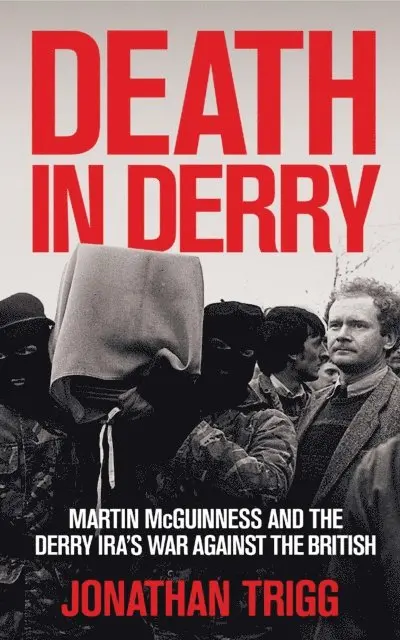
‘I was in the Army over thirty years and Derry was the most resentful place I ever served, even the dogs hated us.’
When civil rights protests in the 1960s gave way to armed struggle, the Provisional IRA in Derry – both city and county – led the fight against the British security forces. In the city Martin McGuinness – a young butcher’s assistant from the Bogside – quickly rose through the ranks, launching a bombing campaign that reduced the city centre to rubble. In tandem, the IRA’s active service units fought the British Army in the streets and alleys of the Bogside, Creggan, Shantallow and the Waterside. Out in the townlands, a new generation from the county’s traditional republican families waged an equally ruthless war against their neighbours in the RUC and UDR. The Derry Brigade’s success would help propel McGuinness to the very top of the IRA’s Army Council.
By the early 1980s the Derry Brigade appeared untouchable. However, in reality, Special Branch and British Intelligence had infiltrated it from top to bottom and almost destroyed the brigade. By the mid-1990s its war was all but over, its ranks decimated by death and incarceration. This is the story of that war told by those from all sides who survived it.
214 kr
Tillfälligt slut
217 kr
Tillfälligt slut
213 kr
Tillfälligt slut
218 kr
Tillfälligt slut