A vivid account of the Right’s subversive campaign to impose Christian nationalist rule.Time and again, when confronted with serious challenges to their power and privilege, white Christian nationalists seek solace—and satisfaction—in state-supported forms of vigilantism. This was true at the dawn of the American republic, when Northern abolitionists threatened the Southern slavocracy. It was also true in the aftermath of the Civil War, when emancipated Black Americans and their Northern allies sought to fulfill the promises of Reconstruction. And though this pattern was seemingly broken after the Civil Rights revolution of the 1950s and ’60s—and abandoned once and for all—legal vigilantism has made a surprising, roaring comeback in the months and years following the failed coup of January 6, 2021. Committed to never again losing power, let alone experiencing the humiliation that followed on the heels of the heavy-handed insurrection, overlapping networks of right-wing lawyers, politicians, plutocrats, and preachers have resurrected state-supported vigilantism. Vigilante Nation tells this story of the American Right marginalizing, subordinating, and disenfranchising the increasingly diverse and cosmopolitan members of the American polity. This book exposes the vigilantes’ plans, explains their methods—everything from book bans to anti-abortion bounties to attacks on government proceedings, including elections—and underscores the stakes. Now that supporters of democratic equality are numerous and dexterous enough to finally secure the broad promises of the civil rights revolution, the race is on for MAGA Republicans to subvert our democracy before a countermovement can rise up to thwart their insidious plans.
For readers of How Democracies Die, two legal scholars expose the MAGA Republican strategy to roll back civil, political, and privacy rights and subvert American democracy—and prescribe a plan for beating the Christian nationalists at their own game.Time and again, when confronted with serious challenges to their power and privilege, white Christian nationalists seek solace—and satisfaction—in state-supported forms of vigilantism. This was true at the dawn of the American republic, when Northern abolitionists threatened the Southern slavocracy. It was also true in the aftermath of the Civil War, when emancipated Black Americans and their Northern allies sought to fulfill the promises of Reconstruction. And though this pattern was seemingly broken after the Civil Rights revolution of the 1950s and ’60s—and abandoned once and for all—legal vigilantism has made a surprising, roaring comeback in the months and years following the failed coup of January 6, 2021. Committed to never again losing power, let alone experiencing the humiliation that followed on the heels of the ham-fisted insurrection, overlapping networks of right-wing lawyers, politicians, plutocrats, and preachers have resurrected state-supported vigilantism. Vigilante Nation tells this story of the American Right marginalizing, subordinating, and disenfranchising the increasingly diverse and cosmopolitan members of the American polity. This book exposes the vigilantes’ plans, explains their methods—everything from book bans to anti-abortion bounties to attacks on government proceedings, including elections—and underscores the stakes. Now that supporters of democratic equality are numerous and dexterous enough to finally secure the broad promises of the civil rights revolution, the race is on for Donald Trump, J.D. Vance, and the architects of Project 2025 to subvert our democracy before a countermovement can rise up to thwart their insidious plans.
For readers of How Democracies Die, two legal scholars expose the MAGA Republican strategy to roll back civil, political, and privacy rights and subvert American democracy—and prescribe a plan for beating the Christian nationalists at their own game.Time and again, when confronted with serious challenges to their power and privilege, white Christian nationalists seek solace—and satisfaction—in state-supported forms of vigilantism. This was true at the dawn of the American republic, when Northern abolitionists threatened the Southern slavocracy. It was also true in the aftermath of the Civil War, when emancipated Black Americans and their Northern allies sought to fulfill the promises of Reconstruction. And though this pattern was seemingly broken after the Civil Rights revolution of the 1950s and ’60s—and abandoned once and for all—legal vigilantism has made a surprising, roaring comeback in the months and years following the failed coup of January 6, 2021. Committed to never again losing power, let alone experiencing the humiliation that followed on the heels of the ham-fisted insurrection, overlapping networks of right-wing lawyers, politicians, plutocrats, and preachers have resurrected state-supported vigilantism. Vigilante Nation tells this story of the American Right marginalizing, subordinating, and disenfranchising the increasingly diverse and cosmopolitan members of the American polity. This book exposes the vigilantes’ plans, explains their methods—everything from book bans to anti-abortion bounties to attacks on government proceedings, including elections—and underscores the stakes. Now that supporters of democratic equality are numerous and dexterous enough to finally secure the broad promises of the civil rights revolution, the race is on for Donald Trump, J.D. Vance, and the architects of Project 2025 to subvert our democracy before a countermovement can rise up to thwart their insidious plans.
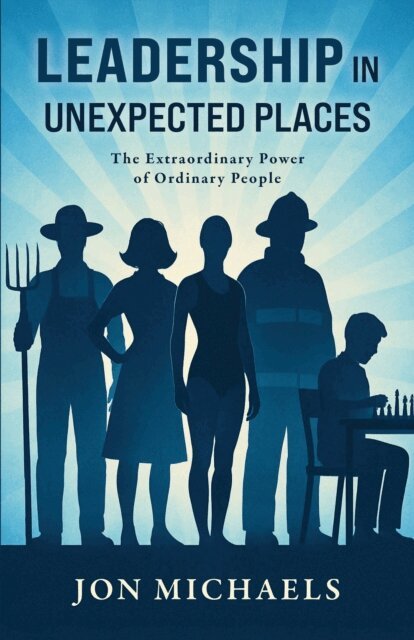
What if the best leadership lessons don't come from CEOs, politicians, all-star athletes, or celebrities-but from people you've never heard of?Leadership in Unexpected Places goes beyond the usual big names you see online the ones everyone posts about and instead shares stories you likely haven't heard but won't soon forget. Each one offers inspiration, along with practical lessons you can apply to develop your own leadership style. You'll read about: - The man who volunteered to be imprisoned in a notorious Nazi concentration camp, Auschwitz, and led a secret resistance by using fake carpentry skills and even lice to torment his captors. - The hidden biases that cause us to follow the wrong leaders and how to find better ones. - How a small-town firefighter knew exactly when to call "e;Mayday"e; to save a trapped colleague inside a burning house. - An inner-city chess team and their determined coaches who defied expectations and won a national championship. - The psychology behind why authenticity and reliability not fame or charisma are the real foundations of leadership. - A young woman who learned to swim with a rope tied around her waist and went on to shatter expectations (and maybe invented the bikini and a new type of swim goggles along the way). If you've ever wondered what kind of leader you want to be or doubted you're "e;ready"e; to lead these stories will show you that real leadership starts with character, not a title. When it's time to lead, don't look up. Look around. You'll find leadership in unexpected places and extraordinary power in ordinary people.
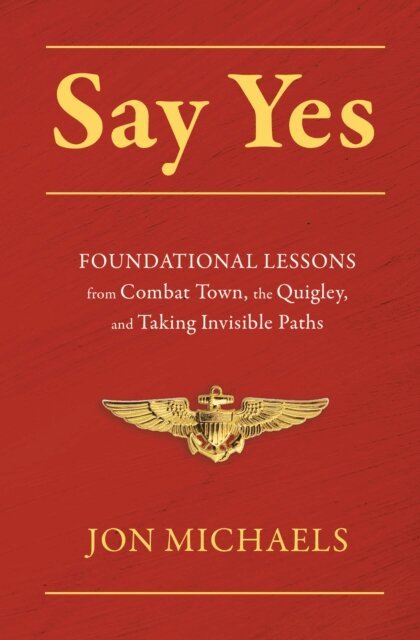
The seemingly small and insignificant events that happen to all of us have great potential to turn into significant personal and professional development experiences in the ensuing years and decades. A person is fortunate if they can recognize that even one of these foundational events has occurred and is able to learn from it. These basic lessons can be instrumental in helping us become the best version of ourselves.In Say Yes, Jon Michaels explores and reflects on universal lessons by drawing on personal stories from his time as a Marine officer and naval aviator, as well as an amateur athlete. He describes the importance of having a strong north star, understanding that little jobs aren''t bad jobs, and saying yes to meaningful opportunities when they present themselves. By combining heartfelt experiences, humility, and personal reflection, he then shares how these events and associated lessons have guided him in further developing his leadership approach today. From those just starting their career, who may not have had many foundational experiences, to mid-career professionals who could benefit from reflecting on their own experiences, to senior leaders looking for ways to inspire and mentor their teams, Say Yes shares simple wisdom, practical advice, and an optimistic outlook that everyone can apply to their personal and professional life.