289 kr
Skickas
289 kr
Skickas
827 kr
Skickas inom 10-15 vardagar
695 kr
Skickas inom 10-15 vardagar
820 kr
Läs direkt efter köp
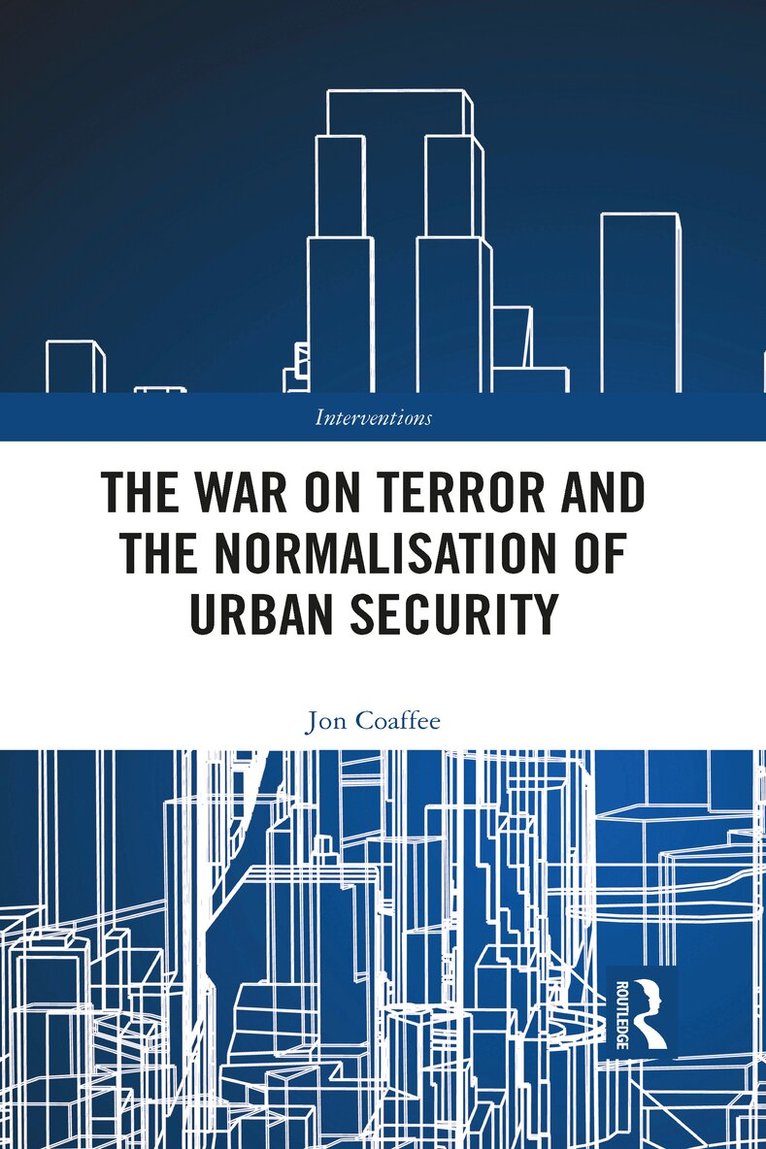
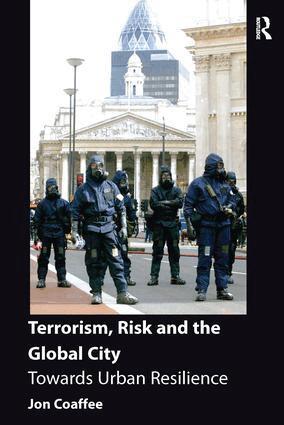
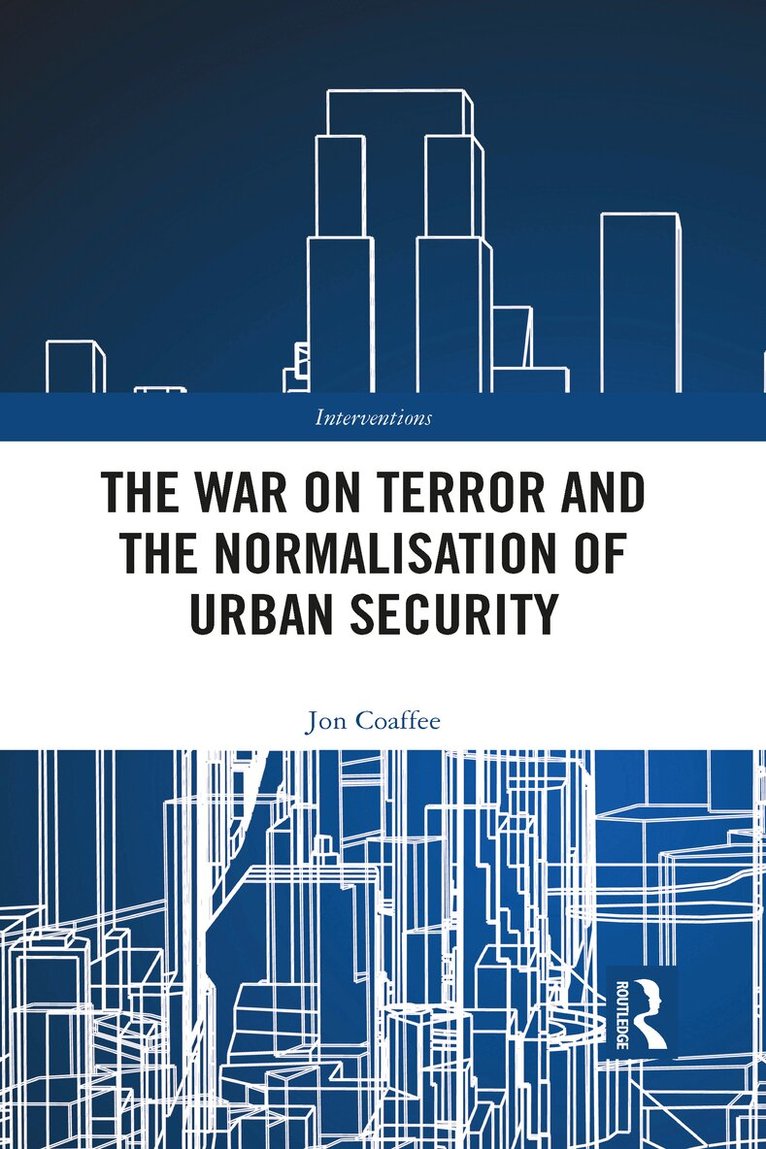
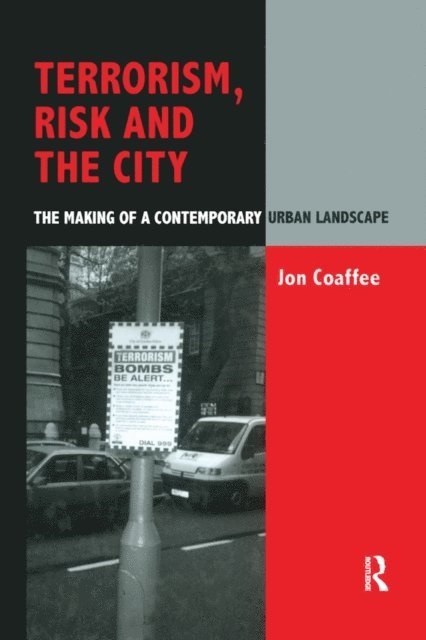
This book explores the processes by which, in the 20 years after 9/11, the practices of urban security and counter-terrorism have impacted the everyday experiences of the Western city. Highlighting the localised urban responses to new security challenges, it reflects critically upon the historical trajectory of techniques of territorialisation and physical protection, urban surveillance and the increasing need for cities to enhance resilience and prepare for anticipated future attacks and unpacks the practices and impacts of the intensification of recent urban security practices in the name of countering terrorism.
Drawing on over 25 years of research and practical experience, the author utilises a range of international case studies, framed by conceptual ideas drawn from critical security, political and geographical theory.
The book will be of interest to students and scholars of politics, war studies, urban studies, geography, sociology, criminology, and the growing market of security and resilience professionals, as well as non-academic audiences seeking to understand responses to terrorist risk.
808 kr
Läs direkt efter köp
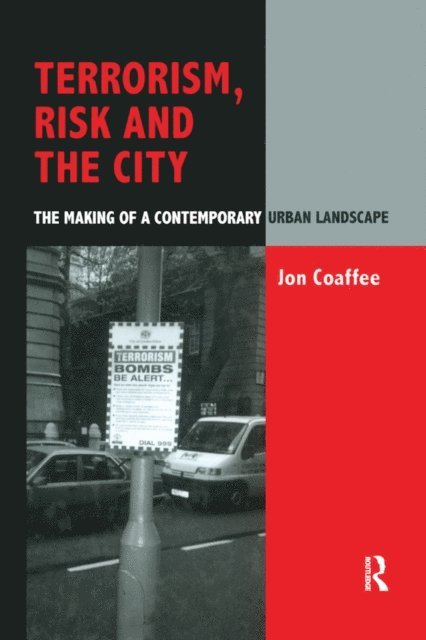
This book explores the processes by which, in the 20 years after 9/11, the practices of urban security and counter-terrorism have impacted the everyday experiences of the Western city. Highlighting the localised urban responses to new security challenges, it reflects critically upon the historical trajectory of techniques of territorialisation and physical protection, urban surveillance and the increasing need for cities to enhance resilience and prepare for anticipated future attacks and unpacks the practices and impacts of the intensification of recent urban security practices in the name of countering terrorism.
Drawing on over 25 years of research and practical experience, the author utilises a range of international case studies, framed by conceptual ideas drawn from critical security, political and geographical theory.
The book will be of interest to students and scholars of politics, war studies, urban studies, geography, sociology, criminology, and the growing market of security and resilience professionals, as well as non-academic audiences seeking to understand responses to terrorist risk.
2 462 kr
Skickas inom 7-10 vardagar
2 515 kr
Skickas inom 10-15 vardagar
2 515 kr
Skickas inom 10-15 vardagar
692 kr
Skickas inom 10-15 vardagar
561 kr
Skickas inom 10-15 vardagar
1 996 kr
Skickas inom 10-15 vardagar
608 kr
Läs direkt efter köp
844 kr
Skickas inom 10-15 vardagar
2 601 kr
Skickas inom 10-15 vardagar
4 192 kr
Skickas inom 10-15 vardagar
997 kr
Läs direkt efter köp
1 004 kr
Läs direkt efter köp
814 kr
Läs direkt efter köp
820 kr
Läs direkt efter köp
949 kr
Läs direkt efter köp
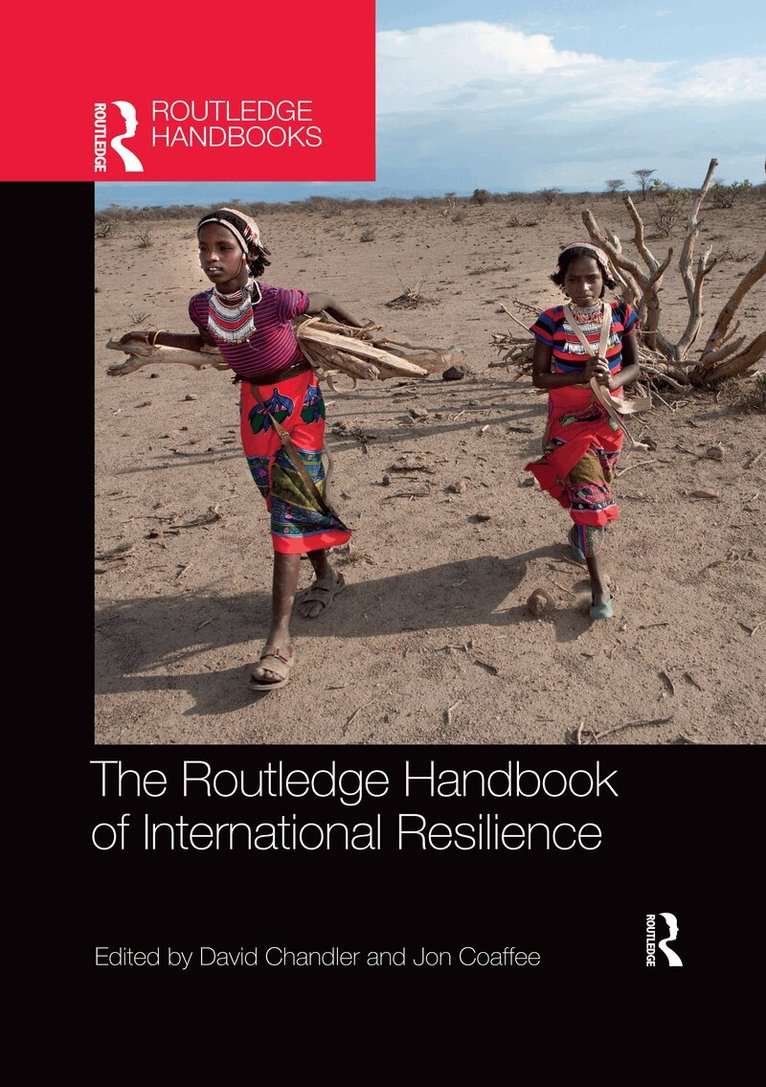
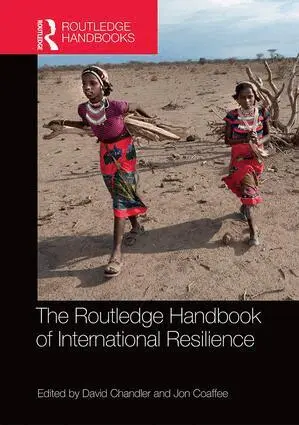
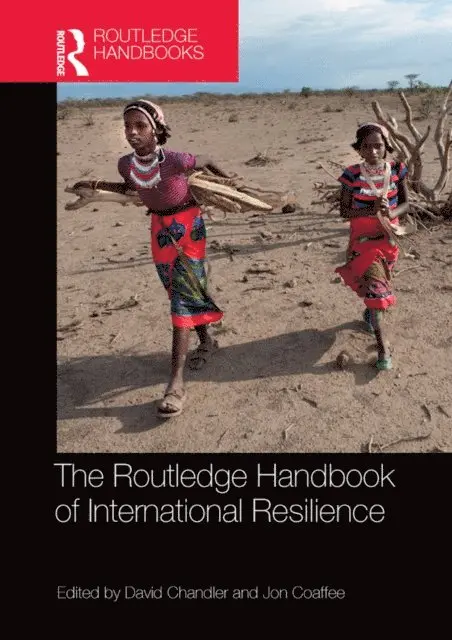
Resilience is increasingly discussed as a key concept across many fields of international policymaking from sustainable development and climate change, insecurity, conflict and terrorism to urban and rural planning, international aid provision and the prevention of and responses to natural and man-made disasters. Edited by leading academic authorities from a number of disciplines, this is the first handbook to deal with resilience as a new conceptual approach to understanding and addressing a range of interdependent global challenges.
The Handbook is divided into nine sections:
Introduction: contested paradigms of resilience; the challenges of resilience; governing uncertainty; resilience and neoliberalism; environmental concerns and climate change adaptation; urban planning; disaster risk reduction and response; international security and insecurity; the policy and practices of international development.Highlighting how resilience-thinking is increasingly transforming international policy-making and government and institutional practices, this book will be an indispensable source of information for students, academics and the wider public interested in resilience, international relations and international security.
939 kr
Läs direkt efter köp
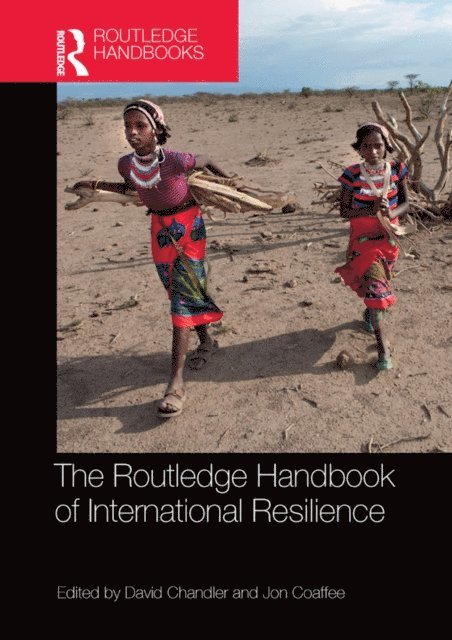
Resilience is increasingly discussed as a key concept across many fields of international policymaking from sustainable development and climate change, insecurity, conflict and terrorism to urban and rural planning, international aid provision and the prevention of and responses to natural and man-made disasters. Edited by leading academic authorities from a number of disciplines, this is the first handbook to deal with resilience as a new conceptual approach to understanding and addressing a range of interdependent global challenges.
The Handbook is divided into nine sections:
Introduction: contested paradigms of resilience; the challenges of resilience; governing uncertainty; resilience and neoliberalism; environmental concerns and climate change adaptation; urban planning; disaster risk reduction and response; international security and insecurity; the policy and practices of international development.Highlighting how resilience-thinking is increasingly transforming international policy-making and government and institutional practices, this book will be an indispensable source of information for students, academics and the wider public interested in resilience, international relations and international security.
1 022 kr
Läs direkt efter köp
1 022 kr
Läs direkt efter köp
440 kr
Skickas inom 7-10 vardagar