683 kr
Skickas inom 3-6 vardagar
683 kr
Skickas inom 3-6 vardagar
407 kr
Läs direkt efter köp
401 kr
Läs direkt efter köp
895 kr
Skickas inom 3-6 vardagar
554 kr
Läs direkt efter köp
567 kr
Läs direkt efter köp
1 255 kr
Läs direkt efter köp
769 kr
Skickas inom 7-10 vardagar
408 kr
Skickas inom 7-10 vardagar
388 kr
Läs direkt efter köp
388 kr
Läs direkt efter köp
716 kr
Läs direkt efter köp
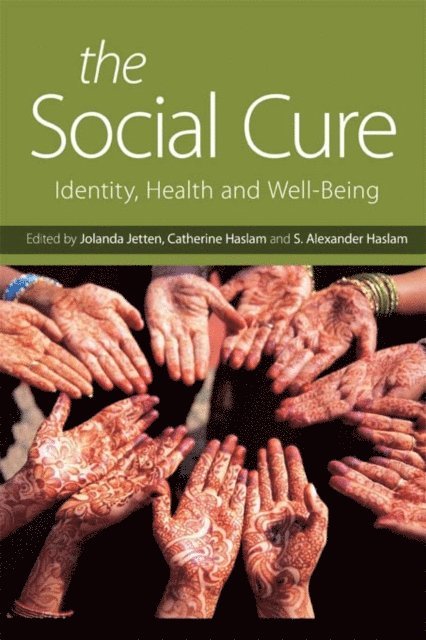
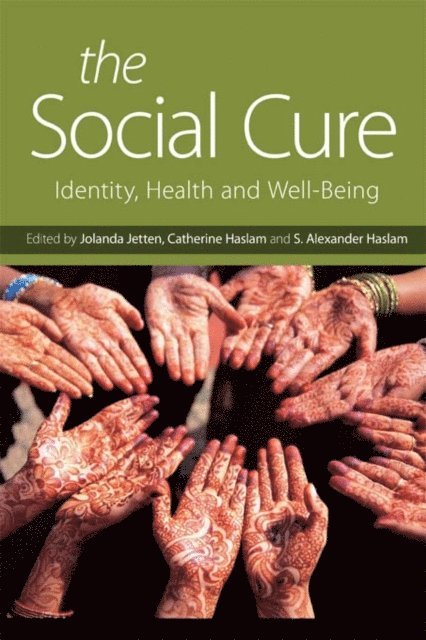
A growing body of research shows that social networks and identities have a profound impact on mental and physical health. With such mounting evidence of the importance of social relationships in protecting health, the challenge we face is explaining why this should be the case. What is it that social groups offer that appears to be just as beneficial as a daily dose of vitamin C or regular exercise?
This edited book brings together the latest research on how group memberships, and the social identities associated with them, determine people’s health and well-being. The volume provides a variety of perspectives from clinical, social, organisational and applied fields that offer theoretical and empirical insights into these processes and their consequences. The contributions present a rich and novel analysis of core theoretical issues relating to the ways in which social identities, and factors associated with them (such as social support and a sense of community), can bolster individuals’ sense of self and contribute to physical and mental health. In this way it is shown how social identities constitute a ‘social cure’, capable of promoting adjustment, coping and well-being for individuals dealing with a range of illnesses, injuries, trauma and stressors. In addition, these theories provide a platform for practical strategies that can maintain and enhance well-being, particularly among vulnerable populations.
Contributors to the book are at the forefront of these developments and the book’s strength derives from its analysis of factors that shape the health and well-being of a broad range of groups. It presents powerful insights which have important implications for health, clinical, social and organisational psychology and a range of cognate fields.
2 602 kr
Skickas inom 10-15 vardagar
646 kr
Skickas inom 10-15 vardagar
582 kr
Skickas inom 10-15 vardagar
640 kr
Läs direkt efter köp
British Psychology Society Textbook of the Year 2020
Why do people who are more socially connected live longer and have better health than those who are socially isolated?
Why are social ties at least as good for your health as not smoking, having a good diet, and taking regular exercise?
Why is treatment more effective when there is an alliance between therapist and client?
Until now, researchers and practitioners have lacked a strong theoretical foundation for answering such questions. This ground-breaking book fills this gap by showing how social identity processes are key to understanding and effectively managing a broad range of health-related problems.
Integrating a wealth of evidence that the authors and colleagues around the world have built up over the last decade, The New Psychology of Health provides a powerful framework for reconceptualising the psychological dimensions of a range of conditions – including stress, trauma, ageing, depression, addiction, eating behaviour, brain injury, and pain.
Alongside reviews of current approaches to these various issues, each chapter provides an in-depth analysis of the ways in which theory and practice can be enriched by attention to social identity processes. Here the authors show not only how an array of social and structural factors shape health outcomes through their impact on group life, but also how this analysis can be harnessed to promote the delivery of ‘social cures’ in a range of fields.
This is a must-have volume for service providers, practitioners, students, and researchers working in a wide range of disciplines and fields, and will also be essential reading for anyone whose goal it is to improve the health and well-being of people and communities in their care.
635 kr
Läs direkt efter köp
British Psychology Society Textbook of the Year 2020
Why do people who are more socially connected live longer and have better health than those who are socially isolated?
Why are social ties at least as good for your health as not smoking, having a good diet, and taking regular exercise?
Why is treatment more effective when there is an alliance between therapist and client?
Until now, researchers and practitioners have lacked a strong theoretical foundation for answering such questions. This ground-breaking book fills this gap by showing how social identity processes are key to understanding and effectively managing a broad range of health-related problems.
Integrating a wealth of evidence that the authors and colleagues around the world have built up over the last decade, The New Psychology of Health provides a powerful framework for reconceptualising the psychological dimensions of a range of conditions – including stress, trauma, ageing, depression, addiction, eating behaviour, brain injury, and pain.
Alongside reviews of current approaches to these various issues, each chapter provides an in-depth analysis of the ways in which theory and practice can be enriched by attention to social identity processes. Here the authors show not only how an array of social and structural factors shape health outcomes through their impact on group life, but also how this analysis can be harnessed to promote the delivery of ‘social cures’ in a range of fields.
This is a must-have volume for service providers, practitioners, students, and researchers working in a wide range of disciplines and fields, and will also be essential reading for anyone whose goal it is to improve the health and well-being of people and communities in their care.
2 888 kr
Skickas inom 11-20 vardagar
1 626 kr
Läs direkt efter köp
1 662 kr
Läs direkt efter köp
808 kr
Läs direkt efter köp
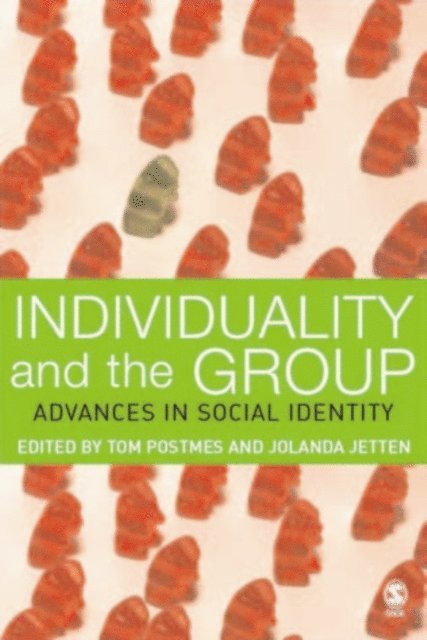
This book brings together an international selection of prominent researchers at the forefront of this development. They reflect on this issue of individuality in the group, and on how thinking about social identity has changed. Together, these chapters chart a key development in the field: how social identity perspectives inform understanding of cohesion, unity and collective action, but also how they help us understand individuality, agency, autonomy, disagreement, and diversity within groups.
This text is valuable to advanced undergraduate and postgraduate students studying social psychology where intergroup relations and group processes are a central component. Given its wider reach, however, it will also be of interest to those in cognate disciplines where social identity perspectives have application potential.
1 744 kr
Skickas inom 10-15 vardagar
419 kr
Skickas inom 10-15 vardagar
2 943 kr
Skickas inom 3-6 vardagar
419 kr
Läs direkt efter köp
894 kr
Skickas inom 3-6 vardagar
2 444 kr
Skickas inom 10-15 vardagar
1 698 kr
Skickas inom 10-15 vardagar
2 210 kr
Läs direkt efter köp
"This edited volume brings together cutting-edge social psychological research addressing one of the most pressing issues of our times – economic inequality. Collectively, the chapters illuminate why inequality has negative effects on individuals and societies, when and for whom these negative effects are most likely to emerge, and the psychological mechanisms that maintain inequality. This comprehensive volume is an essential read for those interested in understanding and ameliorating inequality."
-Brenda Major, Distinguished Professor, Department of Psychological and Brain Sciences, University of California
“This invaluable volume demonstrates the indispensable and powerful contribution that social psychologists can make to our understanding of societal inequality. For those outside of social psychology it provides a unique and comprehensive overview of what social psychology has to offer, and for social psychologists it is exemplary in demonstrating how to make a systematic contribution to the understanding of a hotly debated real-world issue. Scholars and students alikeand from various disciplines will gain much from reading this fascinating and inspiring social psychological journey.”
-Maykel Verkuyten, Professor in Interdisciplinary Social Science, University of Utrecht

“The Social Psychology of Inequality offers a superb and timely social-psychological analysis of the causes and consequence of increasing wealth and income gaps. With its refreshingly international authorship, this volume offers profound insights into the cognitive and social mechanisms that help maintain, but potentially also to overcome, an economy that is rigged in favor of the wealthy. A new and stimulating voice, illustrating science in the service of a fairer and more democratic society.”
-Anne Maass, Professor of Social Psychology, University of Padova

“This volume assembles an impressive list of leading international scholars to address a timely and important issue, the causes and consequences of economic inequality. The approach to the topic is social psychological, but the editors and chapters make valuable connections to related literatures on socio-structural influences in allied disciplines, such as economics, political science, and sociology. The Social Psychology of Inequality offers cutting-edge insights into the psychological dynamics of inequality and novel synthesis of structural- and individual-level influences and outcomes of inequality. It should attract a wide audience and will set the agenda for research on economic inequality well into the future.”
-John F. Dovidio, Carl Iver Hovland Professor of Psychology and Public Health, Yale University