E-bok
Engelska, 2009653 kr
Läs direkt efter köp
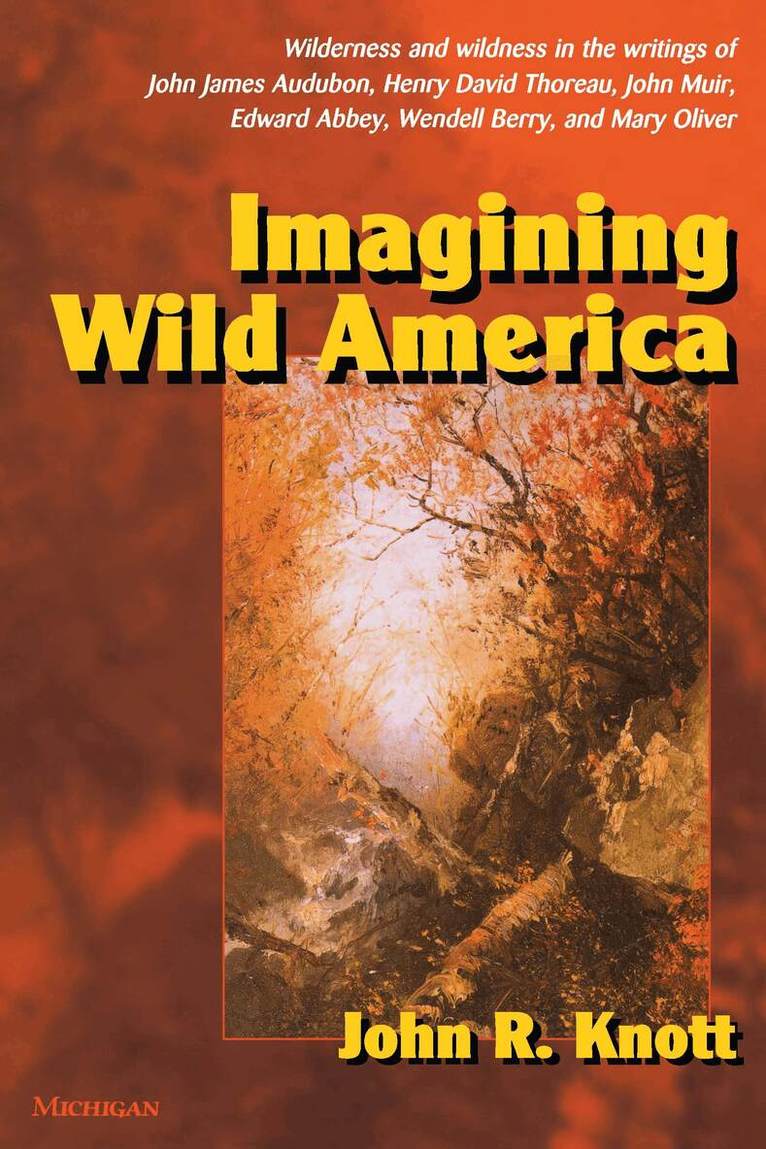
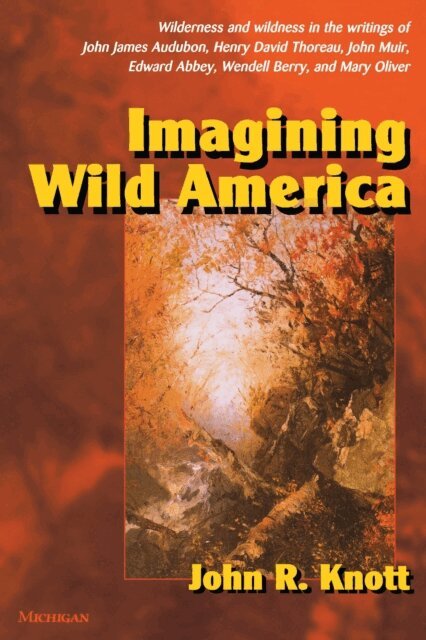
At a time when the idea of wilderness is being challenged by both politicians and intellectuals, Imagining Wild America examines writing about wilderness and wildness and makes a case for its continuing value. The book focuses on works by John James Audubon, Henry David Thoreau, John Muir, Edward Abbey, Wendell Berry, and Mary Oliver, as each writer illustrates different stages and dimensions of the American fascination with wild nature. John Knott traces the emergence of a visionary tradition that embraces values consciously understood to be ahistorical, showing that these writers, while recognizing the claims of history and the interdependence of nature and culture, also understand and attempt to represent wild nature as something different, other. A contribution to the growing literature of eco-criticism, the book is a response to and critique of recent arguments about the constructed nature of wilderness. Imagining Wild America demonstrates the richness and continuing importance of the idea of wilderness, and its attraction for American writers. John R. Knott is Professor of English, University of Michigan. His previous books include The Huron River: Voices from the Watershed, coedited with Keith Taylor.