
Del 70 - Suffolk Records Society
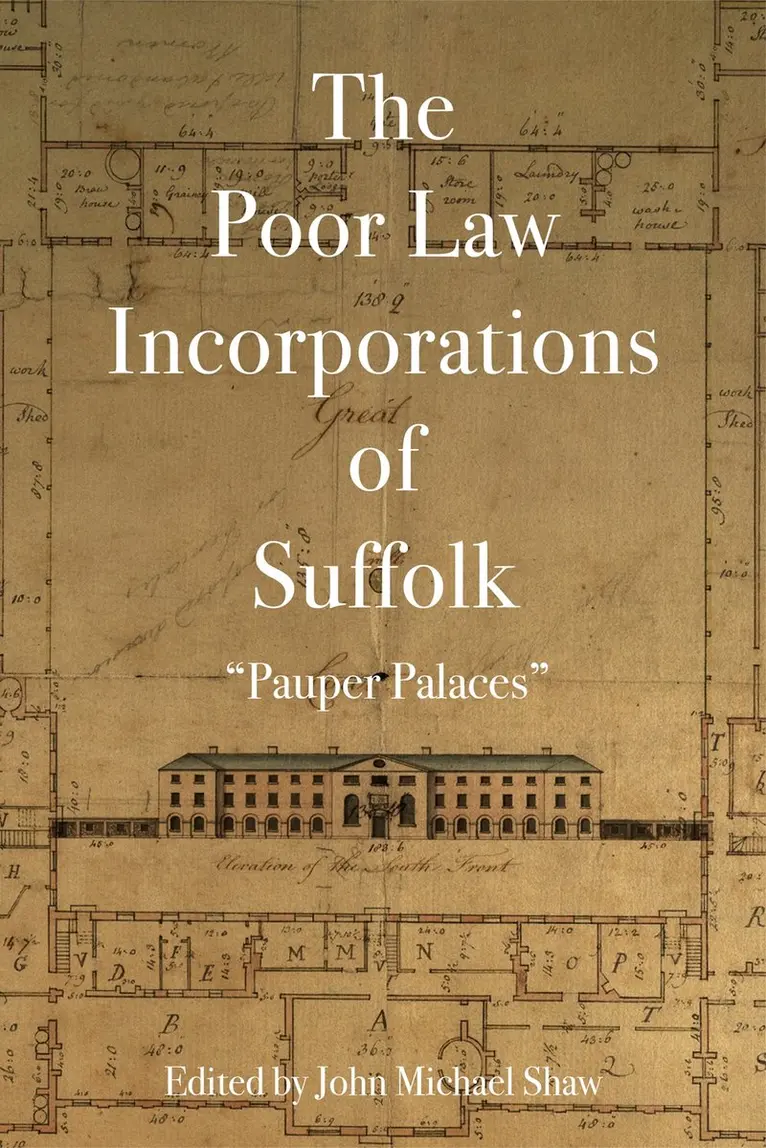
The Poor Law Incorporations of Suffolk
Pauper Palaces
Inbunden, Engelska, 2027
1 014 kr
Kommande
East Suffolk anticipated national Poor Law reforms by almost eighty years, as its incorporations transformed poor relief through Houses of Industry, offering fresh insights into poverty, authority, welfare and institutional life in eighteenth-century rural England.From 1754 onwards, East Suffolk transformed its approach to poor relief through the creation of ten "Incorporations of the Poor". At the centre of each incorporation stood a House of Industry: an institution designed to combine employment, education, discipline, and care under one roof.The Houses of Industry served numerous parishes and offered several connected functions. The able-bodied poor were put to work, while children were educated and trained in habits of industry. Those considered idle were subject to punishment, and the sick and elderly received humane care.By tracing the history of five incorporations, this volume examines a decisive moment in English social history and the challenges constructing these institutions posed for the local landed elite. It follows the practical decisions behind their creation: the design and construction of the buildings, their fitting out with fixtures, bedding, clothing, food, and fuel, and the appointment of salaried staff before the poor were admitted.Once the poor had been received, daily routines were established, and the manufactory began operating. Considering this distinctive structure, the volume shows that, for East Suffolk, the national Poor Law reforms of 1834 largely repeated arrangements that the incorporations had introduced eighty years earlier.