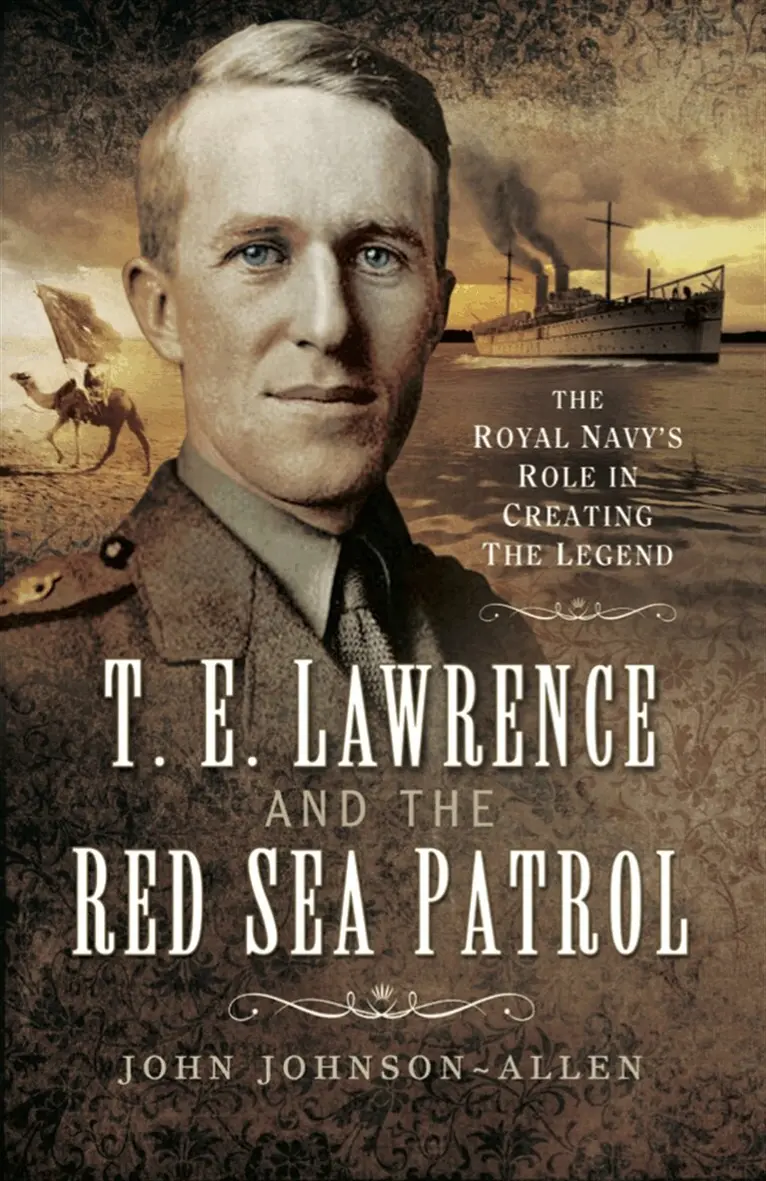
Although many books have been written about T E Lawrence and the Arab Revolt, none before has fully explored the pivotal role of the Royal Navy in the Red Sea at the time. This is the first book to be written about the Navy's role in the success of the Arab Revolt in the creation of the legendary figure of Lawrence of Arabia. Following extensive and detailed research into the activities of the ships of the Red Sea Patrol by the author, a maritime historian and former Merchant Navy officer, it has become evident that, without the work of those ships, the Arab revolt would have failed and T E Lawrence would have remained an obscure officer in the military bureaucracy of Cairo. Lawrence was very aware of the importance and relevance of the Royal Navy in their operations in the Red Sea and commented on it on many occasions, notably in 1918, saying 'The naval side of the operations, when the time comes to tell of it, will provide a most interesting case of the value of command of the sea..'. Until now, nobody has investigated this angle in any detail. By doing this so comprehensively, this book gives a fresh dimension to the Lawrence of Arabia legend.
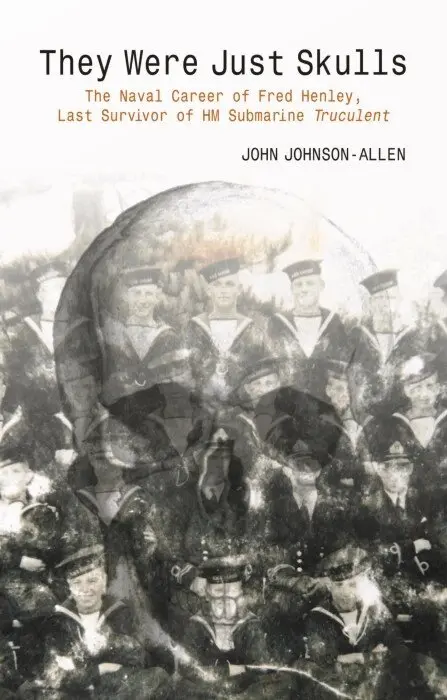
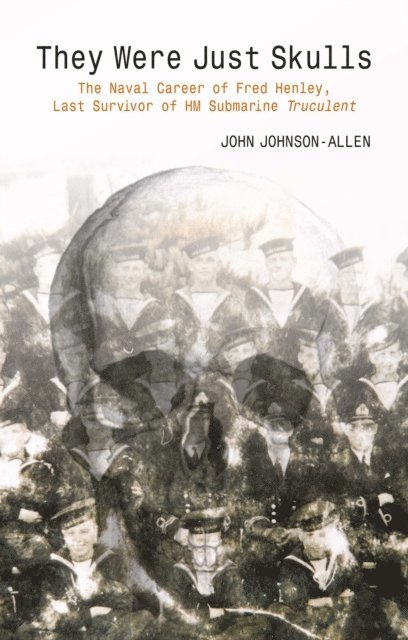
Foreword by Admiral Lord West of Spithead Few people, even in the Navy, are even aware of this dreadful incident [the loss of submarine HMS Truculent in the Thames] and certainly not the details of human error that led to this huge loss of life. The account is gripping, and explains the strange title of the book. ... John Johnson-Allen has put Fred Henley’s personal accounts in the context of world-changing events, and in particular provides a wonderful snapshot of the Royal Navy of that era.------------------------------------------This compelling story is the result of many hours spent recording the memories of Fred Henley. His life at sea is at the centre of his being and his own words are at the heart of the book. At the age of 14 Fred worked on a Thames sailing barge, then after his training at HMS Ganges, he joined his first ship which took him from the icy Arctic Ocean to the heat of West Africa where the Bismarck and her support ships were hunted.His experiences included visiting Archangel, sailing on Arctic convoys, capturing German supply ships, the failed attack on Oran, landings in Piraeus, Salonika and the French Riviera and operating with special forces in the Greek Islands. There is inevitably some humour when Fred recounts his encounters with girls.The book then explores the tragic loss of his last submarine, HMS Truculent. In the cold January waters of the Thames Estuary, within sight of Southend, over 60 men were lost in a major disaster, just five years after the end of the war. The voices of the survivors are heard telling how they stood in complete blackness in a sunken submarine, waiting for the water to come in so that they could escape to the surface, only for all but a few to drift away and die in the darkness.The story concludes with happier times with Fred visiting ports in the Mediterranean during peacetime as a married man.
This compelling story is the result of many hours spent recording the memories of Fred Henley. His life at sea is at the centre of his being and his own words are at the heart of the book. At the age of 14 Fred worked on a Thames sailing barge, then after his training at HMS Ganges, he joined his first ship which took him from the icy Arctic Ocean to the heat of West Africa where the Bismarck and her support ships were hunted.His experiences included visiting Archangel, sailing on Arctic convoys, capturing German supply ships, the failed attack on Oran, landings in Piraeus, Salonika and the French Riviera and operating with special forces in the Greek Islands. There is inevitably some humour when Fred recounts his encounters with girls.The book then explores the tragic loss of his last submarine, HMS Truculent. In the cold January waters of the Thames Estuary, within sight of Southend, over 60 men were lost in a major disaster, just five years after the end of the war. The voices of the survivors are heard telling how they stood in complete blackness in a sunken submarine, waiting for the water to come in so that they could escape to the surface, only for all but a few to drift away and die in the darkness.The story concludes with happier times with Fred visiting ports in the Mediterranean during peacetime as a married man.
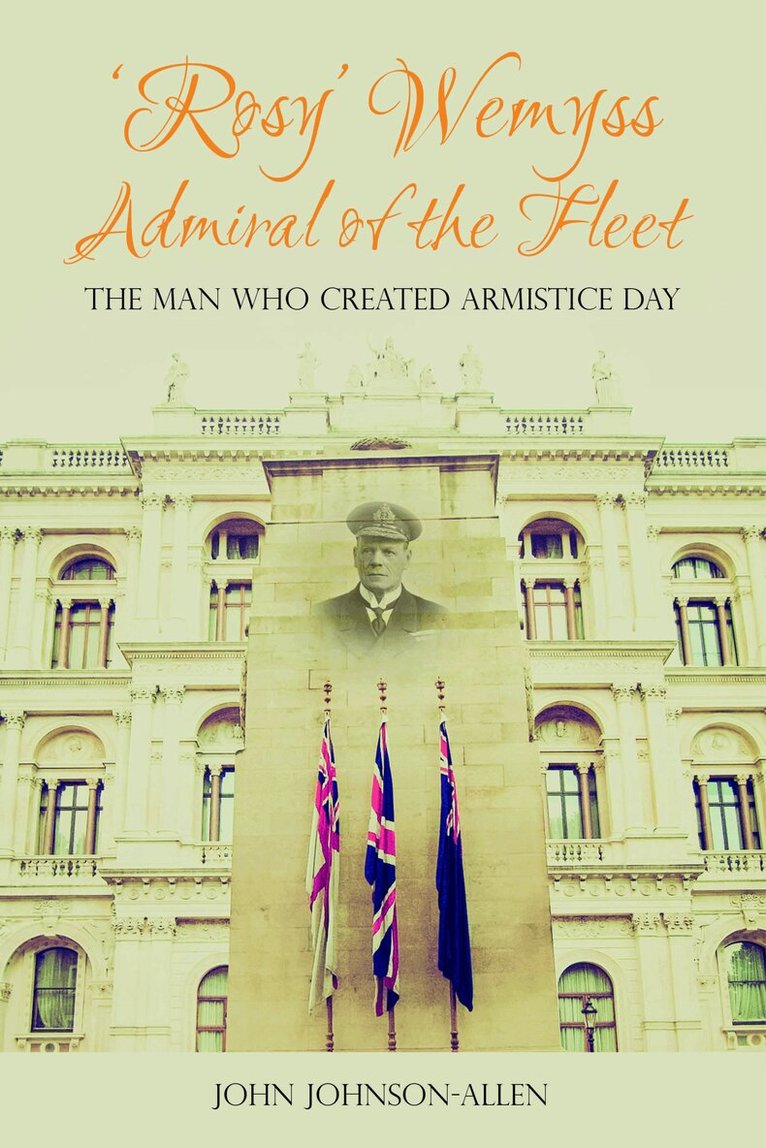
A compelling biography of the Scottish admiral who helped determine the moment the First World War ended, masterminded the evacuation of Gallipoli and played a crucial role in the Arab Revolt.Admiral Sir Rosslyn Wemyss was one of the Royal Navy’s most distinguished leaders, yet his extraordinary achievements remain little known. As the Allied Naval Representative at the Armistice negotiations on 11 November 1918, he worked alongside Marshal Foch to establish the historic moment when the guns would fall silent at 11am, helping to shape the enduring tradition of Armistice Day.Born into the distinguished Scottish Clan Wemyss, whose ancestral home is Wemyss Castle in Fife, Rosslyn entered the Royal Navy at just 13 years old. His lifelong friendship with the future King George V brought him into the heart of royal circles, but it was his exceptional leadership during the First World War that secured his place in naval history.The man behind Armistice Day: Reveals Wemyss’ pivotal role in the negotiations that brought the First World War to an end on 11 November 1918.The remarkable evacuation of Gallipoli: Explores his command of one of the war’s most successful military evacuations, rescuing approximately 140,000 troops with the loss of just one man.The admiral who supported Lawrence of Arabia: Uncovers his vital contribution to the Arab Revolt, supporting T.E. Lawrence and Emir Feisal in their campaign against the Ottoman Empire.From Scottish naval cadet to First Sea Lord: Traces his extraordinary rise through the Royal Navy, culminating in his appointment as its professional head and his involvement in the Versailles Peace Conference.A unique insight into naval and royal history: Draws on Wemyss’ extensive archive of personal letters and official reports, revealing his lifelong friendship with George V and his relationships with leading figures of the era.The rediscovery of a forgotten Scottish hero: Brings to life one of Scotland’s most accomplished admirals, affectionately known throughout the Navy as ‘Rosy’.Drawing extensively on Wemyss’ own words, letters and reports, this compelling biography offers a revealing portrait of a remarkable naval commander whose influence extended far beyond the Royal Navy. It restores Rosslyn Wemyss to his rightful place in the history of the First World War and the events that shaped the modern world.
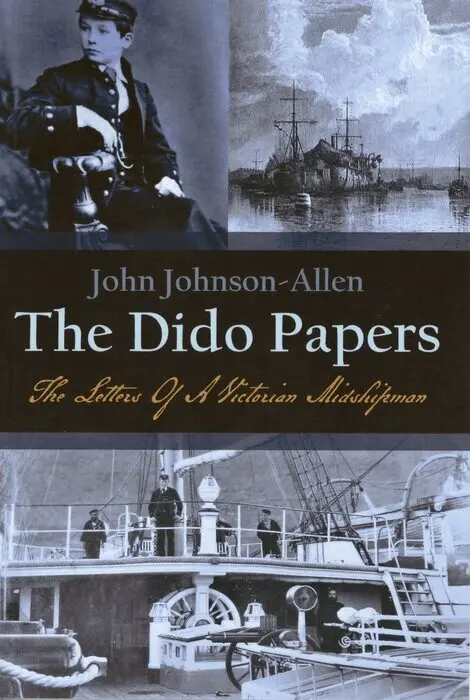
The Dido Papers by John Johnson-Allen offers a rare and compelling insight into Victorian Royal Navy history, bringing to life the extraordinary letters of midshipman Bryan Godfrey Faussett. After training at Britannia Naval College in Dartmouth, 15-year-old Faussett joined HMS Dido in 1879 and began documenting daily life at sea during the height of the British Empire. His carefully preserved letters provide an authentic record of 19th-century naval life, maritime exploration, and the experiences of a Royal Navy cadet.This remarkable historical memoir covers HMS Dido’s voyages across West Africa and East Africa, including the death of a ship’s captain, diplomatic meetings with African kings and chieftains aboard ship and events linked to the First Boer War. These accounts offer invaluable insight into Victorian naval diplomacy, colonial-era conflicts, and life aboard a working warship.Written with humour and vivid detail, Faussett’s observations capture shipboard life, naval discipline, and the rich variety of wildlife encountered at sea. The Dido Papers is an essential read for anyone interested in Royal Navy history, Victorian maritime exploration, and British imperial naval heritage.
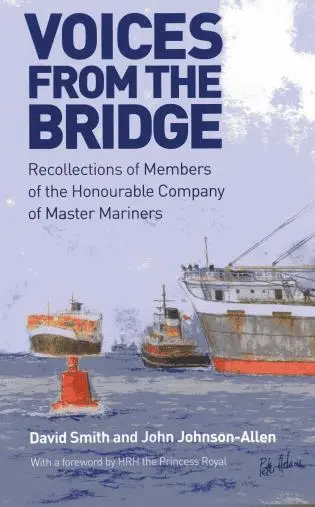
Based on interviews and written accounts from over 50 contributors, this title vividly depicts the experiences of the deck officer, from pre-sea training and cadetship through the ranks to the eventual achievement of a Master's authority and responsibilities.
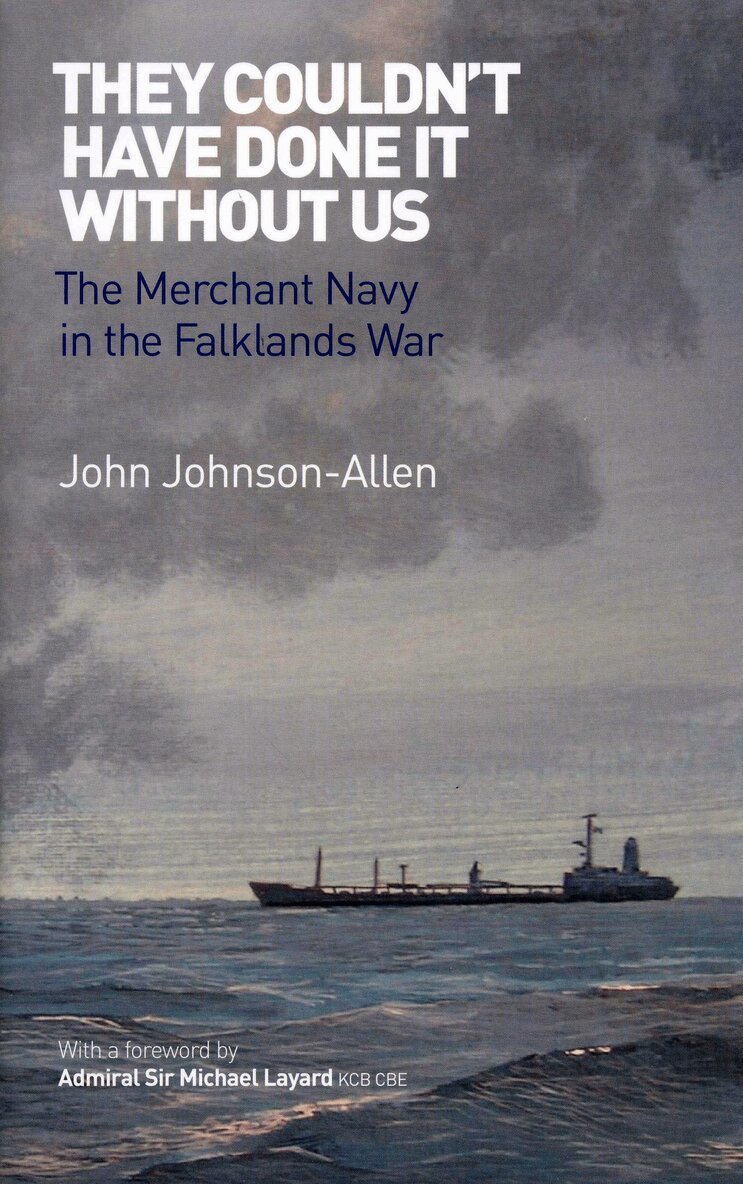
Over seventy merchant ships sailed in the Task force sent by Britain to recapture the Falkland islands in 1982. Some were Royal Fleet Auxiliary vessels, but the majority were STUFT-ships taken up from trade-and the officers and crew of these merchant vessels, all volunteers, suddenly found themselves thrust into a war zone in the South Atlantic. Remarkably little has been written about the part played by the Merchant navy, summarised by the official history of the campaign as 'an impenetrable mystery, girt about by seasickness' This book lifts the curtain on that mystery, to reveal something of the experiences of the merchant seamen and women who made possible the retaking of the Falkland islands. John Johnson-Allen, maritime historian and former merchant naval officer, combines personal accounts, documents and comment to bring to life the events of the Falklands War, as seen from the merchant ships that played such a vital role in that conflict.