656 kr
Skickas inom 10-15 vardagar
656 kr
Skickas inom 10-15 vardagar
2 601 kr
Skickas inom 10-15 vardagar
729 kr
Läs direkt efter köp
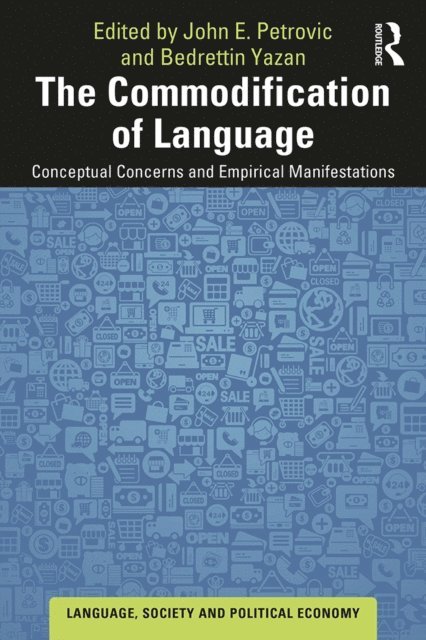
This volume seeks to add to our understanding of how language is constructed in late capitalist societies. Exploring the conceptual and theoretical underpinnings of the so-called "commodification of language" and its relationship to the notion of linguistic capital, the authors examine recent research that offers implications for language policy and planning.
Bringing together an international group of scholars, this collection includes chapters that address whether or not language can rightly be referred to as a commodity and, if so, under what circumstances. The different theoretical foundations of understanding language as a resource with exchange value – whether as commodity or capital – have practical implications for policy writ large. The implications of the "commodification of language" in more empirical terms are explored, both in terms of how it affects language as well as language policy at more micro levels. This includes more specific policy arenas such as language in education policy or family language policies as well as the implications for individual identity construction and linguistic communities.
With a conclusion written by leading scholar David Block, this is key reading for researchers and advanced students of critical sociolinguistics, language and economy, language and politics, language policy and linguistic anthropology within linguistics, applied linguistics, and language teacher education.
740 kr
Läs direkt efter köp
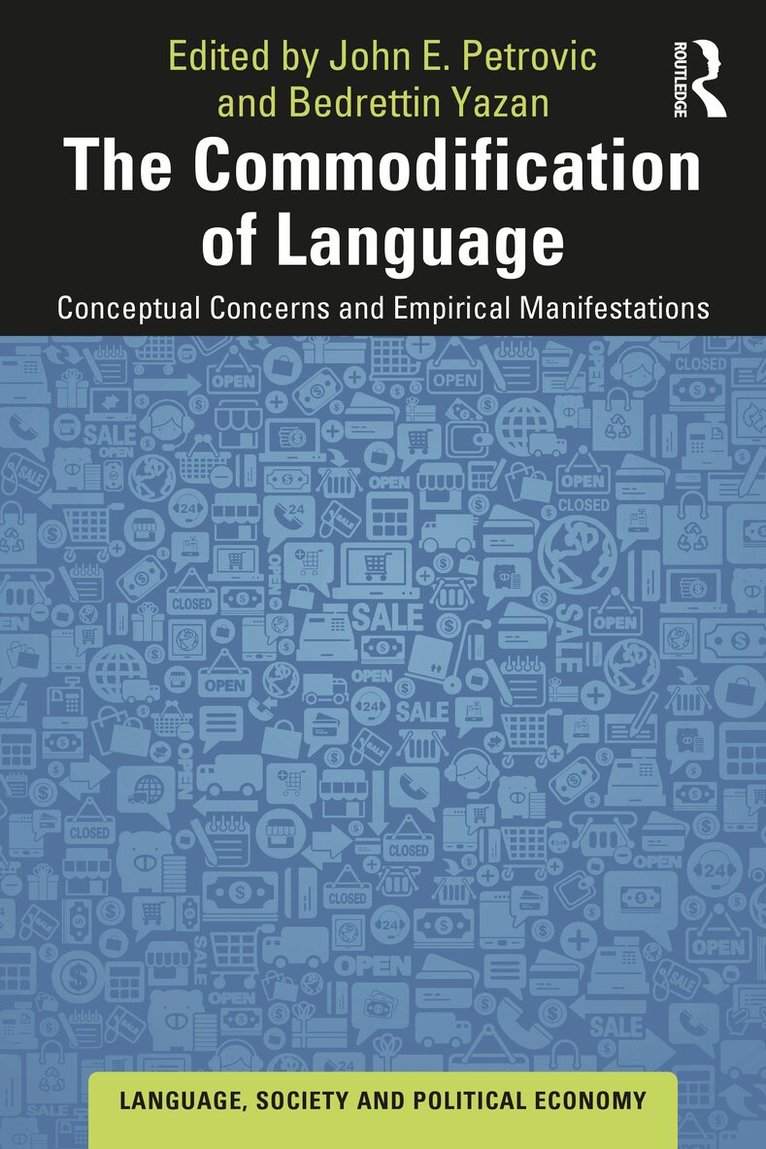
This volume seeks to add to our understanding of how language is constructed in late capitalist societies. Exploring the conceptual and theoretical underpinnings of the so-called "commodification of language" and its relationship to the notion of linguistic capital, the authors examine recent research that offers implications for language policy and planning.
Bringing together an international group of scholars, this collection includes chapters that address whether or not language can rightly be referred to as a commodity and, if so, under what circumstances. The different theoretical foundations of understanding language as a resource with exchange value – whether as commodity or capital – have practical implications for policy writ large. The implications of the "commodification of language" in more empirical terms are explored, both in terms of how it affects language as well as language policy at more micro levels. This includes more specific policy arenas such as language in education policy or family language policies as well as the implications for individual identity construction and linguistic communities.
With a conclusion written by leading scholar David Block, this is key reading for researchers and advanced students of critical sociolinguistics, language and economy, language and politics, language policy and linguistic anthropology within linguistics, applied linguistics, and language teacher education.
439 kr
Skickas inom 7-10 vardagar
1 210 kr
Skickas inom 7-10 vardagar
552 kr
Skickas inom 7-10 vardagar
1 028 kr
Skickas inom 7-10 vardagar
388 kr
Läs direkt efter köp
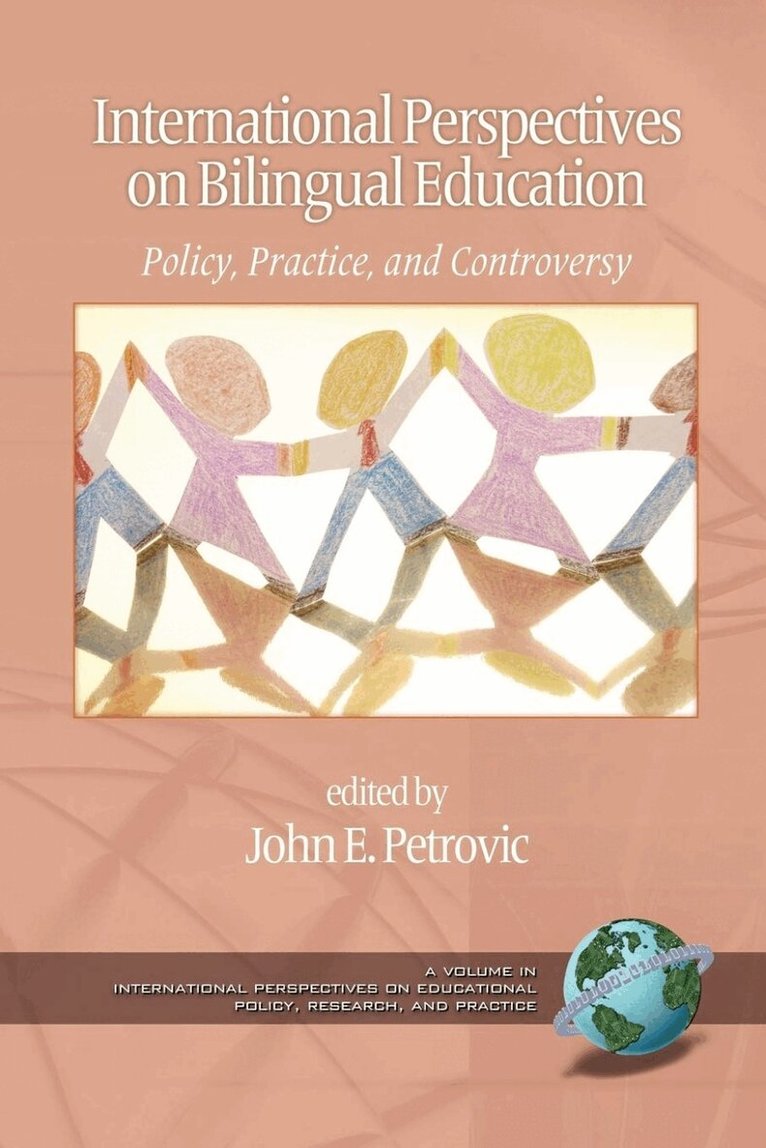
This book is a defense of linguistic pluralism and language policies and practices in education that sustain that ideal. Educational meanings and models are influenced by different populations and different social and historical contexts. International comparisons can shed interesting light on the issues. Therefore, the purpose of the book is to provide scholars an international comparative understanding of language policy, its relation to educational practice, and current debates within the field. The book is divided into three sections dealing with the general topical areas of policy, practice, and controversy.
This book will be of interest to policy-makers, scholars, and graduate students in the areas of bilingual education, language policy, and sociolinguistics.
577 kr
Läs direkt efter köp
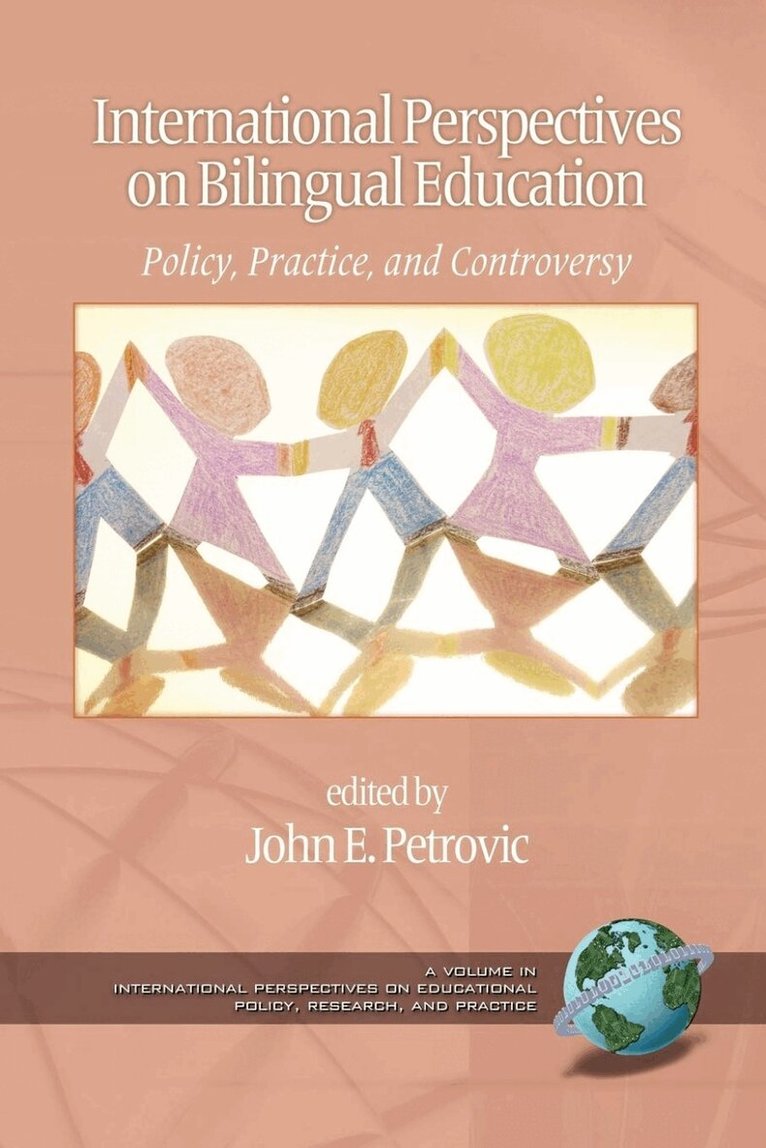
This book is a defense of linguistic pluralism and language policies and practices in education that sustain that ideal. Educational meanings and models are influenced by different populations and different social and historical contexts. International comparisons can shed interesting light on the issues. Therefore, the purpose of the book is to provide scholars an international comparative understanding of language policy, its relation to educational practice, and current debates within the field. The book is divided into three sections dealing with the general topical areas of policy, practice, and controversy.
This book will be of interest to policy-makers, scholars, and graduate students in the areas of bilingual education, language policy, and sociolinguistics.
1 347 kr
Kommande
513 kr
Kommande
1 229 kr
Tillfälligt slut