176 kr
Skickas
176 kr
Skickas
190 kr
Skickas
105 kr
Läs direkt efter köp
2 455 kr
Skickas inom 10-15 vardagar
635 kr
Skickas inom 7-10 vardagar
125 kr
Läs direkt efter köp
888 kr
Skickas inom 7-10 vardagar
780 kr
Läs direkt efter köp
780 kr
Läs direkt efter köp
694 kr
Skickas inom 10-15 vardagar
801 kr
Läs direkt efter köp
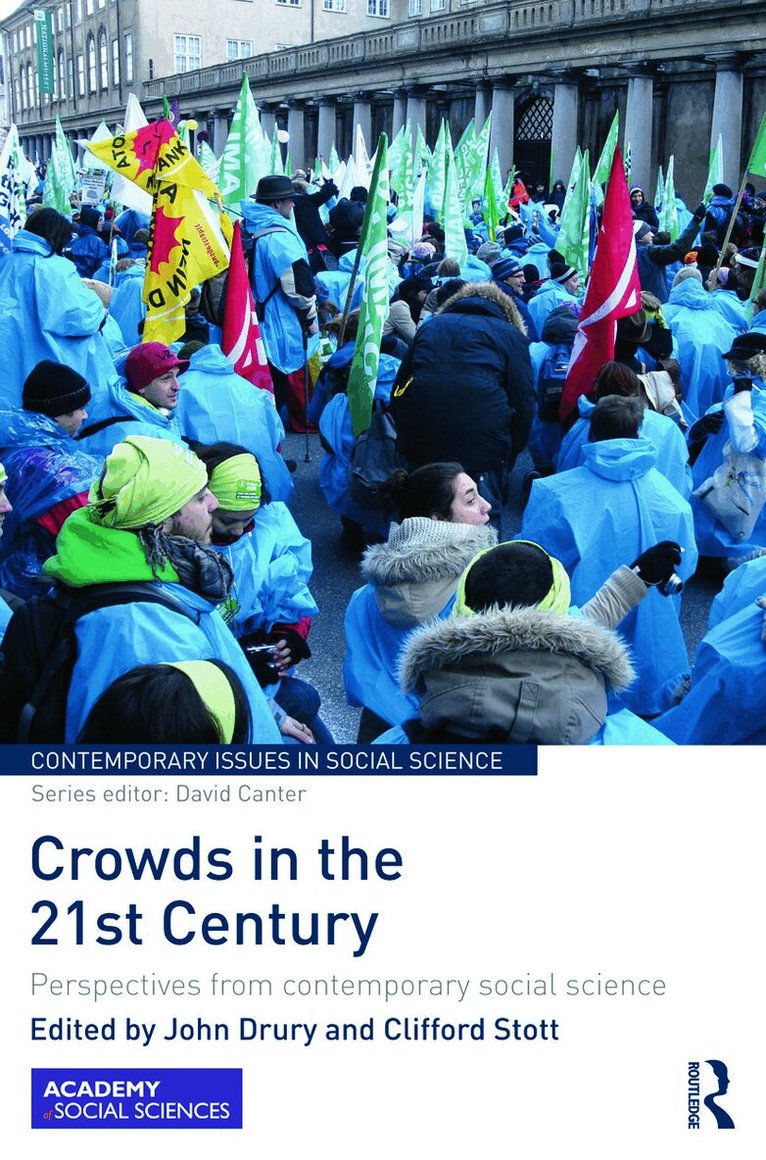
Crowds in the 21st Century presents the latest theory and research on crowd events and crowd behaviour from across a range of social sciences, including psychology, sociology, law, and communication studies. Whether describing the language of the crowd in protest events, measuring the ability of the crowd to empower its participants, or analysing the role of professional organizations involved in crowd safety and public order, the contributions in this volume are united in their commitment to a social scientific level of analysis.
The crowd is often depicted as a source of irrationality and danger – in the form of riots and mass emergencies. By placing crowd events back in their social context – their ongoing historical and proximal relationships with other groups and social structures – this volume restores meaning to the analysis of crowd behaviour. Together, the studies described in this collection demonstrate the potential of crowd research to enhance the positive experience of crowd participants and to improve design, planning, and management around crowd events.
This book was originally published as a special issue of Contemporary Social Science.
819 kr
Läs direkt efter köp
Crowds in the 21st Century presents the latest theory and research on crowd events and crowd behaviour from across a range of social sciences, including psychology, sociology, law, and communication studies. Whether describing the language of the crowd in protest events, measuring the ability of the crowd to empower its participants, or analysing the role of professional organizations involved in crowd safety and public order, the contributions in this volume are united in their commitment to a social scientific level of analysis.
The crowd is often depicted as a source of irrationality and danger – in the form of riots and mass emergencies. By placing crowd events back in their social context – their ongoing historical and proximal relationships with other groups and social structures – this volume restores meaning to the analysis of crowd behaviour. Together, the studies described in this collection demonstrate the potential of crowd research to enhance the positive experience of crowd participants and to improve design, planning, and management around crowd events.
This book was originally published as a special issue of Contemporary Social Science.
481 kr
Skickas inom 3-6 vardagar
184 kr
Läs direkt efter köp
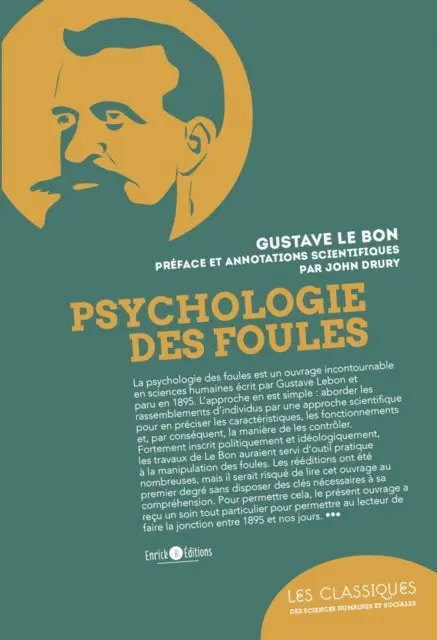
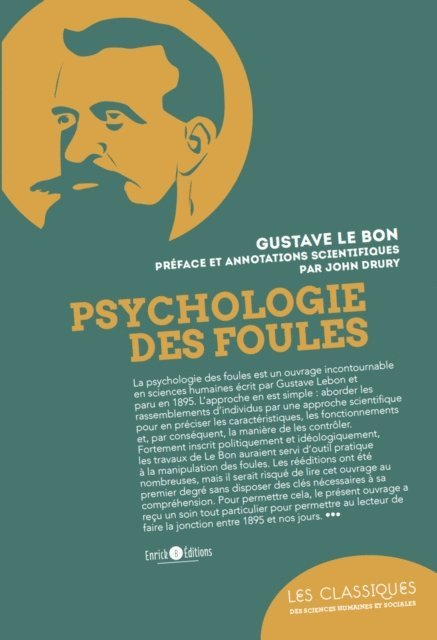
La psychologie des foules est un ouvrage incontournable en sciences humaines écrit par Gustave Le Bon et paru en 1895. L’approche en est simple : aborder les rassemblements d’individus par une approche scientifique pour en préciser les caractéristiques, les fonctionnements et, par conséquent, la manière de les contrôler. Fortement inscrit politiquement et idéologiquement, les travaux de Lebon auraient servi d’outil pratique à la manipulation des foules. Les rééditions ont été nombreuses, mais il serait risqué de lire cet ouvrage au premier degré sans disposer des clés nécessaires à sa compréhension. Pour permettre cela, le présent ouvrage a reçu un soin tout particulier pour permettre au lecteur de faire la jonction entre 1895 et nos jours. La collection « Les Classiques des Sciences Humaines » propose une revisite des textes originaux afin de rendre accessibles leurs contenus tout en offrant un angle de lecture éclairé par les connaissances et théories actuelles. Comme chaque ouvrage de la collection, ce livre est ainsi annoté de commentaires scientifiques permettant de comprendre comment les connaissances ont été façonnées et ont évoluées. Un chapitre complémentaire permet lui aussi de saisir la complexité de l’ouvrage et ses ramifications actuelles. Il nous démontre ainsi comment ces écrits anciens ont façonnés les écrits modernes.
185 kr
Läs direkt efter köp
La psychologie des foules est un ouvrage incontournable en sciences humaines écrit par Gustave Le Bon et paru en 1895. L’approche en est simple : aborder les rassemblements d’individus par une approche scientifique pour en préciser les caractéristiques, les fonctionnements et, par conséquent, la manière de les contrôler. Fortement inscrit politiquement et idéologiquement, les travaux de Lebon auraient servi d’outil pratique à la manipulation des foules. Les rééditions ont été nombreuses, mais il serait risqué de lire cet ouvrage au premier degré sans disposer des clés nécessaires à sa compréhension. Pour permettre cela, le présent ouvrage a reçu un soin tout particulier pour permettre au lecteur de faire la jonction entre 1895 et nos jours. La collection « Les Classiques des Sciences Humaines » propose une revisite des textes originaux afin de rendre accessibles leurs contenus tout en offrant un angle de lecture éclairé par les connaissances et théories actuelles. Comme chaque ouvrage de la collection, ce livre est ainsi annoté de commentaires scientifiques permettant de comprendre comment les connaissances ont été façonnées et ont évoluées. Un chapitre complémentaire permet lui aussi de saisir la complexité de l’ouvrage et ses ramifications actuelles. Il nous démontre ainsi comment ces écrits anciens ont façonnés les écrits modernes.
263 kr
Tillfälligt slut
877 kr
Tillfälligt slut
The story Raven and the Box of Daylight, which tells how Raven transformed the world and brought light to the people by releasing the stars, moon, and sun, holds great significance to the Tlingit people of the Pacific Northwest Coast. A new body of work by artist Preston Singletary (American, born 1963) will immerse readers in Tlingit traditions by telling this story through his monumental glass works and installations.Primarily known for his celebration of Tlingit art and design, Singletary will explore new ways of working with glass inspired by Tlingit design principles. Tlingit objects were traditionally used to show wealth and tell stories by representing elements of the natural world, as well as the histories of individual families. By drawing upon this tradition, Singletary's art creates a unique theatrical atmosphere, in which the pieces follow and enhance a narrative. This book includes texts that place Singletary's work within the wider histories of both glass art and native arts traditions—especially the art of spoken-word storytelling. Also included are a biography and an interview with the artist.