Inbunden, Engelska, 2009
491 kr
Skickas inom 7-10 vardagar
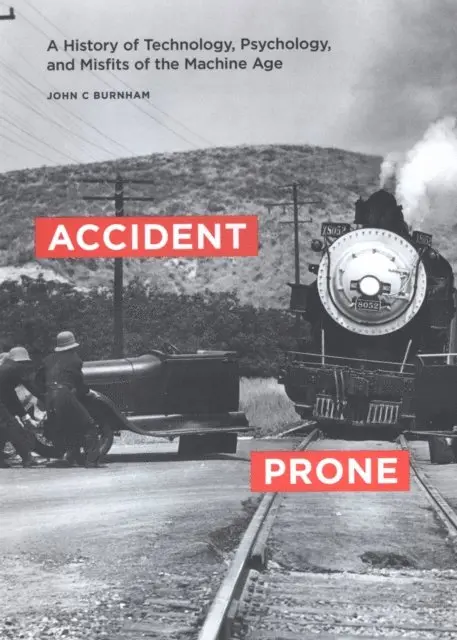
Technology demands uniformity from human beings who encounter it. People encountering technology, however, differ from one another. Thinkers in the early twentieth century, observing the awful consequences of interactions between humans and machines - death by automobiles or dismemberment by factory machinery, for example - developed the idea of accident proneness: the tendency of a particular person to have more accidents than most people. In tracing this concept from its birth to its disappearance at the end of the twentieth century, "Accident Prone" offers a unique history of technology focused not on innovations but on their unintended consequences. Here, John C. Burnham shows that as the machine era progressed, the physical and economic impact of accidents coevolved with the rise of the insurance industry and trends in twentieth-century psychology. After World War I, psychologists determined that some people are more accident prone than others. This designation signaled a shift in social strategy toward minimizing accidents by diverting particular people away from dangerous environments.By the 1960s and '70s, however, the idea of accident proneness gradually declined, and engineers developed new technologies to protect all people, thereby introducing a hidden, but radical, egalitarianism. "Accident Prone" is an ambitious intellectual analysis of the birth, growth, and decline of an idea that will interest anyone who wishes to understand how Western societies have grappled with the human costs of modern life.