The level of vitriol in American politics has been rising with no end in sight. Terms like "evildoer," "war on terror," and "axis of evil" have become commonplace in our discussion of international politics. What ever happened to civil debate? Where has all this moralizing come from? And what harm has this new level of attack caused to democracy in America?In this compelling and cogent account, Tom De Luca and John Buell chart the rise of what they rightly label as the "demonization"of American politics, showing how political campaigns often neglect debates over policy in favor of fights over the private character and personal lives of politicians. Political interests are still served by this style of politics, but democracy, the authors contend, is the loser. Covering everything from the Clinton impeachment to the war on terrorism to the 2004 presidential campaign, the authors show the distinctly American qualities of demonization and how their frequency and intensity has grown in the last four decades.Suggesting that demonization is not inevitable or irreversible, this important book offers ways out of the political mudpit and back to a more civilized debate where democracy and freedom of speech can coexist in a productive, idea-rich environment.
The level of vitriol in American politics has been rising with no end in sight. Terms like "evildoer," "war on terror," and "axis of evil" have become commonplace in our discussion of international politics. What ever happened to civil debate? Where has all this moralizing come from? And what harm has this new level of attack caused to democracy in America?In this compelling and cogent account, Tom De Luca and John Buell chart the rise of what they rightly label as the "demonization"of American politics, showing how political campaigns often neglect debates over policy in favor of fights over the private character and personal lives of politicians. Political interests are still served by this style of politics, but democracy, the authors contend, is the loser. Covering everything from the Clinton impeachment to the war on terrorism to the 2004 presidential campaign, the authors show the distinctly American qualities of demonization and how their frequency and intensity has grown in the last four decades.Suggesting that demonization is not inevitable or irreversible, this important book offers ways out of the political mudpit and back to a more civilized debate where democracy and freedom of speech can coexist in a productive, idea-rich environment.
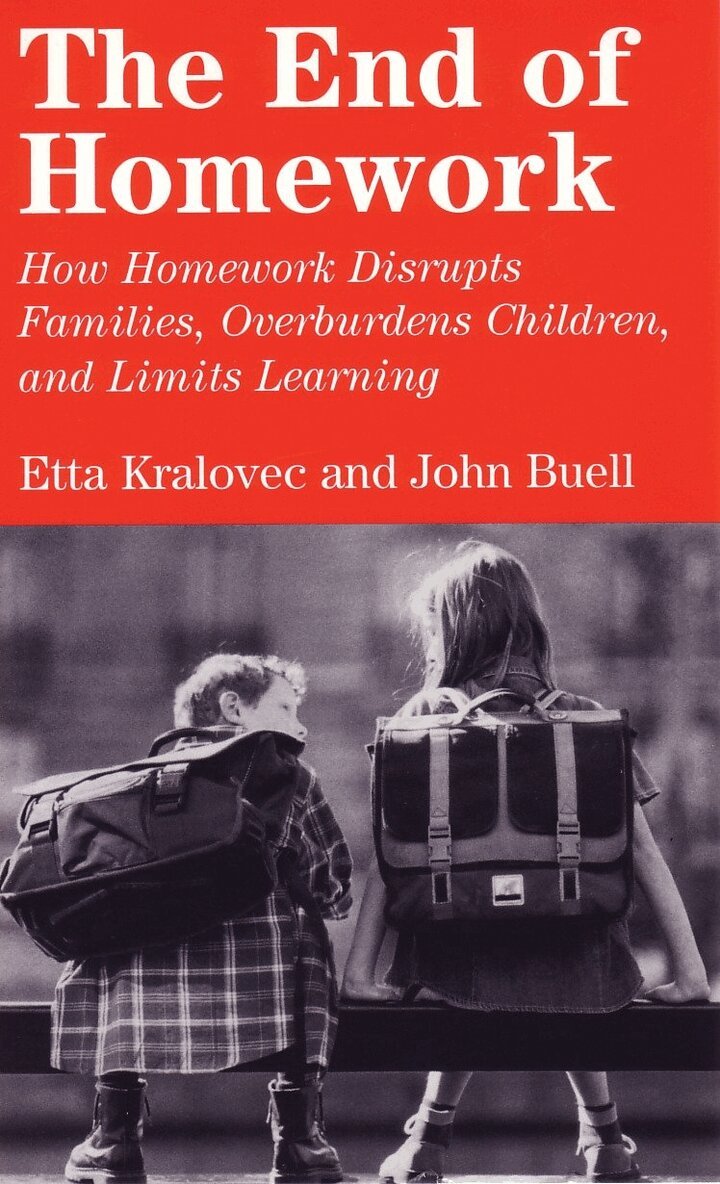
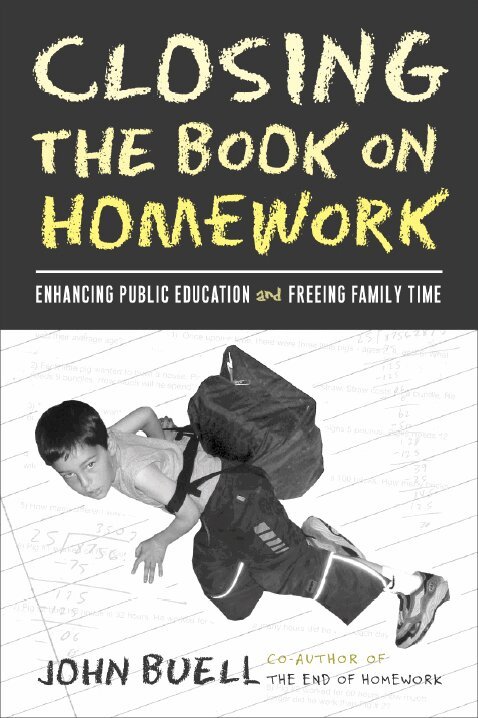
In this, the sequel to his critically acclaimed and controversial "The End of Homework", John Buell extends his case against homework. Arguing that homework robs children and parents of unstructured time for play and intellectual and emotional development, "Closing the Book on Homework" offers a convincing case for why homework is an outgrowth of broader cultural anxieties about the sanctity of work itself. After the publication of Buell's previous book, many professional educators portrayed reducing homework as a dangerous idea, while at the same time parents and teachers increasingly raised doubts as to its continued usefulness in education.According to John Buell, the importance of play is culturally underappreciated. Not only grade schoolers, but high school students and adult workers deserve time for the kind of leisure that fosters creativity and sustains a life long interest in learning. Homework is assigned for many reasons, many having little to do with learning, including an accepted, if unchallenged, belief that it fosters good work habits for children's futures.As John Buell argues convincingly, homework does more to obstruct the growth of children's minds, and consumes the time of parents and children who may otherwise develop relationships that foster true growth and learning.A unique book that is sure to fuel the growing debate on school reform, "Closing the Book on Homework" offers a roadmap for learning that will benefit the wellbeing of children, parents, and teachers alike.John Buell on homework: 'Homework does not convey the academic benefits its proponents promise. As currently constituted, [it] is a largely ineffective and overly burdensome practice. It not only creates especially serious barriers for poor families but also unnecessarily limits other forms of personal development and leisure time that are essential even to education and working life themselves. Families asked to monitor and assist in homework are increasingly burdened by the demands of their own jobs.Homework is closely connected to and rationalized by all the demands on family time, and the time has come to examine those demands I resent homework intensification not because I am lazy or want to spare children all challenges and difficulties but because I want to instill the character and self-discipline I admire. I want children to have gradually expanding opportunities both to manage and be responsible for free time.'Scholarly studies of homework's ability to deliver in even such short-term and narrow areas as test scores and grades yield at best uneven results. Many studies of homework show no correlation-or even indicate an inverse relationship-between homework and a student's performance Young children reach a saturation point [for absorbing new information] far more quickly than adults...fatigue and an inability to sustain concentration is likely to be a substantial factor in learning. All claims that homework critiques involve a war against the poor systematically disregard important evidence.Some students who are doing their homework conscientiously will nevertheless test poorly simply because test-taking is not their forte. It is hard to recognize from homework where a child is having difficulty; it is even harder to find just why. The claim that homework evokes long-term discipline [is] largely unsupported by extensive empirical work, but there is reason to believe that many other extracurricular factors in the life of a child and young adult contribute substantially to this virtue.John Buell is a columnist for the "Bangor Daily News", and co-author (with Etta Kralovec) of "The End of Homework: How Homework Disrupts Families, Overburdens Children, and Limits Learning".