310 kr
Läs direkt efter köp
310 kr
Läs direkt efter köp
310 kr
Läs direkt efter köp
177 kr
Läs direkt efter köp
177 kr
Läs direkt efter köp
1 015 kr
Skickas inom 7-10 vardagar
246 kr
Skickas
519 kr
Skickas inom 7-10 vardagar
1 576 kr
Skickas inom 7-10 vardagar
54 kr
Läs direkt efter köp
1 412 kr
Läs direkt efter köp
2 311 kr
Skickas inom 10-15 vardagar
784 kr
Skickas inom 10-15 vardagar
549 kr
Skickas inom 11-20 vardagar
2 298 kr
Skickas inom 7-10 vardagar
836 kr
Skickas inom 7-10 vardagar
1 761 kr
Skickas inom 7-10 vardagar
636 kr
Skickas inom 7-10 vardagar
667 kr
Läs direkt efter köp
924 kr
Läs direkt efter köp
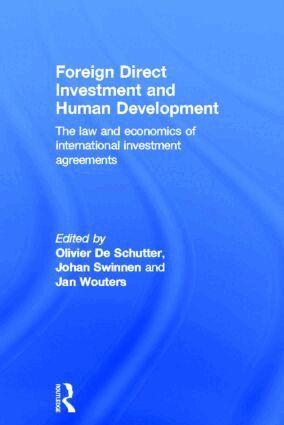
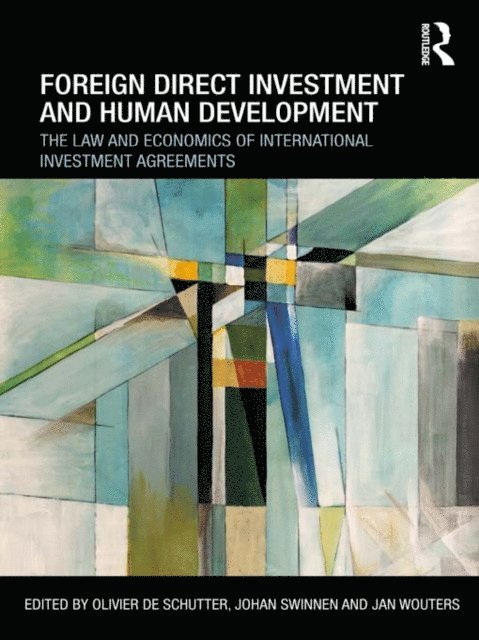
This book presents original research that examines the growth of international investment agreements as a means to attract foreign direct investment (FDI) and considers how this affects the ability of capital-importing countries to pursue their development goals. The hope of countries signing such treaties is that foreign capital will accelerate transfers of technologies, create employment, and benefit the local economy through various types of linkages. But do international investment agreements in fact succeed in attracting foreign direct investment? And if so, are the sovereignty costs involved worth paying? In particular, are these costs such that they risk undermining the very purpose of attracting investors, which is to promote human development in the host country? This book uses both economic and legal analysis to answer these questions that have become central to discussions on the impact of economic globalization on human rights and human development. It explains the dangers of developing countries being tempted to ''signal'' their willingness to attract investors by providing far-reaching protections to investors'' rights that would annul, or at least seriously diminish, the benefits they have a right to expect from the arrival of FDI. It examines a variety of tools that could be used, by capital-exporting countries and by capital-importing countries alike, to ensure that FDI works for development, and that international investment agreements contribute to that end.
This uniquely interdisciplinary study, located at the intersection of development economics, international investment law, and international human rights is written in an accessible language, and should attract the attention of anyone who cares about the role of private investment in supporting the efforts of poor countries to climb up the development ladder.
918 kr
Läs direkt efter köp
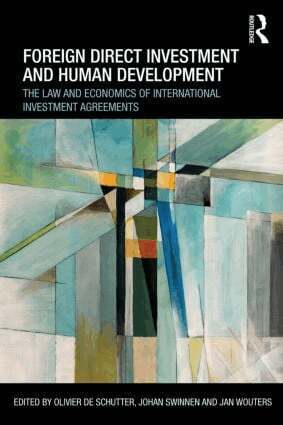
This book presents original research that examines the growth of international investment agreements as a means to attract foreign direct investment (FDI) and considers how this affects the ability of capital-importing countries to pursue their development goals. The hope of countries signing such treaties is that foreign capital will accelerate transfers of technologies, create employment, and benefit the local economy through various types of linkages. But do international investment agreements in fact succeed in attracting foreign direct investment? And if so, are the sovereignty costs involved worth paying? In particular, are these costs such that they risk undermining the very purpose of attracting investors, which is to promote human development in the host country? This book uses both economic and legal analysis to answer these questions that have become central to discussions on the impact of economic globalization on human rights and human development. It explains the dangers of developing countries being tempted to ''signal'' their willingness to attract investors by providing far-reaching protections to investors'' rights that would annul, or at least seriously diminish, the benefits they have a right to expect from the arrival of FDI. It examines a variety of tools that could be used, by capital-exporting countries and by capital-importing countries alike, to ensure that FDI works for development, and that international investment agreements contribute to that end.
This uniquely interdisciplinary study, located at the intersection of development economics, international investment law, and international human rights is written in an accessible language, and should attract the attention of anyone who cares about the role of private investment in supporting the efforts of poor countries to climb up the development ladder.
1 401 kr
Skickas inom 10-15 vardagar
1 896 kr
Läs direkt efter köp
527 kr
Skickas inom 10-15 vardagar
1 508 kr
Skickas inom 10-15 vardagar
652 kr
Läs direkt efter köp
621 kr
Läs direkt efter köp
621 kr
Läs direkt efter köp
1 415 kr
Skickas inom 10-15 vardagar
1 000 kr
Läs direkt efter köp
This title was first published in 2000: This volume analyzes key issues of the process of integrating Central and Eastern European countries with the European Union related to agriculture. The issues include the comparative advantage of CEEC agriculture and its development under various accession policy scenarios; the likely policy developments in both the CEECs and the EU, based on economic, social and political economy considerations; the expected economic impacts and adjustment costs for the agro-food sector under various policy outcomes; the most important constraints for integration including policy convergence issues and internal constraints; and how integration will potentially affect trade and labour flows in the Union. The country combines detailed country-specific and region-wide empirical and theoretical analysis.
1 015 kr
Läs direkt efter köp
This title was first published in 2000: This volume analyzes key issues of the process of integrating Central and Eastern European countries with the European Union related to agriculture. The issues include the comparative advantage of CEEC agriculture and its development under various accession policy scenarios; the likely policy developments in both the CEECs and the EU, based on economic, social and political economy considerations; the expected economic impacts and adjustment costs for the agro-food sector under various policy outcomes; the most important constraints for integration including policy convergence issues and internal constraints; and how integration will potentially affect trade and labour flows in the Union. The country combines detailed country-specific and region-wide empirical and theoretical analysis.