776 kr
Skickas inom 10-15 vardagar
776 kr
Skickas inom 10-15 vardagar
3 911 kr
Skickas inom 10-15 vardagar
868 kr
Läs direkt efter köp
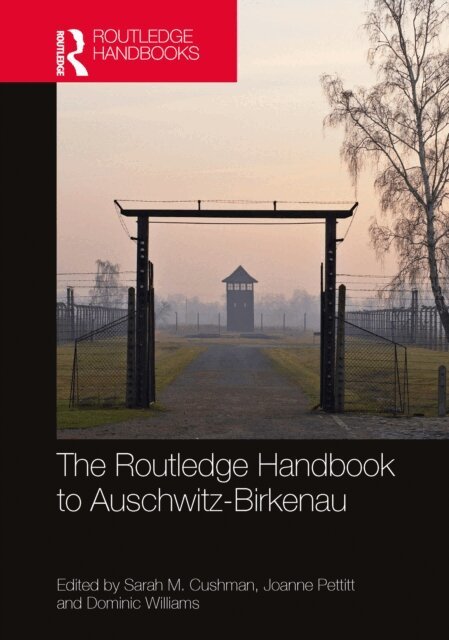
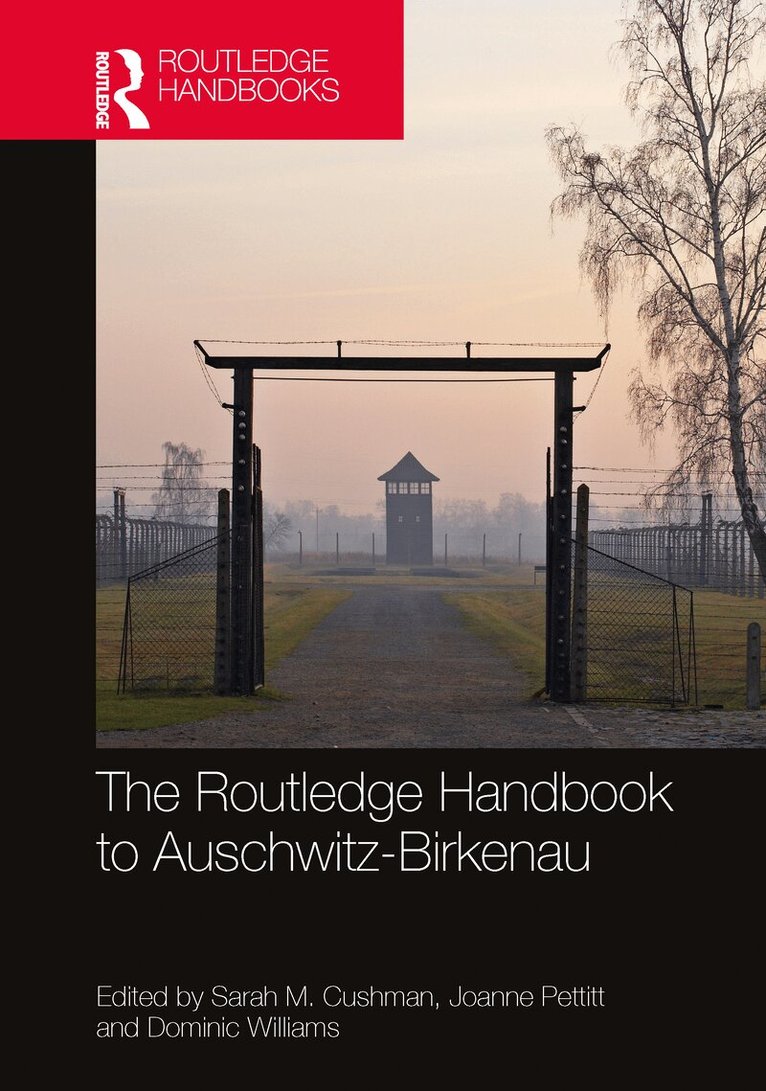
This handbook examines Auschwitz-Birkenau as both a site and a symbol of Nazi genocide. Scholars from a range of disciplinary perspectives consider Auschwitz’s history by engaging with Holocaust historiography and its place in Holocaust memory and representation, illustrating their mutual influence.
The chapters bring new insights to topics that other studies of Auschwitz have explored before, such as the Sonderkommando, the Czech family camp, and literary representations of Auschwitz. Other chapters cover recent developments and more neglected areas, such as the experience and memory of Romani prisoners, the fate of Soviet prisoners of war, and Auschwitz’s presence on social media. The handbook also responds to a number of recent trends and new paradigms in Holocaust Studies, including contributions from the fields of Environmental Studies, Spatial Studies, and Gender Studies.
As a crucial overview of the topic of Auschwitz-Birkenau and an introduction to its most recent and fruitful scholarly approaches, this handbook will be a valuable resource for undergraduates from second year and up, as well as for graduate students and researchers seeking a survey of the field.
874 kr
Läs direkt efter köp
This handbook examines Auschwitz-Birkenau as both a site and a symbol of Nazi genocide. Scholars from a range of disciplinary perspectives consider Auschwitz’s history by engaging with Holocaust historiography and its place in Holocaust memory and representation, illustrating their mutual influence.
The chapters bring new insights to topics that other studies of Auschwitz have explored before, such as the Sonderkommando, the Czech family camp, and literary representations of Auschwitz. Other chapters cover recent developments and more neglected areas, such as the experience and memory of Romani prisoners, the fate of Soviet prisoners of war, and Auschwitz’s presence on social media. The handbook also responds to a number of recent trends and new paradigms in Holocaust Studies, including contributions from the fields of Environmental Studies, Spatial Studies, and Gender Studies.
As a crucial overview of the topic of Auschwitz-Birkenau and an introduction to its most recent and fruitful scholarly approaches, this handbook will be a valuable resource for undergraduates from second year and up, as well as for graduate students and researchers seeking a survey of the field.
2 564 kr
Skickas inom 10-15 vardagar
1 009 kr
Läs direkt efter köp
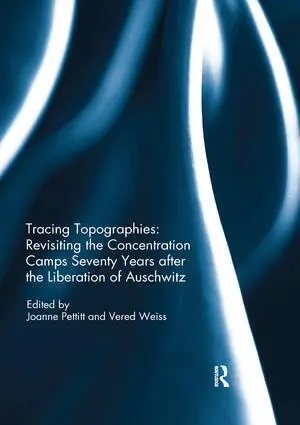
Seventy years on from the liberation of Auschwitz, the contributions collected in this volume each attempt, in various ways and from various perspectives, to trace the relationship between Nazi-occupied spaces and Holocaust memory, considering the multitude of ways in which the passing of time impacts upon, or shapes, cultural constructions of space.
Accordingly, this volume does not consider topographies merely in relation to geographical landscapes but, rather, as markers of allusions and connotations that must be properly eked out. Since space and time are intertwined, if not, in fact, one and the same, an investigation of the spaces – the locations of horror – in relation to the passing of time might provide some manner of comprehension of one of the most troubling moments in human history. It is with this understanding of space, as fluid sites of memory that the contributors of this volume engage: these are the kind of shifting topographies that we are seeking to trace. This book was originally published as a special issue of Holocaust Studies: A Journal of Culture and History.
1 009 kr
Läs direkt efter köp
Seventy years on from the liberation of Auschwitz, the contributions collected in this volume each attempt, in various ways and from various perspectives, to trace the relationship between Nazi-occupied spaces and Holocaust memory, considering the multitude of ways in which the passing of time impacts upon, or shapes, cultural constructions of space.
Accordingly, this volume does not consider topographies merely in relation to geographical landscapes but, rather, as markers of allusions and connotations that must be properly eked out. Since space and time are intertwined, if not, in fact, one and the same, an investigation of the spaces – the locations of horror – in relation to the passing of time might provide some manner of comprehension of one of the most troubling moments in human history. It is with this understanding of space, as fluid sites of memory that the contributors of this volume engage: these are the kind of shifting topographies that we are seeking to trace. This book was originally published as a special issue of Holocaust Studies: A Journal of Culture and History.
1 130 kr
Skickas inom 7-10 vardagar
1 008 kr
Skickas inom 10-15 vardagar
1 330 kr
Läs direkt efter köp
1 019 kr
Skickas inom 10-15 vardagar