1 170 kr
Skickas inom 7-10 vardagar
1 170 kr
Skickas inom 7-10 vardagar
161 kr
Skickas inom 7-10 vardagar
93 kr
Läs direkt efter köp
2 497 kr
Skickas inom 10-15 vardagar
733 kr
Skickas inom 7-10 vardagar
688 kr
Skickas inom 7-10 vardagar
1 813 kr
Skickas inom 7-10 vardagar
1 141 kr
Skickas inom 7-10 vardagar
274 kr
Skickas inom 7-10 vardagar
260 kr
Skickas inom 7-10 vardagar
258 kr
Läs direkt efter köp
274 kr
Skickas inom 3-6 vardagar
721 kr
Skickas inom 10-15 vardagar
675 kr
Läs direkt efter köp
781 kr
Läs direkt efter köp
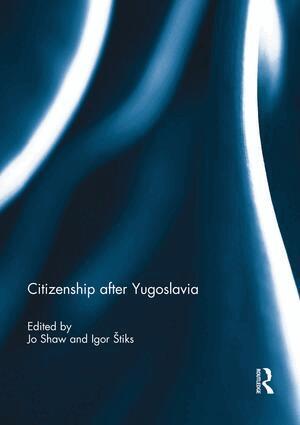
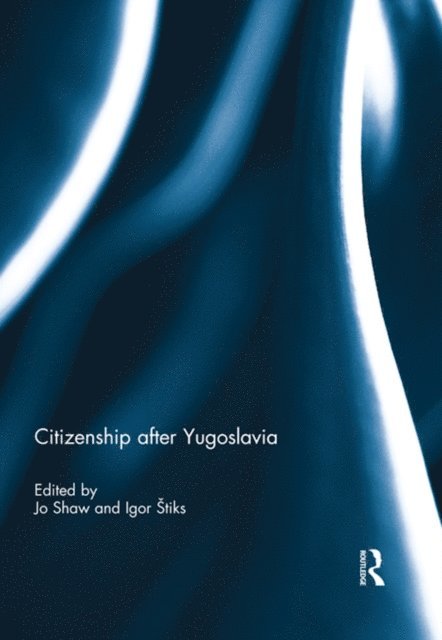
This book is the first comprehensive examination of the citizenship regimes of the new states that emerged out of the break up of Yugoslavia. It covers both the states that emerged out of the initial disintegration across 1991 and 1992 (Slovenia, Croatia, Bosnia-Herzegovina, the Federal Republic of Yugoslavia and Macedonia), as well as those that have been formed recently through subsequent partitions (Serbia, Montenegro and Kosovo). While citizenship has often been used as a tool of ethnic engineering to reinforce the position of the titular majority in many states, in other cases citizenship laws and practices have been liberalised as part of a wider political settlement intended to include minority communities more effectively in the political process. Meanwhile, frequent (re)definitions of these increasingly overlapping regimes still provoke conflicts among post-Yugoslav states.
This volume shows how important it is for the field of citizenship studies to take into account the main changes in and varieties of citizenship regimes in the post-Yugoslav states, as a particular case of new state citizenship. At the same time, it seeks to show scholars of (post) Yugoslavia and the wider Balkans that the Yugoslav crisis, disintegration and wars as well as the current functioning of the new and old Balkan states, together with the process of their integration into the EU, cannot be fully understood without a deeper understanding of their citizenship regimes.
This book was originally published as a special issue of Citizenship Studies.
764 kr
Läs direkt efter köp
This book is the first comprehensive examination of the citizenship regimes of the new states that emerged out of the break up of Yugoslavia. It covers both the states that emerged out of the initial disintegration across 1991 and 1992 (Slovenia, Croatia, Bosnia-Herzegovina, the Federal Republic of Yugoslavia and Macedonia), as well as those that have been formed recently through subsequent partitions (Serbia, Montenegro and Kosovo). While citizenship has often been used as a tool of ethnic engineering to reinforce the position of the titular majority in many states, in other cases citizenship laws and practices have been liberalised as part of a wider political settlement intended to include minority communities more effectively in the political process. Meanwhile, frequent (re)definitions of these increasingly overlapping regimes still provoke conflicts among post-Yugoslav states.
This volume shows how important it is for the field of citizenship studies to take into account the main changes in and varieties of citizenship regimes in the post-Yugoslav states, as a particular case of new state citizenship. At the same time, it seeks to show scholars of (post) Yugoslavia and the wider Balkans that the Yugoslav crisis, disintegration and wars as well as the current functioning of the new and old Balkan states, together with the process of their integration into the EU, cannot be fully understood without a deeper understanding of their citizenship regimes.
This book was originally published as a special issue of Citizenship Studies.
831 kr
Läs direkt efter köp
831 kr
Läs direkt efter köp
1 175 kr
Skickas
202 kr
Skickas
260 kr
Läs direkt efter köp
260 kr
Läs direkt efter köp
6 915 kr
Skickas inom 7-10 vardagar
1 172 kr
Skickas inom 7-10 vardagar
395 kr
Skickas inom 7-10 vardagar
5 568 kr
Skickas inom 7-10 vardagar
200 kr
Skickas inom 3-6 vardagar
269 kr
Skickas inom 7-10 vardagar