When it comes to any current scientific debate, there are more than two sides to every story. Controversies in Science and Technology, Volume 4 analyzes controversial topics in science and technology-infrastructure, ecosystem management, food security, and plastics and health-from multiple points of view. The editors have compiled thought-provoking essays from a variety of experts from academia and beyond, creating a volume that addresses many of the issues surrounding these scientific debates.Part I of the volume discusses infrastructure, and the real meaning behind the term in today's society. Essays address the central issues that motivate current discussion about infrastructure, including writing on the vulnerability to disasters. Part II, titled "Food Policy," will focus on the challenges of feeding an ever-growing world and the costs of not doing so. Part III features essays on chemicals and environmental health, and works to define "safety" as it relates to today's scientific community. The book's final section examines ecosystem management. In the end, Kleinman, Cloud-Hansen, and Handelsman provide a multifaceted volume that will be appropriate for anyone hoping to understand arguments surrounding several of today's most important scientific controversies
When it comes to any current scientific debate, there are more than two sides to every story. Controversies in Science and Technology, Volume 4 analyzes controversial topics in science and technology-infrastructure, ecosystem management, food security, and plastics and health-from multiple points of view. The editors have compiled thought-provoking essays from a variety of experts from academia and beyond, creating a volume that addresses many of the issues surrounding these scientific debates.Part I of the volume discusses infrastructure, and the real meaning behind the term in today''s society. Essays address the central issues that motivate current discussion about infrastructure, including writing on the vulnerability to disasters. Part II, titled "Food Policy," will focus on the challenges of feeding an ever-growing world and the costs of not doing so. Part III features essays on chemicals and environmental health, and works to define "safety" as it relates to today''s scientific community. The book''s final section examines ecosystem management. In the end, Kleinman, Cloud-Hansen, and Handelsman provide a multifaceted volume that will be appropriate for anyone hoping to understand arguments surrounding several of today''s most important scientific controversies.
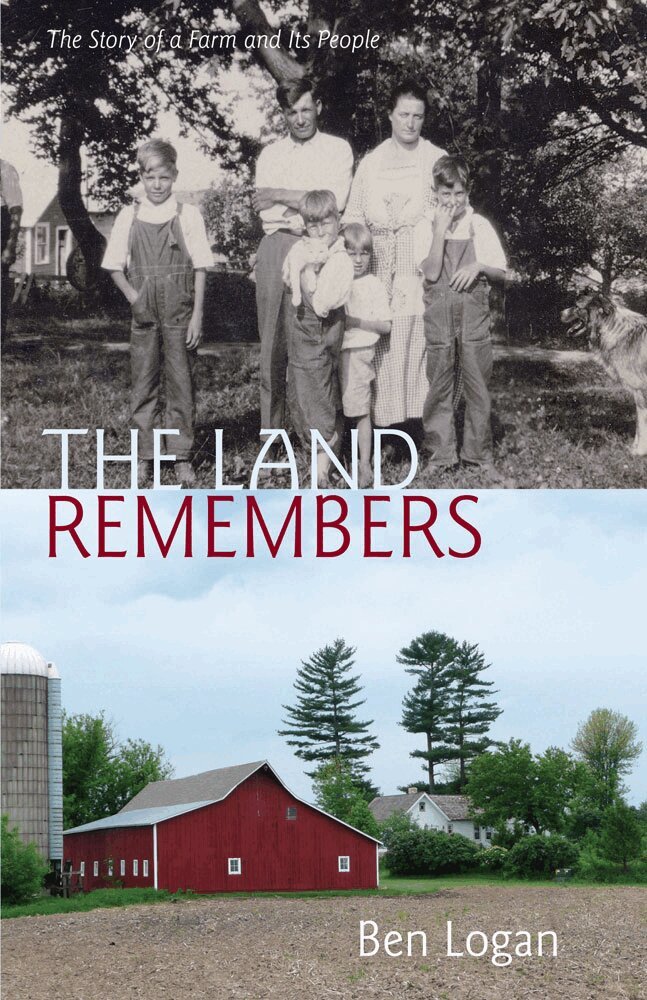
This beloved American memoir is about a farm and its people, recollections of a boyhood in Wisconsin’s Driftless region. Ben Logan grew up on Seldom Seen Farm with his three brothers, father, mother, and hired hand Lyle. The boys discussed and argued and joked over the events around their farm, marked the seasons by the demands of the land, and tested each other and themselves.
A celebrated biologist’s manifesto addressing a soil loss crisis accelerated by poor conservation practices and climate change “Jo Handelsman is a national treasure, and her clarion call warning of a looming soil-loss catastrophe must be heard. Add her clearly written alarm to other future-shocks: climate change, pandemics, and mass extinctions.”—Laurie Garrett, Pulitzer Prize winner and author of The Coming Plague: Newly Emerging Diseases in a World out of Balance “The ground beneath our feet is slipping away as we lose the precious soil that sustains us. Jo Handelsman’s writing—as rich and life supporting as the soil itself—is a riveting warning.”—Alan Alda, actor, writer, and host of the podcast Clear+Vivid with Alan Alda This book by celebrated biologist Jo Handelsman lays bare the complex connections among climate change, soil erosion, food and water security, and drug discovery. Humans depend on soil for 95 percent of global food production, yet let it erode at unsustainable rates. In the United States, China, and India, vast tracts of farmland will be barren of topsoil within this century. The combination of intensifying erosion caused by climate change and the increasing food needs of a growing world population is creating a desperate need for solutions to this crisis. Writing for a nonspecialist audience, Jo Handelsman celebrates the capacities of soil and explores the soil-related challenges of the near future. She begins by telling soil’s origin story, explains how it erodes and the subsequent repercussions worldwide, and offers solutions. She considers lessons learned from indigenous people who have sustainably farmed the same land for thousands of years, practices developed for large-scale agriculture, and proposals using technology and policy initiatives.
Written for general readers, teachers, journalists, and policymakers, this volume explores four controversial topics in science and technology, with commentaries from scientists and experts in such fields as sociology, religion, law, ethics, and politics: Antibiotics on the Farm and in Our Food; Genetically Modified Crops and Gene Flow: the science of genetic modification, genetic diversity, agricultural biotech and the environment, corporate patents and farmers' rights; Women, Hormone Replacement Theory, and Menopause: the history of hormone replacement therapy, the medicalization of menopause, clinical practice; Smallpox, Bioterrorism, and Public Health: historical and medical overview of smallpox, the Emergency Health Powers Act, the war on bioterrorism, public resistance vs. cooperation.