1 030 kr
Skickas inom 7-10 vardagar
1 030 kr
Skickas inom 7-10 vardagar
1 266 kr
Läs direkt efter köp
1 176 kr
Skickas inom 7-10 vardagar
1 275 kr
Läs direkt efter köp
1 032 kr
Läs direkt efter köp
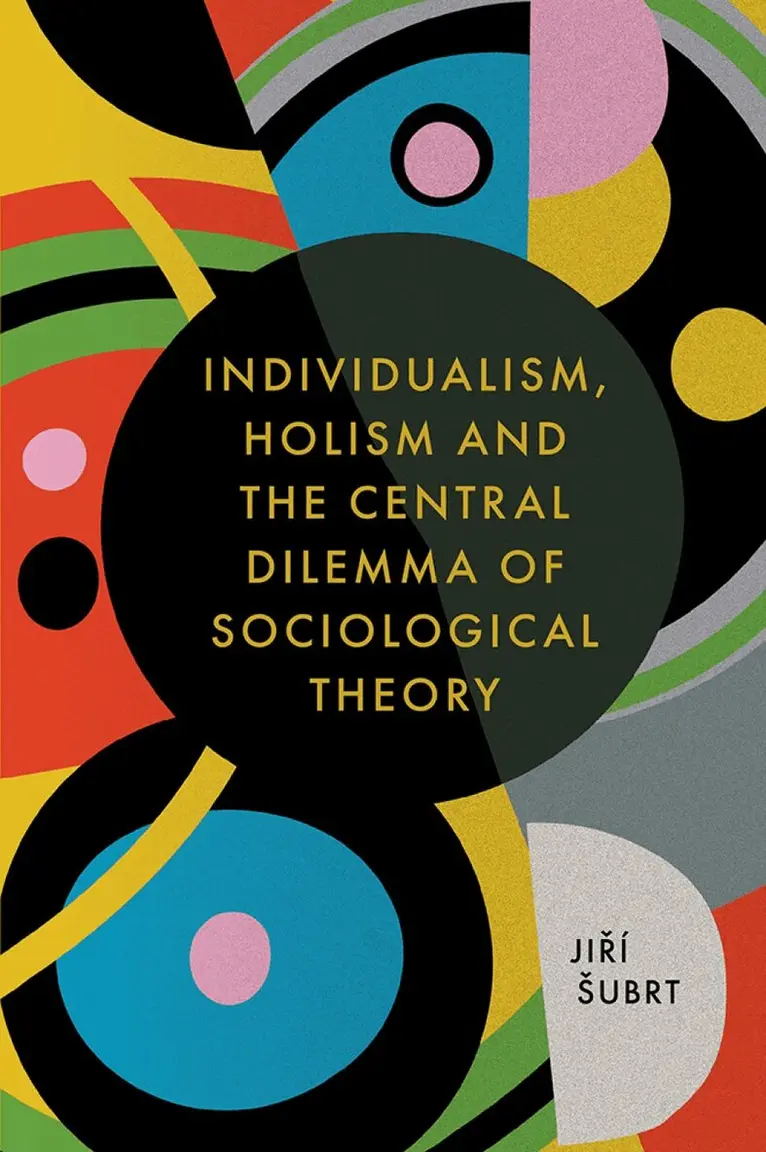
Individualism and holism, the concepts embedded in the title of this book, represent two key theoretical perspectives that have for many decades steered and shaped sociological thought. For over a century these two interpretative perspectives have also divided sociological theory into two camps, accompanied by a band of scholars trying to bridge this dualism.
According to American sociologist Jeffrey C. Alexander, individualist theories derive their appeal and strength from their underlying assumption that humans make decisions as individual, free, autonomous, and rationally and morally consistent beings. A related belief is that they are able to express these qualities in their actions regardless of the situation in society or what economic or moral conditions prevail.
Holistic, or collectivist, theories, unlike individualism, assign primacy to social entities. This perspective is important because it creates the basic precondition through which entities can become the subject of deliberate sociological analysis. However, there is a price for fulfilling this precondition. The emphasis it places on the collective, and on larger entities, logically means that the individual will and free human decision-making tends to be lost from the field of view.
This book argues that these two perspectives, individualist and holistic, form the central dilemma of sociological thought. It provides an extensive review and critique of contemporary sociological approaches to this antinomy and examines attempts that have been made to overcome it and unite them. Moreover, the book proposes a new approach to solving this dilemma via the concept of ''critical reconfigurationism'', arguing that the resolution of this dilemma is vital not just for sociological theory but also for empirical social research.
960 kr
Skickas inom 7-10 vardagar
1 039 kr
Läs direkt efter köp
Individualism and holism, the concepts embedded in the title of this book, represent two key theoretical perspectives that have for many decades steered and shaped sociological thought. For over a century these two interpretative perspectives have also divided sociological theory into two camps, accompanied by a band of scholars trying to bridge this dualism.
According to American sociologist Jeffrey C. Alexander, individualist theories derive their appeal and strength from their underlying assumption that humans make decisions as individual, free, autonomous, and rationally and morally consistent beings. A related belief is that they are able to express these qualities in their actions regardless of the situation in society or what economic or moral conditions prevail.
Holistic, or collectivist, theories, unlike individualism, assign primacy to social entities. This perspective is important because it creates the basic precondition through which entities can become the subject of deliberate sociological analysis. However, there is a price for fulfilling this precondition. The emphasis it places on the collective, and on larger entities, logically means that the individual will and free human decision-making tends to be lost from the field of view.
This book argues that these two perspectives, individualist and holistic, form the central dilemma of sociological thought. It provides an extensive review and critique of contemporary sociological approaches to this antinomy and examines attempts that have been made to overcome it and unite them. Moreover, the book proposes a new approach to solving this dilemma via the concept of ''critical reconfigurationism'', arguing that the resolution of this dilemma is vital not just for sociological theory but also for empirical social research.
1 138 kr
Läs direkt efter köp
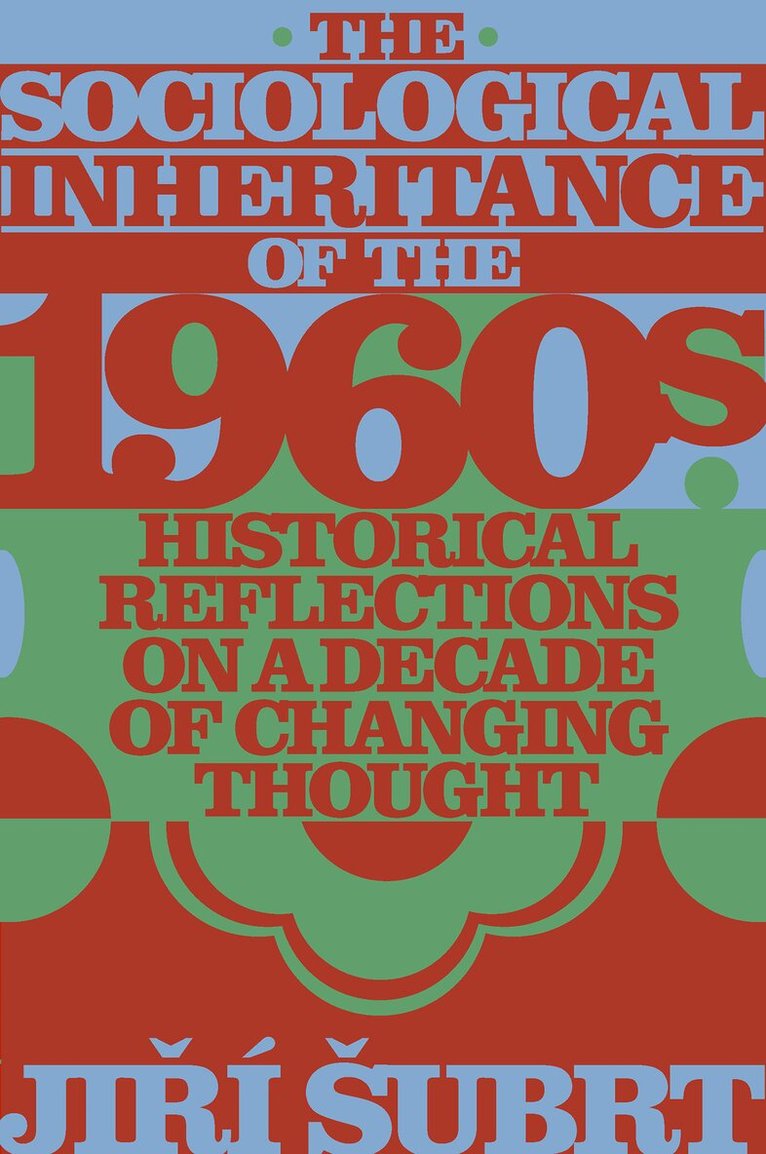
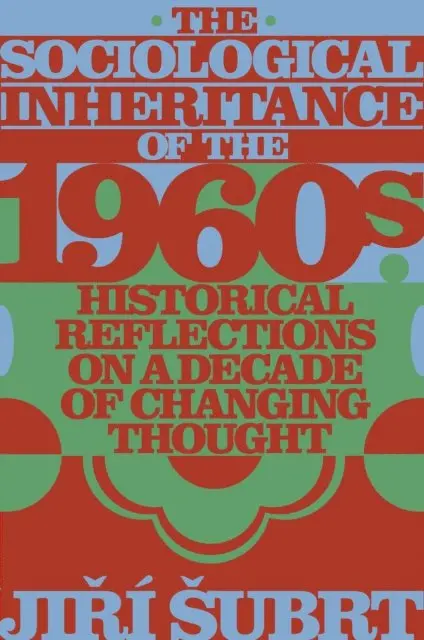
The 1960s saw pioneering changes in the realms of international politics, science, culture and art. Turning this historical lens onto the study of sociology, The Sociological Inheritance of the 1960s reveals both the continuities and the departures the field has seen in its core principles and approaches over the past several decades.
Beginning with an overview of society in the ‘60s, Jiří Šubrt provides an important reflection on a period worthy of contemporary reflection. In this context, what new concepts emerged? What were the popular methodological approaches? What controversies and debates emerged? How did sociology form part of a wider landscape of creative explosion throughout the decade? What implications does this have for contemporary sociology?
Inspiring an enriched understanding of a legacy still deeply relevant to current issues and concerns across the field, The Sociological Inheritance of the 1960s proves that, despite the half a century that has since passed, we still have much to learn from this rich period of sociological development.
1 058 kr
Skickas inom 7-10 vardagar
1 146 kr
Läs direkt efter köp
The 1960s saw pioneering changes in the realms of international politics, science, culture and art. Turning this historical lens onto the study of sociology, The Sociological Inheritance of the 1960s reveals both the continuities and the departures the field has seen in its core principles and approaches over the past several decades.
Beginning with an overview of society in the ‘60s, Jiří Šubrt provides an important reflection on a period worthy of contemporary reflection. In this context, what new concepts emerged? What were the popular methodological approaches? What controversies and debates emerged? How did sociology form part of a wider landscape of creative explosion throughout the decade? What implications does this have for contemporary sociology?
Inspiring an enriched understanding of a legacy still deeply relevant to current issues and concerns across the field, The Sociological Inheritance of the 1960s proves that, despite the half a century that has since passed, we still have much to learn from this rich period of sociological development.
1 108 kr
Läs direkt efter köp
1 115 kr
Läs direkt efter köp
982 kr
Skickas inom 10-15 vardagar
1 268 kr
Läs direkt efter köp
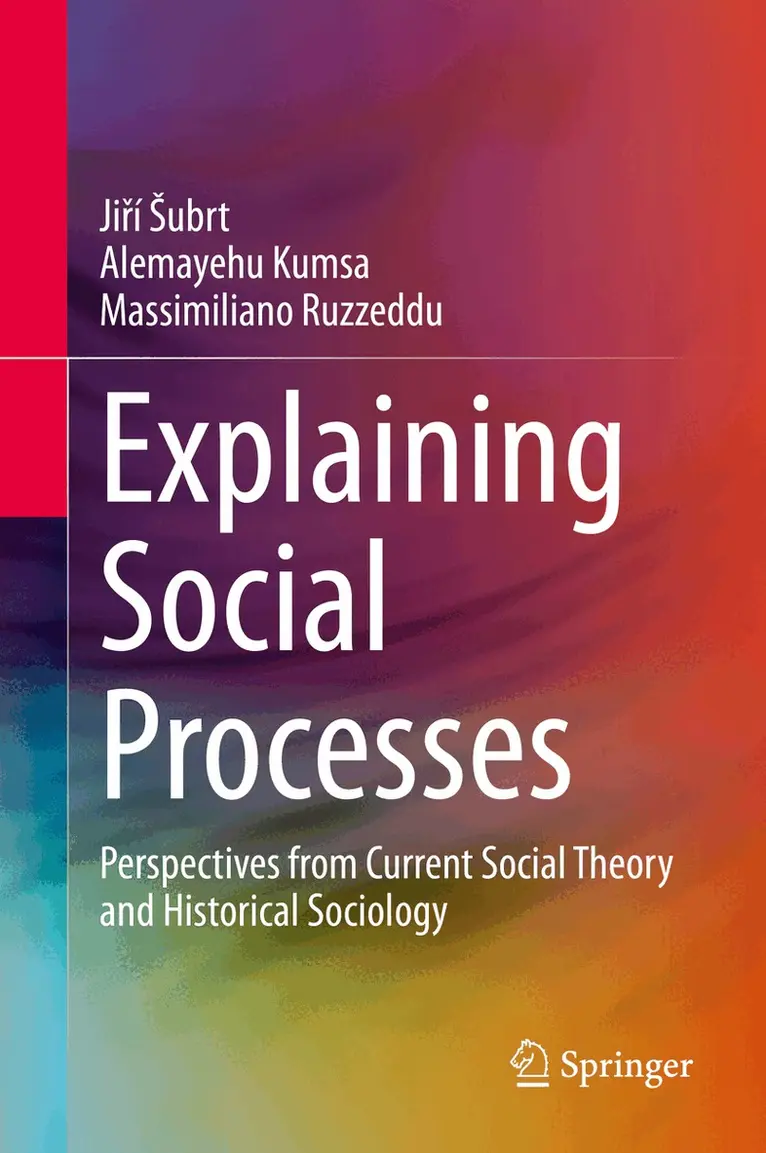
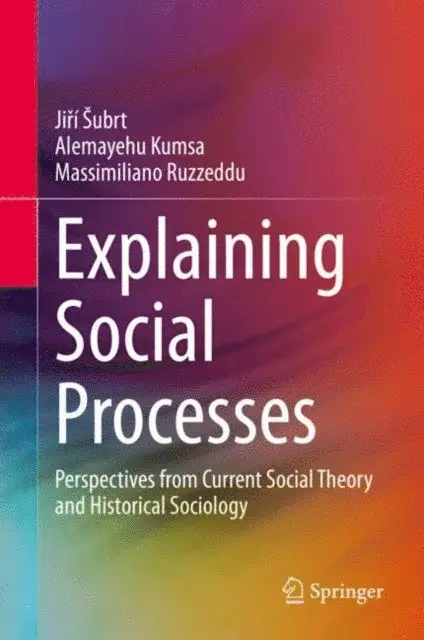
This textbook considers understanding social processes to be the main task of sociology. From this perspective its authors demonstrate and explain problems which they consider to be crucial for contemporary social science. These are topics of a theoretical and epistemological nature, which are nevertheless closely connected with social development and issues arising from it. The book moves from the more general theoretical questions and dilemmas raised by key social thinkers, such as those connected with the concepts of actor, agency, institutions, structures and systems. It then leads to theoretical reflections on long-term developmental processes associated with the phenomena of power and life in current societies, including globalization, identities, migration, etc. It provides a comprehensive approach to the essential questions of sociology. Lucidly written and including the latest sociological perspectives, this book will find wide appeal among social science students and researchers, and is also for the socially aware general reader.
1 239 kr
Skickas inom 10-15 vardagar
1 634 kr
Läs direkt efter köp
1 239 kr
Skickas inom 10-15 vardagar
1 421 kr
Skickas inom 10-15 vardagar
1 785 kr
Läs direkt efter köp
1 825 kr
Läs direkt efter köp
Der Band widmet sich dem Kulturraum ‚Mitteleuropa‘. Das Thema wird nicht als geopolitisches Problem abgehandelt, sondern fokussiert werden politische, soziale und kulturelle Konzepte der Geschichte, der personalen, nationalen und (mittel)europäischen Identität, wie sie von Politikern, Soziologen, Philosophen, Schriftstellern und Literaturwissenschaftlern im 20. und 21. Jahrhundert diskutiert werden. Mitteleuropa wird gekennzeichnet durch Konflikte, kulturelle Interaktionen, die Mischung von Kulturen sowie unterschiedliche Traditionen, religiöse Orientierungen, nationale Interessen, Ideologien und Ideen. Das führte zwar zu zahlreichen Kontroversen, Spannungen und Konflikten, schuf aber auch ein auf seine Weise einzigartiges intellektuell und kulturell inspirierendes Umfeld. Kulturelle Vielfalt (Sprache, Religion, Kunst, Literatur) und ethnische Minderheiten wurden innerhalb der mitteleuropäischen Staaten bis in das frühe 20. Jahrhundert zumindest als existenzberechtigt angesehen. Der Fokus liegt auf Persönlichkeiten, die als „hybrid border crossers" den Kulturraum prägten und weiterhin prägen. Das Ziel des Bandes geht über eine Bestandsaufnahme hinaus und fragt auch nach der Wirkungsgeschichte und den Auswirkungen für die Gegenwart.
1 865 kr
Läs direkt efter köp
Der Band widmet sich dem Kulturraum ‚Mitteleuropa‘. Das Thema wird nicht als geopolitisches Problem abgehandelt, sondern fokussiert werden politische, soziale und kulturelle Konzepte der Geschichte, der personalen, nationalen und (mittel)europäischen Identität, wie sie von Politikern, Soziologen, Philosophen, Schriftstellern und Literaturwissenschaftlern im 20. und 21. Jahrhundert diskutiert werden. Mitteleuropa wird gekennzeichnet durch Konflikte, kulturelle Interaktionen, die Mischung von Kulturen sowie unterschiedliche Traditionen, religiöse Orientierungen, nationale Interessen, Ideologien und Ideen. Das führte zwar zu zahlreichen Kontroversen, Spannungen und Konflikten, schuf aber auch ein auf seine Weise einzigartiges intellektuell und kulturell inspirierendes Umfeld. Kulturelle Vielfalt (Sprache, Religion, Kunst, Literatur) und ethnische Minderheiten wurden innerhalb der mitteleuropäischen Staaten bis in das frühe 20. Jahrhundert zumindest als existenzberechtigt angesehen. Der Fokus liegt auf Persönlichkeiten, die als „hybrid border crossers" den Kulturraum prägten und weiterhin prägen. Das Ziel des Bandes geht über eine Bestandsaufnahme hinaus und fragt auch nach der Wirkungsgeschichte und den Auswirkungen für die Gegenwart.
80 kr
Läs direkt efter köp
2 257 kr
Tillfälligt slut